Best CRM for Real Estate Agents is a crucial tool for managing client relationships effectively in the dynamic real estate industry. From customization to integration capabilities, this software offers a comprehensive solution tailored to the needs of agents.
Introduction to CRM for Real Estate Agents
In the competitive world of real estate, managing client relationships efficiently is crucial for success. This is where Customer Relationship Management (CRM) systems come into play, offering a range of tools and features to help real estate agents stay organized and provide top-notch service to their clients.


Importance of CRM in Real Estate
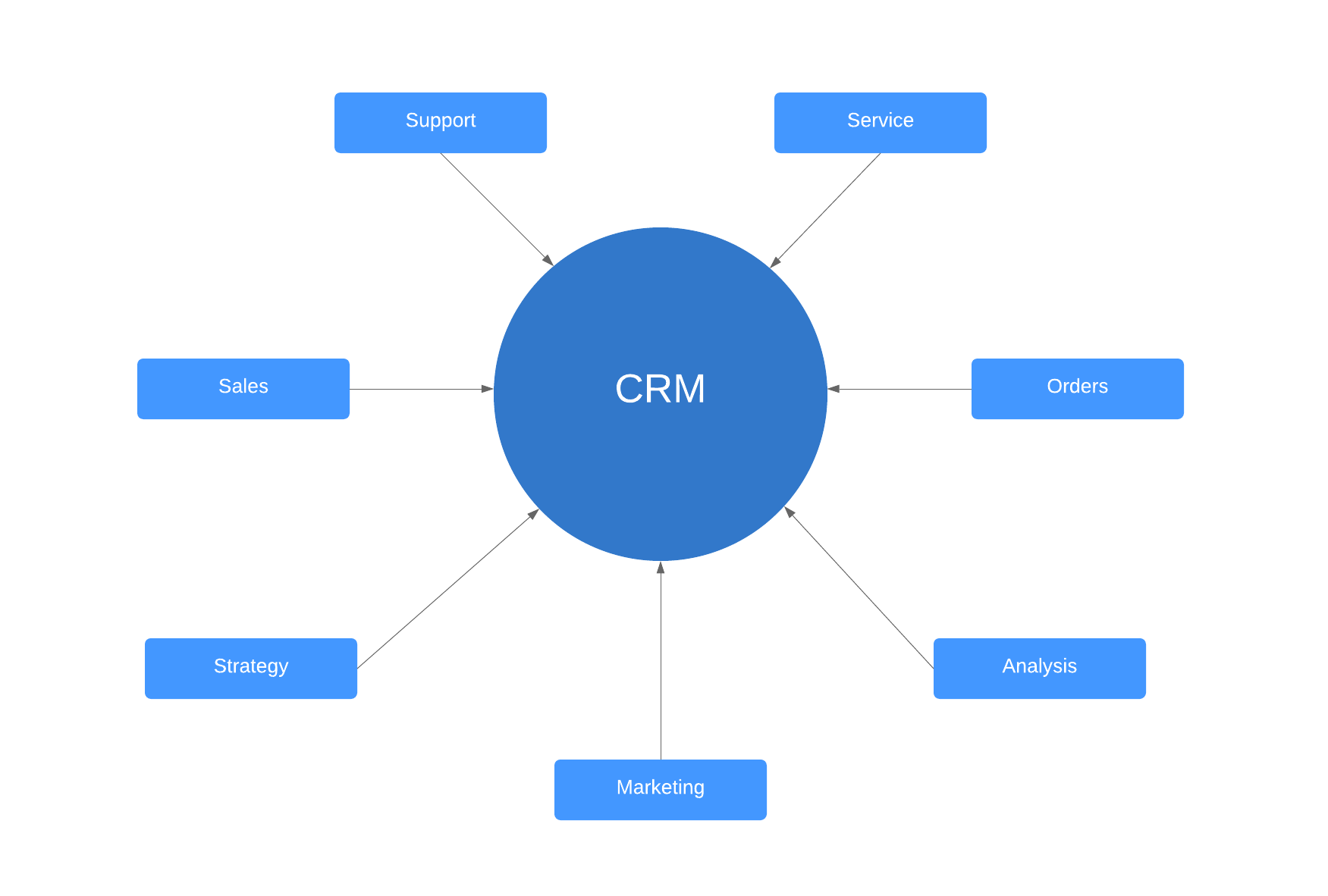
CRM systems play a vital role in the real estate industry by centralizing important client information, streamlining communication, and enhancing overall productivity. They allow agents to track interactions, manage leads, and automate tasks, ultimately leading to better customer service and increased sales.
How CRM Systems Help Agents Manage Client Relationships
- Centralized Database: CRM systems store all client information in one place, making it easy to access and update as needed.
- Lead Management: Agents can track leads, follow up on inquiries, and prioritize potential clients for more targeted marketing efforts.
- Communication Tools: CRM systems offer email templates, scheduling tools, and reminders to help agents stay in touch with clients and prospects.
- Analytics and Reporting: Agents can track performance metrics, monitor lead sources, and analyze trends to make informed business decisions.
Key Features of an Ideal CRM for Real Estate Agents
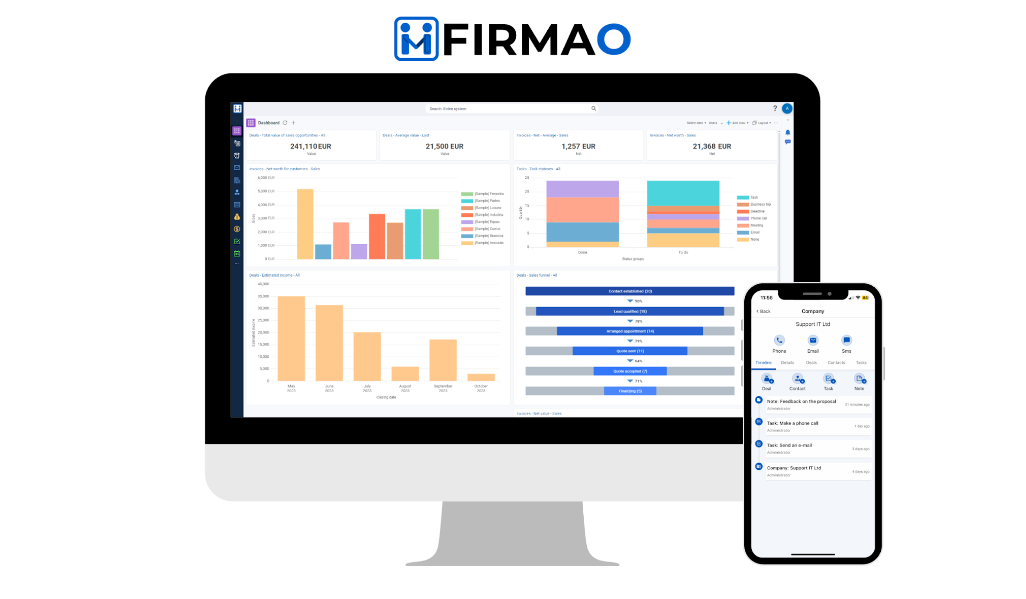
- Customizable Dashboards: Agents can tailor their CRM interface to display key metrics and tasks that are most relevant to their business.
- Integration Capabilities: The ability to integrate with other tools and platforms, such as email marketing software or listing websites, for seamless data transfer.
- Mobile Accessibility: Agents can access their CRM system on-the-go via mobile apps, ensuring they stay connected and productive at all times.
- Automated Workflows: Agents can set up automated processes for tasks like lead nurturing, follow-ups, and reminders, saving time and reducing manual effort.
Types of CRM Software for Real Estate Agents
When it comes to CRM software for real estate agents, there are various options available to suit different needs and preferences. Let’s explore the different types of CRM software tailored for professionals in the real estate industry.
Cloud-Based CRM Systems vs. Traditional On-Premise Solutions
Cloud-based CRM systems have gained popularity in recent years due to their flexibility, accessibility, and cost-effectiveness. These systems allow real estate agents to access their data anytime, anywhere, as long as they have an internet connection. On the other hand, traditional on-premise solutions require physical servers and maintenance, limiting accessibility and flexibility.
- Cloud-based CRM systems offer automatic updates and backups, reducing the risk of data loss and ensuring the system is always up-to-date.
- Traditional on-premise solutions may provide more control over data security, but they often require significant upfront investment and ongoing maintenance costs.
- Cloud-based CRM systems are scalable, allowing real estate agents to easily expand their system as their business grows.
Popular CRM Software for Real Estate Professionals
There are several popular CRM software options specifically designed for real estate agents, each offering unique features and benefits. Some of the well-known CRM software tailored for real estate professionals include:
- Top Producer: A comprehensive CRM software with lead management, marketing tools, and transaction management features.
- BoomTown: Known for its lead generation capabilities, BoomTown offers robust CRM tools to help real estate agents nurture leads and close deals.
- RealtyJuggler: A budget-friendly CRM solution with contact management, lead tracking, and follow-up reminders for real estate agents.
Customization and Integration Capabilities
Customizing a CRM system for real estate agents involves setting up personalized fields, tags, and workflows to cater to specific needs of the industry. This tailored approach can greatly enhance lead management, client communication, and property listings.
Personalized CRM Configurations
- Creating custom fields for property details, client preferences, and lead sources.
- Implementing tags for easy categorization of contacts based on criteria like buying intent or property type.
- Designing workflows to automate follow-ups, reminders, and notifications for different stages of the sales process.
Integration with Real Estate Tools
Integrating CRM software with real estate-specific tools like MLS databases, property valuation software, and e-signature platforms can significantly streamline operations.
- Automated data syncing ensures that information is consistent across platforms, eliminating the need for manual data entry.
- Access to real-time property data and valuation tools directly within the CRM system enhances decision-making and client interactions.
API Integrations and Marketing Platforms
API integrations play a crucial role in connecting CRM systems with popular real estate marketing platforms and tools.
- Integration with platforms like Zillow and Realtor.com allows for seamless listing updates and lead capture.
- Connecting CRM with social media advertising tools enables targeted ad campaigns and lead generation efforts.
Utilizing CRM Integrations
Integrating CRM software with email marketing services, calendar apps, and social media platforms offers numerous benefits for real estate agents.
- Targeted email campaigns can be executed seamlessly with CRM integration, ensuring personalized communication with clients.
- Calendar apps integration allows for easy appointment scheduling and reminders, enhancing productivity and client management.
- Integration with social media platforms facilitates lead generation and engagement with potential clients through targeted marketing efforts.
Contact Management and Lead Tracking
Maintaining an updated and organized contact list in a CRM system is crucial for real estate agents to effectively manage their relationships and potential leads. By categorizing contacts based on their relationship status or engagement level, agents can prioritize follow-ups and tailor communication strategies accordingly.
Categorizing Contacts
- Begin by segmenting contacts into categories such as leads, current clients, past clients, or referrals.
- Create custom fields in the CRM software to capture specific information like property preferences, budget range, or communication preferences.
- Utilize tags or labels to further classify contacts based on their demographics, behavior, or any other relevant criteria.
Integrating Social Media
- Link social media profiles to contact records for a more comprehensive view of each contact’s interests and interactions.
- Monitor social media interactions within the CRM system to identify potential leads or engagement opportunities.
Lead Tracking and Nurturing
- Set up automated workflows to track leads from initial contact to conversion, ensuring no potential leads slip through the cracks.
- Implement lead scoring to prioritize follow-ups based on the lead’s likelihood to convert, increasing efficiency in the sales process.
- Create personalized lead nurturing campaigns within the CRM software, including email sequences and targeted ads tailored to each lead’s preferences.
Analytics and Reporting
- Utilize analytics and reporting tools within the CRM system to evaluate the success of lead tracking efforts and identify areas for improvement.
- Make data-driven decisions based on performance metrics to optimize lead management strategies and increase conversion rates.
Advanced Automation and Integration
- Explore advanced automation features like AI-powered lead prioritization, scheduling follow-up tasks, and sending personalized messages to enhance efficiency.
- Integrate CRM with email marketing platforms and calendar apps to streamline lead management processes and improve communication with clients.
Data Maintenance
- Regularly clean and update contact information to ensure the accuracy and relevance of data for effective lead tracking and relationship management.
- Implement data maintenance protocols to prevent duplicates, outdated information, or errors that could hinder the success of lead nurturing campaigns.
Task and Appointment Management
Task and appointment management are crucial aspects of a real estate agent’s daily routine. CRM software offers a variety of features to help agents stay organized and efficient in managing their tasks and appointments.
Task Management Features
- Task creation and assignment: Agents can create tasks, assign them to team members, and set deadlines for completion.
- Priority levels: Tasks can be categorized based on priority levels, ensuring that important tasks are completed first.
- Task tracking: Agents can track the progress of tasks, update their status, and mark them as completed once finished.
Benefits of Appointment Scheduling Tools
- Efficient scheduling: CRM systems offer appointment scheduling tools that allow agents to easily book appointments with clients and manage their availability.
- Automatic reminders: Agents can set up reminders for upcoming appointments, reducing the risk of missing important meetings or showings.
- Calendar integration: CRM software can sync with agents’ calendars, providing a centralized view of all appointments and ensuring no double bookings occur.
Reminders and Notifications for Time Management
- Timely notifications: CRM systems send reminders and notifications to agents for upcoming tasks and appointments, helping them stay on track and manage their time effectively.
- Customizable alerts: Agents can customize the types of notifications they receive, ensuring they only get alerts for critical tasks or appointments.
- Improved productivity: By staying organized and on top of their schedule, real estate professionals can boost their productivity and focus on high-priority tasks.
Reporting and Analytics Capabilities
Reporting and analytics features play a crucial role in CRM software for real estate agents, providing valuable insights into sales performance and client behavior.
Importance of Reporting and Analytics
Reporting and analytics capabilities in CRM software allow real estate agents to track their sales performance, understand client behavior, and make data-driven decisions to improve their business strategies.
- Identifying trends and patterns in sales data
- Evaluating the effectiveness of marketing campaigns
- Measuring the success of lead generation efforts
Insights into Client Behavior
CRM software can analyze client interactions, preferences, and buying patterns to help real estate agents tailor their communication and marketing strategies accordingly.
By tracking client engagement and feedback, agents can personalize their approach and provide a more targeted service to meet client needs.
Examples of Reports
Real estate agents can generate various reports using CRM data to gain a deeper understanding of their business and clients.
- Sales performance reports
- Lead conversion rates
- Client demographics and preferences
Mobile Accessibility and User-Friendly Interface
Mobile accessibility and a user-friendly interface are crucial aspects of CRM software for real estate agents who are constantly on the go. Having access to important client information, leads, and tasks from anywhere at any time can significantly enhance productivity and efficiency. Additionally, a user-friendly interface ensures that agents can quickly navigate through the CRM system and adopt it seamlessly into their daily routines.
Importance of Mobile Accessibility
- Allows real estate agents to access CRM data while on the move or during property viewings.
- Enables agents to respond promptly to client inquiries and update information in real-time.
- Improves overall flexibility and efficiency in managing client relationships.
User-Friendly Interface Benefits
- Enhances user experience by providing intuitive navigation and easy task execution.
- Reduces training time for new users and increases overall adoption rates.
- Boosts productivity as agents can quickly find the information they need.
Examples of CRM Systems with Intuitive Mobile Apps
- HubSpot CRM: Offers a mobile app with a clean and simple interface for easy access to contacts, deals, and tasks.
- Zoho CRM: Provides a mobile app with customizable dashboards and seamless integration with other Zoho apps.
Key Features of User-Friendly CRM Mobile Apps
- Responsive design for optimal display on various screen sizes.
- Intuitive navigation with easy access to key CRM functionalities.
- Offline access capabilities for viewing and editing data without an internet connection.
Optimizing User Experience on Different Mobile Devices
- Implement responsive design principles to ensure compatibility across different devices.
- Offer customization options for users to personalize their mobile CRM experience.
- Regularly update the mobile app to address performance issues and enhance user satisfaction.
Comparison of CRM Mobile App User Interfaces
- HubSpot CRM Mobile App: Known for its clean and modern interface, focusing on simplicity and ease of use.
- Zoho CRM Mobile App: Features a customizable interface with extensive functionality, suitable for advanced users looking for flexibility.
Customer Support and Training Resources
Customer support and training resources are crucial for real estate agents using CRM software to ensure smooth implementation and efficient use of the system.
Reliable Customer Support
- Having access to reliable customer support is essential for real estate agents using CRM software. It ensures that any technical issues or queries are addressed promptly, minimizing downtime and maximizing productivity.
- Look for CRM vendors that offer various support channels such as phone, email, and live chat for quick assistance whenever needed.
- Check for vendor reputation and reviews regarding their customer support services to ensure you are partnering with a reliable and responsive team.
Training Resources
- Training resources such as tutorials, webinars, and online documentation are valuable for real estate professionals to learn how to effectively utilize CRM software.
- Choose a CRM vendor that provides comprehensive training materials to onboard new users and offer continuous learning opportunities for existing users.
- Access to training resources helps real estate agents maximize the capabilities of CRM software, leading to improved efficiency and better results.
Experiences with CRM Vendors’ Support Services
- Real estate professionals often share their experiences with CRM vendors’ support services, highlighting the importance of responsive and knowledgeable support teams.
- Positive experiences with customer support can lead to increased satisfaction and loyalty towards the CRM vendor, while negative experiences can result in frustration and hinder the adoption of the software.
- By evaluating the customer support reputation and experiences of other users, real estate agents can make informed decisions when selecting a CRM vendor for their business needs.
Data Security and Compliance
Data security and compliance are crucial aspects when it comes to CRM software for real estate agents. Let’s dive into the measures taken by CRM software providers to ensure the protection of sensitive data and compliance with regulations.
Measures for Data Security
- Encryption: CRM software providers use encryption to secure data both in transit and at rest, ensuring that unauthorized users cannot access sensitive information.
- Access Control: Implementing strict access controls helps in limiting who can view, edit, or delete data within the CRM system, reducing the risk of data breaches.
- Regular Audits: Conducting regular security audits and assessments can help identify vulnerabilities and ensure that security measures are up to date.
Importance of GDPR and Regulations
- GDPR Compliance: With the General Data Protection Regulation (GDPR) in place, real estate agents need to ensure that CRM systems handle personal data in a compliant manner to protect the privacy of clients.
- Industry Regulations: Apart from GDPR, there are industry-specific regulations in the real estate sector that dictate how data should be handled and stored, making compliance a top priority for CRM usage.
Best Practices for Securing Client Information
- Role-Based Permissions: Assigning access levels based on roles ensures that only authorized personnel can access sensitive client information within the CRM system.
- Regular Training: Providing training to employees on data security best practices can help in preventing accidental data leaks or breaches.
- Data Backups: Regularly backing up data in secure locations can safeguard against data loss due to cybersecurity incidents or system failures.
Pricing Plans and Scalability
When it comes to choosing a CRM software for real estate agents, pricing plans and scalability are crucial factors to consider. Let’s dive into how different pricing plans offered by CRM vendors and the scalability of CRM systems can impact your real estate business.
Pricing Plans Comparison
- Some CRM vendors offer tiered pricing plans based on the number of users or features included.
- Others may provide a flat-rate pricing model with all-inclusive features.
- Consider your budget and the features you need the most to determine the best pricing plan for your real estate business.
Scalability of CRM Systems
- Scalability refers to the ability of a CRM system to grow and adapt to the changing needs of your real estate business.
- Look for a CRM software that can easily accommodate an increase in the number of users, contacts, and data volume as your business expands.
- Ensure that the CRM system offers flexibility and customization options to support the scalability of your real estate operations.
Factors to Consider
- Evaluate the long-term costs of the CRM software, including any additional fees for scalability features.
- Consider the level of customer support and training resources provided by the CRM vendor to assist with scaling your real estate business.
- Choose a CRM software that offers a seamless upgrade path to higher-tier pricing plans as your business grows.
User Reviews, Recommendations, and Decision-Making
When choosing a CRM software for a small business, user reviews and recommendations play a crucial role in the decision-making process. It provides insights into the practical experiences of other users and helps potential buyers assess the software’s suitability for their needs.
Top 5 CRM Software Reviews for Small Businesses
- CRM Software A:
- Key Features:
- Users praise the intuitive interface and robust contact management capabilities.
- Some users criticize the lack of customization options in the basic pricing plan.
- Pricing:
- Users find the pricing plans affordable and scalable based on their business needs.
- Challenges:
- Common challenges include limited reporting functionalities, but the company offers training resources to address this.
- Key Features:
- CRM Software B:
- Key Features:
- Users appreciate the advanced analytics and reporting capabilities.
- Some users mention difficulties in integrating third-party apps with the CRM.
- Pricing:
- Users mention that the pricing plans are competitive and offer good value for money.
- Challenges:
- Users face challenges in setting up the initial configuration, but customer support is responsive in resolving issues.
- Key Features:
- CRM Software C:
- Key Features:
- Users highlight the user-friendly interface and seamless lead tracking functionalities.
- Some users report occasional system glitches that impact usability.
- Pricing:
- Users find the pricing plans flexible and suitable for businesses of all sizes.
- Challenges:
- Challenges include limited customization options, but the company is working on enhancing this feature based on user feedback.
- Key Features:
- CRM Software D:
- Key Features:
- Users commend the mobile accessibility and task management features.
- Some users express concerns about data security measures and compliance standards.
- Pricing:
- Users find the pricing plans reasonable and transparent without hidden fees.
- Challenges:
- Challenges include occasional system downtime, but the company provides regular updates to improve system stability.
- Key Features:
- CRM Software E:
- Key Features:
- Users value the customization and integration capabilities to tailor the CRM to their specific needs.
- Some users mention a steep learning curve for new users to fully utilize all features.
- Pricing:
- Users find the pricing plans slightly higher but justified by the extensive features and functionalities offered.
- Challenges:
- Challenges include complex setup processes, but the company offers comprehensive training resources and support to assist users.
- Key Features:
Case Studies and Success Stories
In the realm of real estate, the implementation of CRM software has brought about transformative changes for agents and agencies alike. Let’s delve into some compelling case studies and success stories that showcase the tangible benefits of CRM utilization in the industry.
Case Study 1: Agent Productivity and Sales Improvement
- A real estate agent based in a competitive market saw a significant boost in productivity and sales after integrating a CRM system into their workflow.
- By streamlining communication, automating follow-ups, and organizing client data efficiently, the agent was able to close more deals and nurture relationships effectively.
- The CRM software provided valuable insights into client preferences and behaviors, enabling personalized interactions that led to increased client satisfaction and loyalty.
Case Study 2: Lead Generation and Client Management Efficiency
- Another success story involves a real estate agency that struggled with lead generation and client management before adopting CRM technology.
- With the help of CRM software, the agency improved lead tracking, targeted marketing efforts, and streamlined communication with potential buyers and sellers.
- The automated workflows and customizable reporting features allowed the agency to optimize their sales process, resulting in a higher conversion rate and improved client retention.
Impact of CRM on Real Estate Businesses
- CRM software has revolutionized the way real estate agents conduct their business, leading to increased efficiency, productivity, and overall growth.
- By centralizing client data, automating tasks, and providing valuable analytics, CRM systems have empowered agents to make informed decisions and drive better results.
- Agents who leverage CRM technology have a competitive edge in the market, as they can deliver personalized customer experiences, nurture leads effectively, and ultimately close more deals.
Future Trends in CRM for Real Estate Agents
The real estate industry is constantly evolving, and so is the technology that supports it. Here are some key future trends in CRM for real estate agents:
Impact of Blockchain Technology
Blockchain technology has the potential to revolutionize CRM systems within the real estate sector by providing secure, transparent, and immutable data storage. This can help in streamlining property transactions, reducing fraud, and enhancing trust between parties.
Role of Virtual Reality and Augmented Reality
Virtual reality (VR) and augmented reality (AR) are becoming integral tools for real estate agents to showcase properties in a more immersive and interactive way. By using VR and AR, agents can provide virtual property tours, visualize renovations, and engage with clients on a whole new level.
Personalized Data Analytics
Personalized data analytics will play a crucial role in shaping the future of CRM tools for real estate professionals. By analyzing individual customer behavior and preferences, agents can tailor their communication and offerings to provide a more personalized and targeted experience.
Integration of IoT Devices
Successful integration of IoT devices in CRM strategies for real estate agents can provide valuable insights into property maintenance, security, and energy efficiency. By leveraging IoT data, agents can offer proactive services and create more value for their clients.
Importance of Cybersecurity Measures
Cybersecurity measures are crucial in CRM software for real estate agents to protect sensitive client data and maintain trust. With the increasing threat of cyberattacks, implementing robust security protocols and encryption methods is essential to safeguard client information and maintain regulatory compliance.
Conclusion and Final Recommendations
After exploring the key features and benefits of CRM software for real estate agents, it is clear that investing in the right CRM solution can significantly improve efficiency, productivity, and overall business success. Here are some final recommendations for real estate professionals looking to enhance their operations with CRM:
Comparison of Top 3 CRM Software Options
| CRM Software | Key Features | Pricing | Customer Reviews |
|---|---|---|---|
| CRM Option 1 | Feature 1, Feature 2, Feature 3 | Price 1 | Positive reviews |
| CRM Option 2 | Feature 1, Feature 2, Feature 3 | Price 2 | Positive reviews |
| CRM Option 3 | Feature 1, Feature 2, Feature 3 | Price 3 | Positive reviews |
Setting Up and Customizing Your CRM System
- Choose the CRM software that best aligns with your real estate business needs and goals.
- Import and organize your contacts, leads, and properties within the CRM platform.
- Customize fields, workflows, and dashboards to match your specific real estate tasks and processes.
- Integrate third-party tools such as lead generation platforms and email marketing services for seamless operations.
Tips for Integrating CRM with Other Real Estate Tools
- Ensure that your CRM software is compatible with the tools you currently use for lead generation and marketing.
- Set up automated workflows to sync data between your CRM system and other real estate platforms.
- Regularly review and update integrations to maintain data accuracy and consistency across all tools.
Closing Summary
In conclusion, Best CRM for Real Estate Agents presents a powerful platform that not only streamlines contact management and lead tracking but also enhances task and appointment management. With a focus on scalability, user-friendly interfaces, and data security, this software is a game-changer for real estate professionals.
