Affordable CRM Software for Startups is a vital tool for emerging businesses looking to streamline their customer management processes. In this article, we delve into the world of cost-effective CRM solutions tailored to meet the specific needs of startups, exploring key features, benefits, and real-life case studies.
Whether you’re a budding entrepreneur or a seasoned startup owner, understanding how CRM software can revolutionize your business operations is crucial for sustained growth and success in today’s competitive market.
Introduction to Affordable CRM Software for Startups
Customer Relationship Management (CRM) software is a tool that helps businesses manage interactions with current and potential customers. For startups, CRM software is crucial as it allows them to streamline communication, improve customer relationships, and increase sales.
Startups often have limited resources and budget constraints, which is why they need affordable CRM solutions. Investing in affordable CRM software enables startups to access essential features without breaking the bank, helping them compete with larger companies in the market.
Benefits of Using CRM Software for Startups
- Centralized Customer Data: CRM software allows startups to store all customer information in one place, making it easier to track interactions and preferences.
- Improved Communication: By using CRM software, startups can communicate more effectively with customers through personalized messages and targeted marketing campaigns.
- Enhanced Customer Service: CRM software helps startups provide better customer service by resolving issues quickly and efficiently.
- Increased Sales: With CRM software, startups can track leads, manage sales pipelines, and identify opportunities for growth.
Comparison of Affordable CRM Software Options
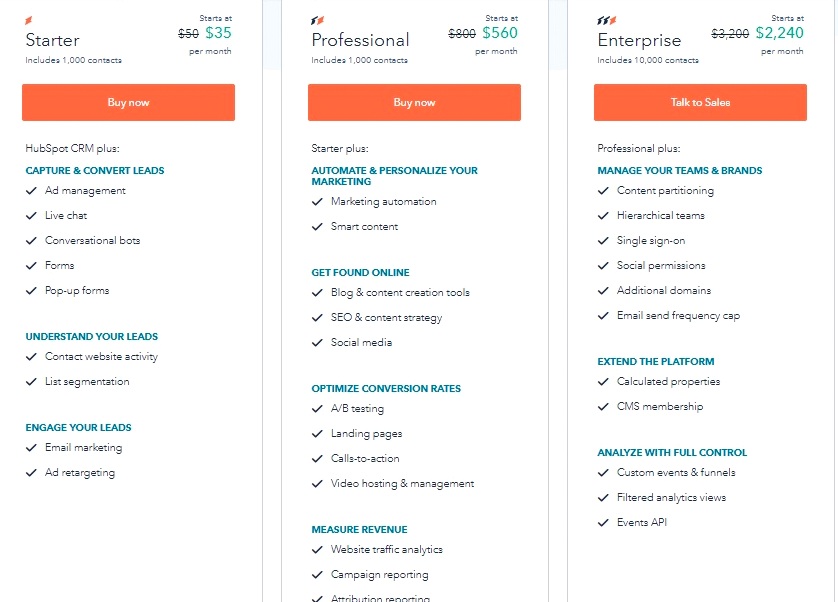
- HubSpot CRM: Offers a free version with basic features, ideal for startups looking to get started with CRM.
- Zoho CRM: Provides affordable plans with customizable options, suitable for startups with specific needs.
- Pipedrive: Known for its user-friendly interface and sales-focused features, perfect for startups focusing on sales growth.
Integrating CRM Software into Startup Operations
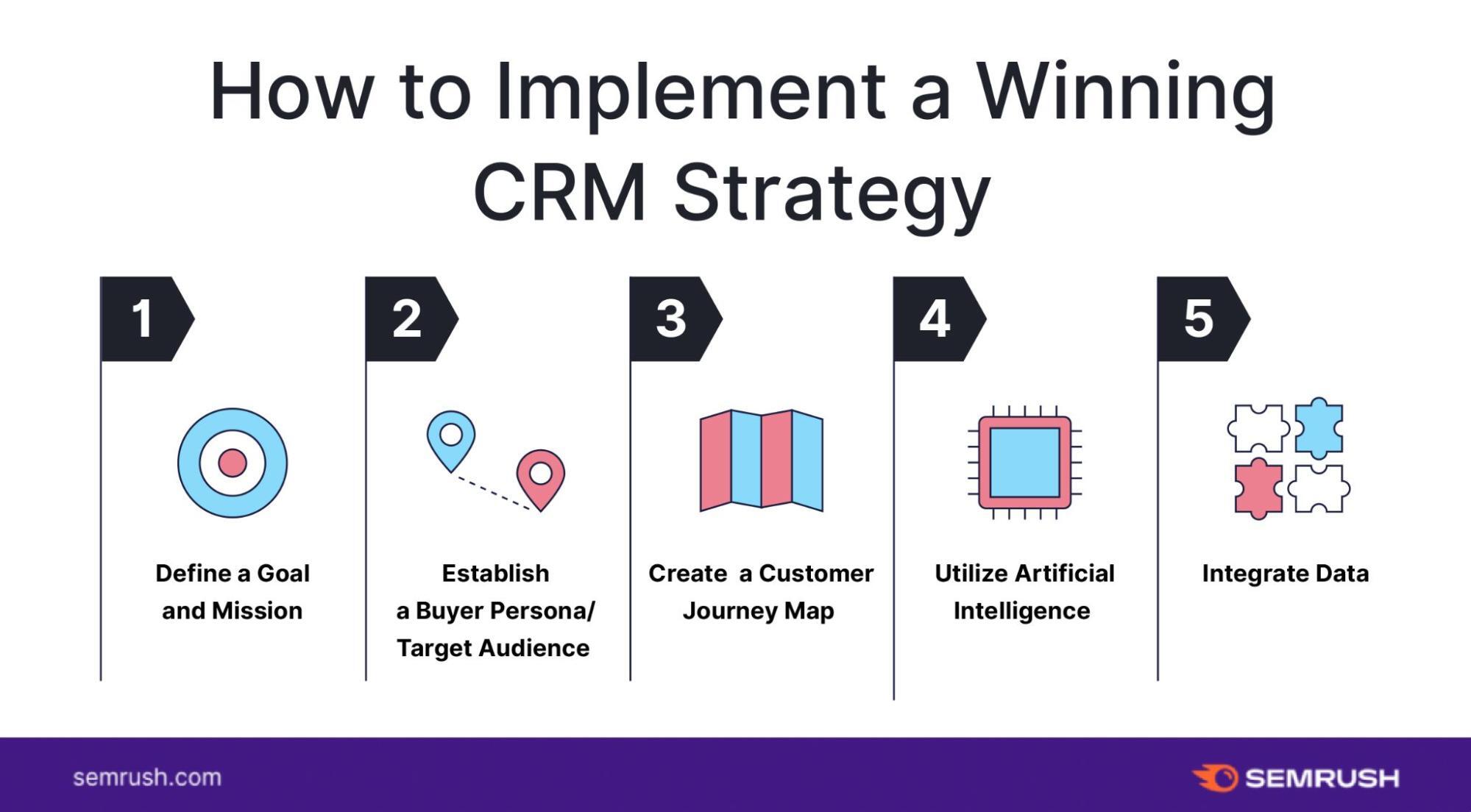
Startups can effectively integrate CRM software by following these steps:
- Identify business goals and customer needs.
- Select the right CRM software based on budget and requirements.
- Train employees on how to use the CRM software effectively.
- Import existing customer data and set up workflows for automation.
- Monitor and analyze key metrics to measure the impact of CRM software on business performance.
Scalability of Affordable CRM Software for Startups
Affordable CRM software options like HubSpot CRM and Zoho CRM offer scalability for startups as they grow. These platforms provide flexible pricing plans and additional features that can accommodate the evolving needs of startups at different stages of growth.
Essential Features of Affordable CRM Software
Startups looking for affordable CRM software should prioritize key features that can help them effectively manage customer relationships and drive business growth. These essential features not only streamline processes but also enhance customer satisfaction and retention.
1. Contact Management
- Centralized database for storing customer information
- Easy access to contact details, communication history, and interactions
- Ability to segment contacts for targeted marketing campaigns
2. Lead Management
- Track lead sources and progress through the sales funnel
- Automate lead assignment and follow-up tasks
- Lead scoring to prioritize high-quality leads
3. Interaction Tracking
- Record all customer interactions across various channels
- Track emails, phone calls, meetings, and social media engagements
- Gain insights into customer preferences and behavior
4. Task and Calendar Integration
- Schedule appointments, follow-ups, and reminders
- Sync tasks with calendars for better time management
- Set alerts for important deadlines and events
5. Reporting and Analytics
- Generate customizable reports on sales performance and customer data
- Monitor key metrics like conversion rates, lead generation, and revenue
- Gain actionable insights for informed decision-making
6. Integration Capabilities
- Seamless integration with other business tools like email marketing platforms and e-commerce systems
- Automate data syncing between CRM and third-party applications
- Enhance workflow efficiency and data accuracy
Cost-Effective CRM Solutions for Startups
In the competitive landscape of startups, having a cost-effective CRM solution can make a significant difference in managing customer relationships effectively without breaking the bank.
Affordable CRM Software Options
When it comes to affordable CRM software options suitable for startups, there are several choices available that offer robust features at a reasonable price point. Some examples include:
- Zoho CRM: Zoho CRM offers a free version for up to three users, making it an attractive option for startups with a limited budget.
- HubSpot CRM: HubSpot CRM provides a free version with essential features, ideal for startups looking to kickstart their customer management efforts.
- Freshsales: Freshsales offers a range of pricing plans, including a free version, making it a versatile choice for startups of different sizes.
- Pipedrive: Pipedrive’s pricing starts at a competitive rate, catering to startups that need a simple yet effective CRM solution.
Pricing Models and Affordability Criteria
Startups often look for CRM solutions with pricing models that align with their budget constraints. Most affordable CRM software options for startups offer subscription-based pricing, allowing flexibility in choosing features based on the budget. Additionally, some providers offer discounts or special packages for startups to make the software more accessible.
Saving Costs with the Right CRM Solution
Choosing the right CRM solution can help startups save costs in various ways. By selecting a CRM software that aligns with the specific needs of the business, startups can avoid paying for unnecessary features. Moreover, investing in a scalable CRM solution ensures that as the startup grows, the software can accommodate the increasing customer base without requiring a costly upgrade. By leveraging the automation and analytics features of a CRM system, startups can optimize their operations and sales processes, ultimately leading to cost savings and improved efficiency.
Customization and Scalability in CRM Software
Customization plays a crucial role in CRM software for startups as it allows them to tailor the system to meet their specific business needs and objectives. By customizing CRM software, startups can enhance customer relationships, streamline processes, and improve overall efficiency.
Tailoring CRM Software for Startups
- Identify Business Requirements: Start by determining the specific goals and needs of your startup to understand what features and functionalities are essential in the CRM software.
- Customize Fields and Workflows: Modify fields, layouts, and workflows in the CRM system to align with your unique business processes and ensure data accuracy.
- Integrate Third-Party Apps: Integrate other tools and applications that your startup uses to create a seamless and efficient workflow within the CRM software.
Benefits of Scalable CRM Solutions
Scalable CRM solutions are vital for startups as they provide the flexibility to grow and adapt as the business expands. These solutions can support business growth by accommodating increasing data volumes, user numbers, and complex operations.
Comparison of Customization Features
- User Interface Customization: Evaluate the ease of customizing the user interface to match your startup’s branding and preferences.
- Automation Capabilities: Look for CRM software that offers automation features to streamline repetitive tasks and improve productivity.
- Reporting and Analytics: Consider the reporting and analytics tools available for tracking performance and gaining insights into customer behavior.
| Key Factors | Considerations |
|---|---|
| Data Storage Limits | Ensure the CRM software can accommodate your startup’s current and future data storage needs. |
| User Access Levels | Set user permissions and access levels to control data security and restrict unauthorized access. |
| Integration Capabilities | Check the CRM software’s ability to integrate with other tools and platforms used by your startup for a seamless workflow. |
Real-life examples showcase how startups like Company X and Startup Y leveraged CRM customization and scalability to personalize customer interactions, optimize processes, and drive business growth.
Integration Capabilities of Affordable CRM Software
Integration capabilities play a crucial role in the effectiveness of CRM software for startups. By seamlessly connecting with other tools and platforms, CRM software can streamline processes, enhance productivity, and provide a more comprehensive view of customer interactions.
Common Integrations for Startups
- Integration with Email Marketing Platforms: CRM software can be integrated with email marketing tools like Mailchimp or Constant Contact to automate email campaigns and track customer engagement.
- Integration with E-commerce Platforms: Connecting CRM software with e-commerce platforms such as Shopify or WooCommerce allows startups to manage customer orders, track sales, and analyze customer behavior.
- Integration with Social Media Platforms: Integrating CRM software with social media platforms like Facebook or Twitter enables startups to monitor social interactions, engage with customers, and track social media campaigns.
Enhanced Effectiveness of CRM through Integrations
Seamless integrations enhance the effectiveness of CRM for startups by providing a consolidated view of customer data across different platforms. This unified view enables startups to personalize customer interactions, improve communication, and make data-driven decisions based on a holistic understanding of their customers.
User-Friendly Interface and Ease of Use
Having a user-friendly interface is crucial for startups utilizing CRM software as it can streamline processes, enhance productivity, and improve user adoption rates. A complex interface can deter users and lead to inefficiencies in managing customer relationships.
Guidelines for Choosing CRM Software with an Intuitive Interface
- Look for software with a clean and organized layout to easily navigate through different modules.
- Ensure the software offers customizable dashboards to prioritize important metrics and tasks.
- Opt for CRM solutions with drag-and-drop functionality for effortless customization.
- Choose software that provides tooltips and in-app guidance to help users learn the system quickly.
Impact of Ease of Use on CRM Adoption and Success
Ease of use directly influences the adoption and success of CRM in startups by reducing the learning curve for employees, increasing user engagement, and improving overall efficiency. A user-friendly interface encourages consistent usage and data input, leading to better insights and decision-making.
Comparison of User Interface in Two Popular CRM Software Options
| CRM Software | User Interface |
|---|---|
| HubSpot CRM | Offers a clean and intuitive interface with easy access to contact information, deals, and tasks. Users can customize their dashboard and easily track interactions. |
| Zoho CRM | Provides a user-friendly interface with a customizable layout, automation features, and a unified view of customer data. Users can easily manage leads, contacts, and accounts. |
Step-by-Step Tutorial on Customizing CRM Interface for Startups
- Login to your CRM software account and navigate to the settings or customization tab.
- Select the modules or fields you want to display on the main dashboard for quick access.
- Determine the layout of the interface by rearranging elements using drag-and-drop functionality.
- Personalize the color scheme and branding to align with your startup’s visual identity.
- Save your changes and test the interface to ensure it meets your specific needs and enhances usability.
Role of User Experience Design in Ensuring Ease of Use in CRM Software
User experience design plays a critical role in ensuring the ease of use in CRM software by focusing on intuitive navigation, clear layouts, interactive elements, and user feedback. By incorporating user-centered design principles, CRM software can provide a seamless and efficient user experience, ultimately driving higher adoption rates and success for startups.
Customer Support and Training Resources
Startups using CRM software rely heavily on customer support and training resources to maximize the benefits of their system.
Reliable Customer Support
- 24/7 availability for immediate assistance.
- Experienced support team to troubleshoot issues effectively.
- Multiple channels for communication (phone, email, chat) for convenience.
Training Resources and Tutorials
- Online tutorials and guides for self-paced learning.
- Webinars and workshops for in-depth training sessions.
- Personalized training sessions for specific needs of the startup.
Tips for Maximizing CRM Benefits
- Regularly engage with customer support for any questions or concerns.
- Utilize training resources to fully understand the capabilities of the CRM software.
- Implement feedback received from customer support to enhance CRM usage.
Data Security and Privacy Considerations
Data security and privacy compliance are crucial considerations for startups utilizing CRM software. Protecting sensitive customer information from unauthorized access or breaches is essential for building trust and maintaining credibility in the market. Affordable CRM solutions play a significant role in addressing these concerns by offering robust security features at a budget-friendly price point.
Importance of Data Security in CRM
- Affordable CRM software often includes encryption protocols to safeguard data during transmission and storage.
- Regular security updates and patches are provided to mitigate vulnerabilities and enhance protection.
- Access controls and permission settings allow startups to define who can view or modify sensitive information within the CRM system.
Best Practices for Data Protection
- Implement strong password policies and multi-factor authentication to prevent unauthorized access.
- Regularly backup CRM data to prevent loss in case of a breach or system failure.
- Train employees on data security best practices and raise awareness about potential threats like phishing attacks.
Role of Encryption in CRM Security
Encryption plays a crucial role in securing customer data within CRM systems by converting information into a coded format that can only be deciphered with the right decryption key. This ensures that even if data is intercepted, it remains unreadable and protected from unauthorized access.
Steps in Case of Data Breach
In the event of a data breach while using CRM software, startups should immediately notify affected parties, investigate the root cause of the breach, and take steps to rectify any vulnerabilities that led to the incident. It is essential to be transparent about the breach and work towards enhancing security measures to prevent future incidents.
Impact of GDPR on CRM Usage
The General Data Protection Regulation (GDPR) and other data protection regulations have had a significant impact on CRM usage in startups, requiring businesses to adhere to strict guidelines on data handling, consent management, and user rights. Compliance with these regulations is essential to avoid hefty fines and maintain customer trust.
Comparison of Data Security Features in CRM Platforms
- Popular CRM platforms offer varying levels of data security features, including encryption, access controls, audit trails, and compliance certifications.
- Startups should compare the security capabilities of different CRM solutions to choose the one that best aligns with their data protection needs and regulatory requirements.
Mobile Accessibility and Remote Work Features
Mobile accessibility and remote work features play a crucial role in enabling startups to manage customer relationships efficiently and effectively, especially in today’s fast-paced business environment. These features provide flexibility and convenience for teams to access and update CRM data from anywhere, at any time.
Significance of Mobile Accessibility for Startups
- Mobile accessibility allows startup teams to access CRM data on-the-go, ensuring real-time updates and quick responses to customer inquiries.
- It enables sales representatives to access customer information during client meetings or while traveling, improving productivity and customer service.
- Mobile CRM apps provide a seamless experience across devices, enhancing user engagement and adoption among team members.
Importance of Remote Work Features in CRM Solutions
- Remote work features in CRM solutions enable distributed teams to collaborate effectively, regardless of their physical location.
- They facilitate seamless communication and data sharing among team members, improving overall productivity and efficiency.
- Remote access to CRM tools ensures that team members can work from anywhere, reducing the need for a physical office space and enabling cost savings for startups.
Benefits of Mobile and Remote Features for Startups
- Improved accessibility and flexibility for team members to manage customer relationships efficiently.
- Enhanced productivity and responsiveness to customer needs through real-time updates and communication.
- Cost savings and operational efficiency by enabling remote work and reducing the need for a centralized office space.
Key Factors for Implementing Mobile Accessibility in CRM Systems
- Ensure compatibility across different mobile devices and operating systems for seamless user experience.
- Focus on data security measures to protect sensitive customer information accessed through mobile devices.
- Provide training and support for team members to effectively use mobile CRM apps and maximize their benefits.
Types of Remote Work Features in CRM Solutions
- Collaboration tools for team communication and project management.
- Remote access to CRM data and tools for seamless workflow and data sharing.
- Integration with other remote work applications for enhanced productivity and efficiency.
Comparison of Mobile Capabilities in Leading CRM Platforms for Small Businesses
- Platform A offers a user-friendly mobile app with offline access and real-time synchronization of data.
- Platform B provides mobile analytics and reporting features for on-the-go decision-making by team members.
- Platform C focuses on customization and scalability of mobile CRM apps to meet the unique needs of startups.
Setting Up Remote Access to CRM Tools for Remote Teams: A Step-by-Step Guide
- Identify the remote work needs of your team members and the specific CRM tools they require access to.
- Choose a secure and reliable remote access solution that aligns with your startup’s data security requirements.
- Train team members on how to access CRM tools remotely and utilize collaboration features effectively.
- Monitor and evaluate the usage of remote access to CRM tools to ensure optimal productivity and performance.
Reporting and Analytics Capabilities
Reporting and analytics capabilities are crucial features in CRM software for startups as they provide valuable insights into customer behavior, preferences, and interactions. By analyzing data collected through CRM systems, startups can make informed business decisions, improve customer relationships, and drive growth.
Importance of Reporting and Analytics
- Reporting and analytics help startups track key performance indicators (KPIs) to measure the effectiveness of their sales, marketing, and customer service efforts.
- By identifying trends and patterns in customer data, startups can personalize their marketing campaigns, tailor products or services to meet customer needs, and enhance overall customer satisfaction.
- Access to real-time data allows startups to respond quickly to changing market conditions, identify opportunities for upselling or cross-selling, and forecast future sales trends.
Leveraging Data Insights for Customer Relationships
- Startups can use CRM analytics to segment customers based on their behavior, preferences, and purchase history, allowing for targeted marketing campaigns and personalized communication.
- By analyzing customer interactions across various touchpoints, startups can anticipate customer needs, resolve issues proactively, and build long-lasting relationships with their customer base.
- Data-driven decision-making enables startups to optimize their sales processes, improve customer retention rates, and ultimately increase revenue and profitability.
Key Metrics to Track Using CRM Analytics
- Sales Performance: Track conversion rates, sales pipeline velocity, and customer acquisition costs to optimize sales strategies and improve revenue generation.
- Customer Engagement: Monitor customer satisfaction scores, engagement levels, and response times to enhance customer experiences and loyalty.
- Marketing Effectiveness: Measure campaign ROI, lead generation quality, and customer acquisition channels to refine marketing campaigns and increase lead conversion rates.
Case Studies and Success Stories
In the world of startups, leveraging affordable CRM software can make a significant impact on business growth and success. Let’s dive into some real-life examples of startups that have reaped the benefits of using CRM solutions to streamline their operations and boost their revenue.
Startup A: From Zero to Hero
- Startup A, a small e-commerce business, implemented an affordable CRM software to manage customer interactions and track sales leads effectively.
- The CRM solution helped Startup A centralize customer data, leading to improved customer engagement and personalized marketing campaigns.
- As a result, Startup A saw a 30% increase in customer retention and a 20% growth in revenue within the first year of CRM implementation.
Startup B: Scaling New Heights
- Startup B, a tech startup, faced challenges in managing a growing customer base and needed a cost-effective CRM solution to streamline their processes.
- By integrating CRM software, Startup B automated lead generation, improved customer service, and optimized sales workflows.
- With the help of CRM, Startup B experienced a 40% increase in sales productivity and expanded its customer base by 50% in just six months.
Key Features for Startup Success
- Customizable workflows and automation tools to streamline processes and save time.
- Integration capabilities with other essential tools like email marketing platforms and social media channels.
- Robust reporting and analytics features for data-driven decision-making and performance tracking.
Choosing the Right CRM Solution
- Consider the scalability and flexibility of the CRM software to accommodate your startup’s growth.
- Look for user-friendly interfaces and ease of customization to adapt to your unique business needs.
- Evaluate customer support options and training resources provided by CRM vendors for seamless implementation.
Maximizing CRM for Long-Term Growth
- Regularly review and analyze CRM data to identify trends, opportunities, and areas for improvement.
- Train your team on best practices for CRM usage and encourage collaboration across departments for a unified customer experience.
- Stay updated on new features and updates from your CRM provider to leverage the latest tools for continued growth and success.
Comparison of Affordable CRM Software Providers
When it comes to choosing a CRM software provider for your startup, it’s essential to compare different options based on features, pricing, and user reviews. By understanding the strengths and weaknesses of each CRM software option, startups can make an informed decision on the best solution for their specific needs.
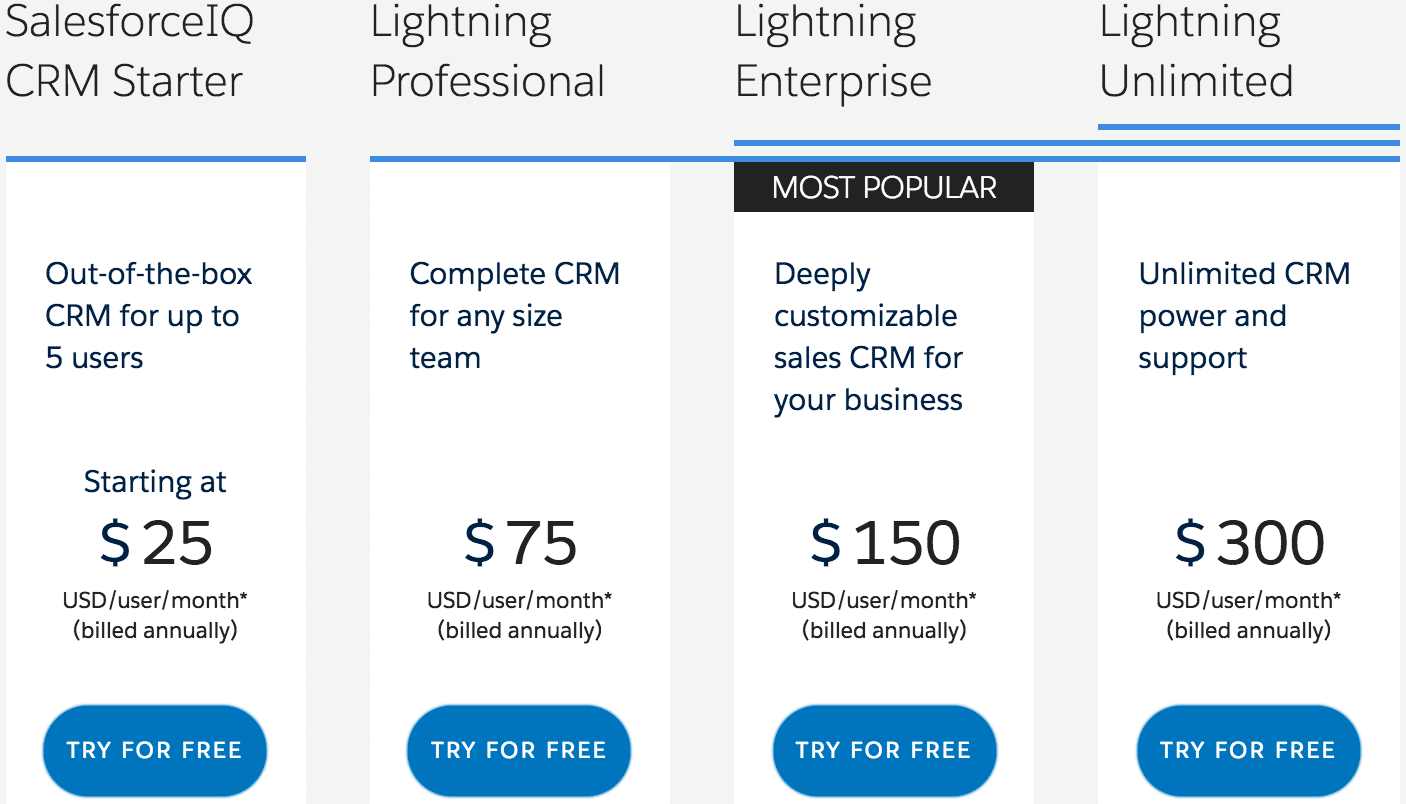
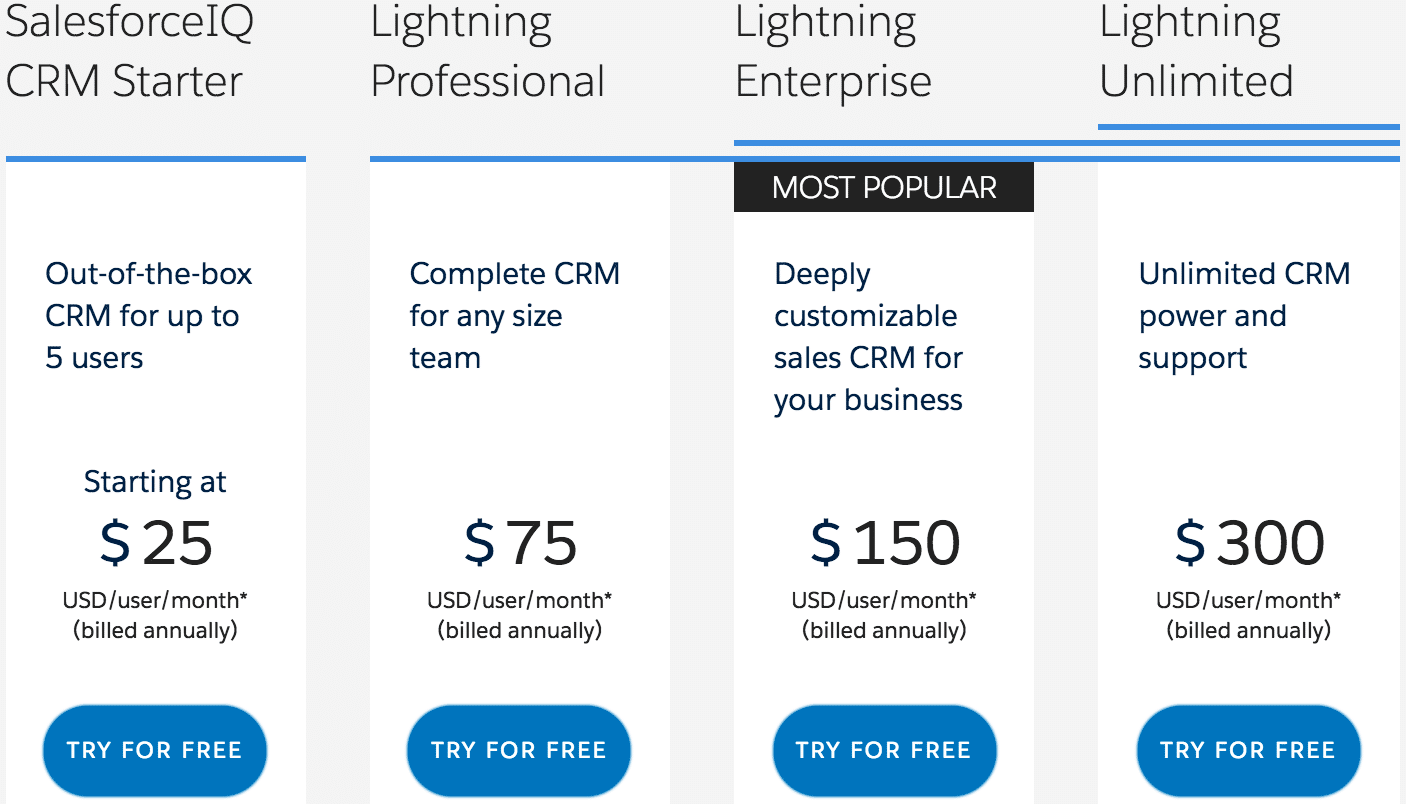
Salesforce Essentials
Salesforce Essentials is a popular choice for startups looking for a scalable CRM solution. With features like contact management, lead tracking, and email integration, Salesforce Essentials offers a robust set of tools to help startups manage their customer relationships effectively. However, pricing can be a bit higher compared to other affordable options, making it a better fit for startups with a slightly larger budget.
HubSpot CRM
HubSpot CRM is another affordable CRM software provider that offers a wide range of features, including contact management, email tracking, and reporting capabilities. One of the key strengths of HubSpot CRM is its user-friendly interface, making it easy for startups to onboard team members quickly. However, some users may find the pricing structure a bit confusing, with additional costs for certain features and add-ons.
Zoho CRM
Zoho CRM is known for its cost-effective pricing and customizable features, making it a great option for startups on a tight budget. With tools for lead management, workflow automation, and social media integration, Zoho CRM provides startups with the essential features they need to grow their business. However, some users may find the learning curve a bit steep, especially when trying to customize the software to fit their specific needs.
Freshsales
Freshsales is a CRM software provider that offers a range of features tailored to startups, including lead scoring, email tracking, and pipeline management. With an intuitive interface and affordable pricing plans, Freshsales is a popular choice for startups looking to streamline their sales processes. However, some users may find the reporting and analytics capabilities of Freshsales to be lacking compared to other CRM software providers.
Pipedrive
Pipedrive is a CRM software provider that focuses on sales pipeline management, making it an ideal choice for startups looking to optimize their sales processes. With features like deal tracking, contact management, and goal setting, Pipedrive helps startups stay organized and focused on closing deals. However, some users may find the pricing of Pipedrive to be slightly higher compared to other affordable CRM options.
Future Trends and Innovations in Affordable CRM Software
In today’s rapidly evolving business landscape, the role of Customer Relationship Management (CRM) software for startups is becoming increasingly crucial. Let’s delve into some of the key trends and innovations shaping the affordable CRM software market for startups.
Role of AI in Enhancing Customer Relationship Management
Artificial Intelligence (AI) is revolutionizing CRM software by enabling startups to analyze customer data, predict trends, and personalize interactions at scale. AI-powered chatbots, predictive analytics, and lead scoring tools are helping startups streamline their customer relationship management processes and drive growth.
Impact of Automation on Streamlining CRM Processes
Automation plays a significant role in simplifying repetitive tasks, such as data entry, email marketing, and lead nurturing, allowing startups to focus on building meaningful customer relationships. By automating workflows and notifications, affordable CRM software solutions help small businesses save time and resources while improving efficiency.
Cost-Effective CRM Software Solutions for Startups
Startups can benefit from cost-effective CRM software solutions that offer essential features like contact management, pipeline tracking, and reporting without breaking the bank. Platforms like Zoho CRM, HubSpot CRM, and Freshsales provide affordable options tailored to the needs of startups, helping them manage customer relationships effectively within budget constraints.
Benefits of Cloud-Based CRM Systems for Scalability
Cloud-based CRM systems offer startups scalability and flexibility to adapt to changing business needs and scale operations without heavy investments in hardware or infrastructure. By leveraging the cloud, startups can access their CRM data anytime, anywhere, and easily integrate with other business applications for seamless operations.
Comparison of Pricing Models of CRM Software
Startup budgets are often limited, making it essential to compare and contrast different pricing models of CRM software to find the most cost-effective solution. From subscription-based pricing to pay-as-you-go models, startups can choose a CRM software provider that aligns with their budget and offers the best value for money in terms of features and scalability.
Importance of Data Security and Privacy Features
Data security and privacy are paramount for startups when selecting a CRM solution to safeguard sensitive customer information and comply with regulations. Affordable CRM software should offer robust security features like encryption, access controls, and regular data backups to ensure data integrity and protect against cyber threats.
Closing Summary
In conclusion, Affordable CRM Software for Startups offers a plethora of advantages, from improved customer relationships to enhanced data security. By embracing the right CRM solution, startups can pave the way for long-term success and profitability in their entrepreneurial journey.
