CRM Software for Small Business: Enhancing Customer Relationships and Streamlining Operations

CRM Software for Small Business sets the stage for this enthralling narrative, offering readers a glimpse into a story that is rich in detail with a focus on improving customer relationships, streamlining operations, and making informed decisions for small businesses.
Small businesses often face unique challenges in managing customer data and optimizing sales and marketing processes. CRM software presents a solution to these challenges by providing tools for automation, data analysis, and integration with other business tools. This article explores the significance of CRM software in empowering small businesses to thrive in a competitive market landscape.
Importance of CRM Software for Small Business
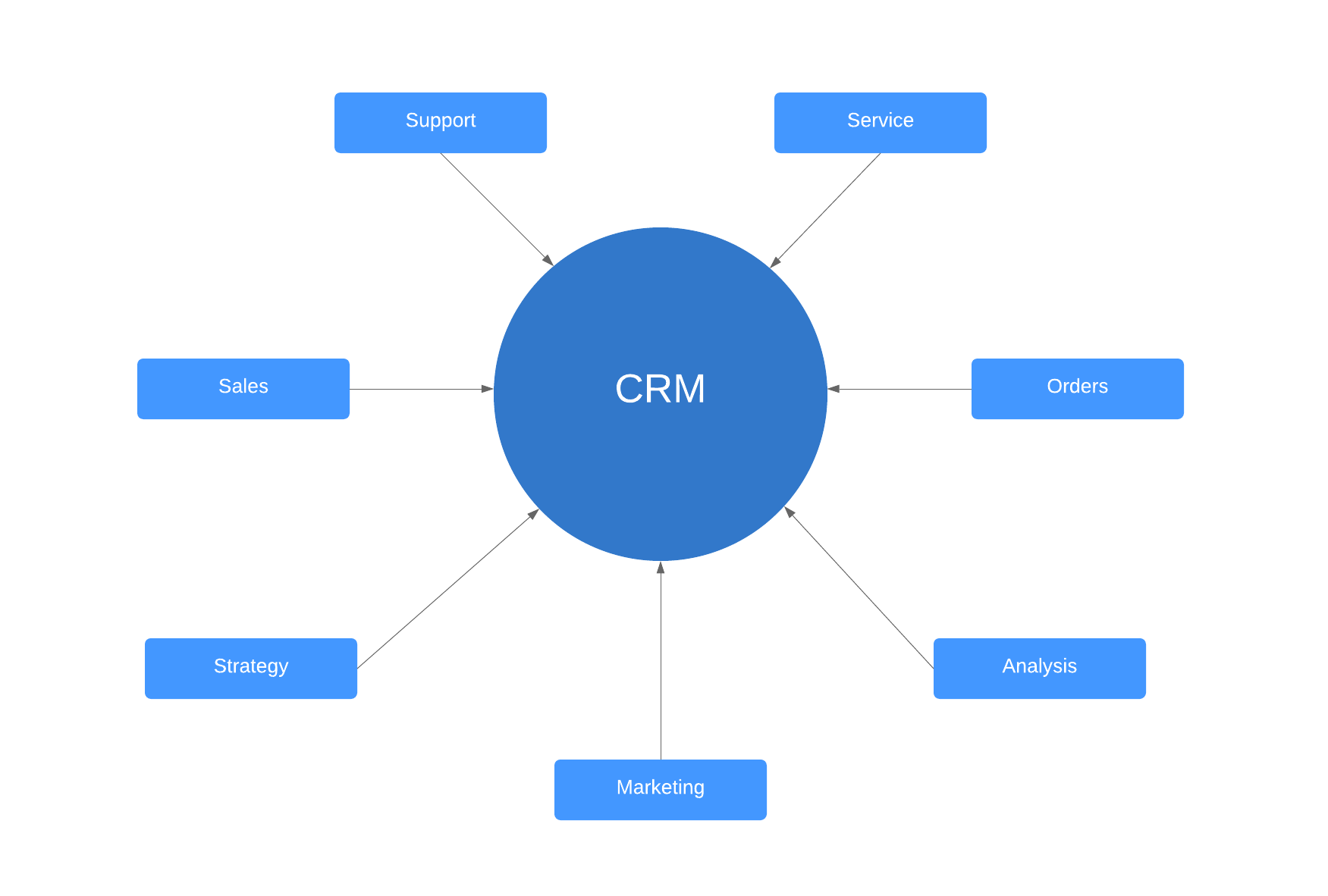
CRM software plays a crucial role in helping small businesses enhance their customer relationships and streamline their operations. By utilizing CRM software, small businesses can effectively manage interactions with customers, resulting in improved customer satisfaction and loyalty.
Specific Features Benefiting Small Businesses
- Centralized Customer Database: CRM software provides a centralized database where small businesses can store all customer information, including contact details, purchase history, and communication preferences.
- Task Automation: Automation features in CRM software help small businesses automate repetitive tasks, such as sending follow-up emails or reminders, saving time and improving efficiency.
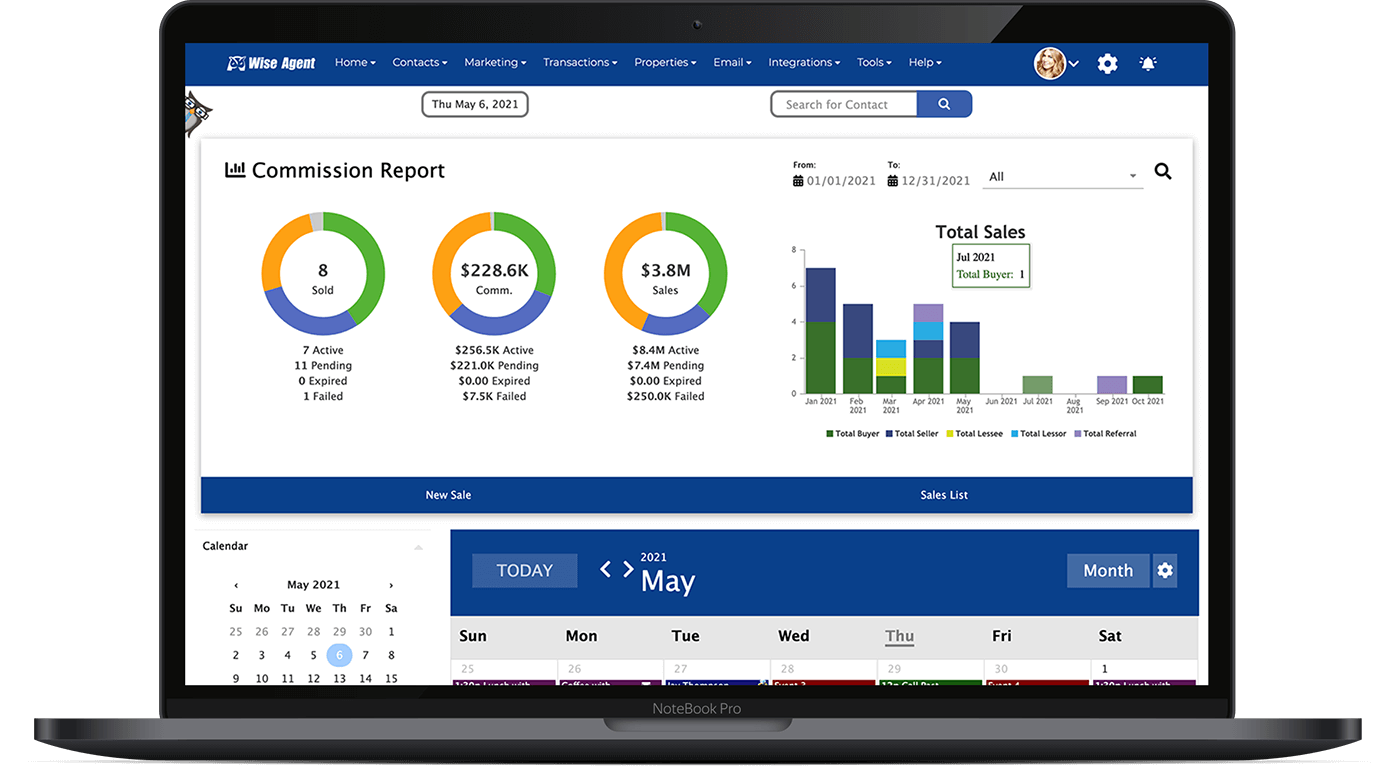
- Customizable Reporting: Small businesses can generate customized reports using CRM software to gain insights into customer behavior, sales trends, and marketing campaign performance.
Streamlining Sales and Marketing Processes
CRM software streamlines sales and marketing processes for small businesses by enabling them to track leads, manage pipelines, and monitor campaign performance all in one platform. This integration enhances collaboration between sales and marketing teams, resulting in more targeted and effective strategies.
Data Analysis Capabilities
- Forecasting and Predictive Analytics: CRM software uses data analysis to forecast sales trends, identify potential leads, and predict customer behavior, helping small businesses make informed decisions.
- Customer Segmentation: Small businesses can segment customers based on behavior, demographics, or preferences using CRM software, allowing for personalized marketing campaigns and targeted communication.
Role of Automation and Integration
Automation in CRM software saves time for small businesses by automating repetitive tasks, while integration capabilities with tools like email marketing platforms or accounting software ensure seamless data flow and improved efficiency.
Tips for Selecting the Right CRM Software
- Scalability: Choose a CRM software that can grow with your business and accommodate increasing customer data and interactions.
- Ease of Use: Opt for a user-friendly CRM software that your team can easily adapt to and utilize efficiently.
- Customization: Look for CRM software that can be customized to meet the specific needs and processes of your small business.
Types of CRM Software Suitable for Small Business
When choosing CRM software for a small business, it is essential to consider the different types available to find the most suitable option. Let’s explore the key types of CRM software that are ideal for small businesses.
Cloud-Based CRM vs. On-Premise CRM
One of the main decisions when selecting CRM software is choosing between cloud-based and on-premise solutions. Here are the key differences:
- Cloud-Based CRM: This type of CRM software is hosted on the vendor’s servers and accessed through the internet. It offers flexibility, scalability, and lower upfront costs.
- On-Premise CRM: On-premise CRM software is installed and managed on the company’s own servers. It provides greater control over data but requires higher upfront investment and maintenance costs.
Comparison of CRM Software Options
Let’s compare and contrast three popular CRM software options suitable for small businesses:
| CRM Software | Features | Pricing | Integrations | Customer Reviews |
|---|---|---|---|---|
| HubSpot CRM | Marketing automation, sales pipeline management, customer service tools | Free for basic features, paid plans starting at $45/month | Integrates with Gmail, Outlook, and many other tools | 4.5/5 stars based on customer reviews |
| Zoho CRM | Contact management, lead scoring, workflow automation | Free for up to 3 users, paid plans starting at $12/user/month | Integrates with Google Workspace, Mailchimp, and more | 4.3/5 stars based on customer reviews |
| Salesforce CRM | Sales forecasting, analytics, customizable dashboards | Starting at $25/user/month | Extensive integrations with third-party apps | 4.6/5 stars based on customer reviews |
Implementing CRM Software in a Small Business
Here is a step-by-step guide on how to implement CRM software within a small business:
- Choose the right CRM software based on your business needs and budget.
- Set up the CRM system with necessary configurations and customizations.
- Migrate existing data into the CRM platform, ensuring data accuracy and completeness.
- Train your staff on how to use the CRM software effectively for daily operations.
- Regularly monitor and evaluate the CRM system’s performance to make necessary adjustments.
Key Features to Look for in CRM Software for Small Business
When choosing CRM software for a small business, it is essential to prioritize features that can streamline processes, enhance customer relationships, and boost overall efficiency. Here are key features to look for:
Automation Tools
Automation tools in CRM software can greatly benefit small business operations by reducing manual tasks, improving productivity, and ensuring consistency in customer interactions. Features like automated email responses, lead scoring, and task assignments can help streamline workflows and save time.
Integration Capabilities
Integration capabilities with other business tools are crucial for small businesses to ensure seamless data flow and collaboration across different platforms. CRM software that can integrate with accounting software, marketing tools, or e-commerce platforms can provide a comprehensive view of customer interactions and help businesses make informed decisions.
Customization Options in CRM Software for Small Business
Customization options in CRM software for small businesses play a crucial role in tailoring the system to meet specific needs and align with unique business processes.
Importance of Customizable Fields and Workflows
Customizable fields and workflows allow small businesses to capture relevant data and track specific information that is essential for their operations. By having the flexibility to modify fields and workflows, businesses can ensure that the CRM system caters to their individual requirements.
- Customizable fields enable businesses to add, remove, or modify data fields based on their industry, products, services, or customer segmentation. For example, a small retail business may need to track customer preferences for specific product categories, which can be achieved through custom fields in the CRM software.
- Customizable workflows empower businesses to design processes that reflect their unique sales, marketing, and customer service strategies. Small businesses can create automated workflows for lead nurturing, customer onboarding, or support ticket resolution, streamlining operations and enhancing efficiency.
Examples of Tailoring CRM Software for Small Businesses
Small businesses can customize CRM software in various ways to better suit their needs:
- Creating custom fields to store industry-specific data, such as project milestones for a construction company or membership levels for a subscription-based service.
- Configuring workflows to automate follow-up tasks after a sales meeting, trigger notifications for upcoming renewals, or assign support tickets based on customer priority.
- Integrating third-party apps or plugins to extend CRM functionality, such as connecting email marketing tools for targeted campaigns or integrating accounting software for seamless invoicing.
Best Practices for Configuring CRM Software
When configuring CRM software to align with unique business processes, small businesses should follow these best practices:
- Identify key data points and processes that are critical to the business and prioritize customization efforts accordingly.
- Involve key stakeholders from different departments to gather input on specific requirements and ensure buy-in for the customized CRM solution.
- Regularly review and refine customizations based on feedback, changing business needs, and evolving industry trends to maximize the value of the CRM system.
CRM Software Implementation for Small Businesses
Implementing CRM software in a small business can be a game-changer in terms of customer management and business growth. Here is a step-by-step guide on how small businesses can successfully implement CRM software:
Step-by-Step Guide for CRM Software Implementation:
- Assess your business needs and goals to determine the key features required in a CRM software.
- Research and choose a CRM software that aligns with your business requirements and budget.
- Customize the CRM software to fit your specific business processes and workflows.
- Train your employees on how to effectively use the CRM software for customer management and sales tracking.
- Set up KPIs to track the performance of your sales team, customer interactions, and overall business growth.
- Regularly review and optimize your CRM software usage to ensure maximum efficiency and effectiveness.
Challenges and Tips for CRM Software Adoption:
- Common challenges small businesses may face include resistance from employees, data migration issues, and integration with existing systems. To overcome these challenges, provide adequate training, offer support during the transition period, and involve employees in the decision-making process.
- Training employees on using CRM software effectively is crucial for successful implementation. Provide hands-on training, create user guides, and offer ongoing support to ensure employees are comfortable using the software in their daily tasks.
Key Performance Indicators (KPIs) to Track:
- Sales conversion rates
- Customer retention rates
- Lead response time
- Customer satisfaction scores
Data Migration Best Practices:
- Plan the data migration process in advance
- Cleanse and organize your data before migration
- Test the data migration process thoroughly before going live
Popular CRM Software Options for Small Businesses:
| CRM Software | Key Features |
|---|---|
| HubSpot CRM | Free, easy to use, email integration |
| Zoho CRM | Customizable, workflow automation, analytics |
| Salesforce Essentials | Scalable, mobile access, AI-powered insights |
Troubleshooting Common Technical Issues:
- Slow system performance: Check for software updates, optimize database settings, and review system requirements.
- Data synchronization errors: Verify data sources, check network connections, and reset sync settings if necessary.
Cost Considerations for CRM Software in Small Business
When it comes to implementing CRM software in small businesses, cost considerations play a crucial role in decision-making. Understanding different pricing models, evaluating factors impacting costs, and maximizing the value within budget constraints are essential for small business owners.
Different Pricing Models
- Subscription-based: Many CRM software providers offer subscription-based pricing models where businesses pay a monthly or annual fee per user.
- Perpetual license: Some CRM software providers offer a one-time licensing fee for the software, along with ongoing support and maintenance costs.
- Freemium: Certain CRM solutions provide basic features for free, with the option to upgrade to a paid version for advanced functionalities.
Factors Impacting Costs
- Number of users: The more users accessing the CRM software, the higher the overall cost will be.
- Features and customization: Advanced features and extensive customization options may incur additional costs.
- Integration requirements: Integrating CRM software with existing systems or third-party applications can impact costs.
- Training and support: Costs associated with training employees and ongoing technical support should be considered.
Maximizing Value within Budget Constraints
- Identify essential features: Focus on key features that align with your business needs to avoid paying for unnecessary functionalities.
- Compare pricing: Research and compare pricing plans from different CRM software providers to find the best value for your budget.
- Negotiate discounts: Some CRM vendors are open to negotiation, especially for long-term commitments or bundled services.
- Utilize free resources: Take advantage of free trials, demos, and online resources to get a feel for the software before committing to a purchase.
Data Security and Privacy in CRM Software for Small Business
Data security and privacy are paramount when it comes to CRM software for small businesses. Protecting sensitive business information and customer data is crucial for maintaining trust and compliance with data privacy regulations.
Importance of Data Security Measures
Implementing robust data security measures in CRM software is essential for safeguarding small business information from unauthorized access or data breaches. Encryption methods play a crucial role in securing customer data by encoding it to make it unreadable to anyone without the decryption key.
Compliance with Data Privacy Regulations
CRM software can assist small businesses in complying with data privacy regulations by providing features that ensure data protection, such as consent management tools, data anonymization options, and secure data storage protocols.
Best Practices for Safeguarding Customer Data
- Regularly update CRM software to the latest version to patch security vulnerabilities.
- Implement strong password policies and user access controls to restrict data access.
- Train employees on data security best practices to prevent data leaks or breaches.
Comparison of Encryption Methods
CRM software may use AES (Advanced Encryption Standard), RSA (Rivest-Shamir-Adleman), or SSL (Secure Sockets Layer) encryption methods to secure customer data. Each method offers different levels of security and encryption strength.
Role of Access Controls
Access controls in CRM software allow small businesses to define who can access specific data and functions within the system. By setting up role-based access controls, businesses can limit data access to authorized personnel only.
Auditing and Monitoring Data Access
- Regularly audit user access logs to track who accessed the CRM system and what actions were taken.
- Monitor data access patterns for any unusual activities that could indicate a potential security breach.
Implications of a Data Breach
A data breach in CRM software can have severe consequences for small businesses, including financial losses, reputational damage, and legal implications. It is crucial to have response protocols in place to mitigate the impact of a data breach and notify affected parties promptly.
Multi-Factor Authentication
Implementing multi-factor authentication within CRM software adds an extra layer of security by requiring users to provide multiple forms of verification before accessing the system. This helps prevent unauthorized access even if login credentials are compromised.
Mobile Accessibility Features in CRM Software for Small Business
Mobile CRM applications offer numerous benefits for small businesses, enabling employees to access crucial customer data and manage tasks on the go. The convenience of mobile accessibility enhances productivity and fosters better customer engagement, ultimately leading to improved business outcomes.
Benefits of Mobile CRM Applications for Small Businesses
- Access to real-time customer information from anywhere
- Increased flexibility and responsiveness in customer interactions
- Improved efficiency in task management and communication
Features for User-Friendly Mobile CRM Applications for Small Businesses
- Intuitive interface optimized for smaller screens
- Responsive design for seamless navigation
- Touch-friendly controls for easy interaction
Importance of Customizable Dashboards in Mobile CRM Applications
Customizable dashboards allow small businesses to tailor their CRM interface to their specific needs, displaying the most relevant information at a glance. This customization enhances user experience and efficiency, enabling quick decision-making based on real-time data.
Role of Push Notifications in Mobile CRM Applications
Push notifications play a vital role in keeping users informed about important updates, tasks, or customer interactions. By delivering real-time alerts, push notifications help streamline communication and task management within CRM software on mobile devices, ensuring that critical information is not missed.
Offline Access Capabilities in Mobile CRM Applications
Offline access capabilities enable users to continue working even without an internet connection, ensuring continuous functionality of CRM software on mobile devices. This feature is essential for field agents or employees working in areas with poor network coverage, allowing them to access and update customer data offline and sync it when back online.
Security Measures in Mobile CRM Applications for Small Businesses
Different mobile CRM applications implement various security measures to protect sensitive customer data. These may include encryption protocols, biometric authentication, remote data wiping, and secure cloud storage. Small businesses should choose CRM software with robust security features to safeguard confidential information and maintain trust with customers.
Customer Support and Training Resources for Small Business CRM Software
Customer support and training resources play a crucial role in helping small businesses effectively utilize CRM software to enhance their operations and customer relationships. Here are some key points to consider:
Importance of Reliable Customer Support Services
Reliable customer support services provided by CRM software providers are essential for small businesses. Quick access to a knowledgeable support team can help resolve issues promptly, minimizing downtime and ensuring smooth operation of the CRM system.
Accessing Training Resources and Tutorials
Small businesses can benefit greatly from utilizing training resources and tutorials offered by CRM software providers. These resources can help employees learn how to use the software efficiently, maximizing its capabilities and improving overall productivity.
Role of User Communities and Forums
User communities and forums can be valuable resources for small businesses facing challenges with CRM software. By connecting with other users and experts in these platforms, businesses can get advice, tips, and solutions to common issues, empowering them to make the most out of their CRM software.
Integration Capabilities with Other Business Tools in CRM Software for Small Business
Integrating CRM software with accounting, marketing, and communication tools can greatly benefit small businesses by streamlining processes and improving data management.
Benefits of Integration
- Enhanced efficiency in managing customer data across platforms.
- Improved communication with customers through synchronized data.
- Better insights for targeted marketing and sales strategies.
Popular Third-Party Integrations
- Accounting: QuickBooks, Xero
- Marketing: Mailchimp, HubSpot
- Communication: Slack, Zoom
Seamless Integration for Efficiency
By seamlessly integrating CRM software with other business tools, small businesses can automate tasks, reduce manual data entry, and ensure consistency in customer interactions.
Setting Up Integrations
- Choose compatible tools based on CRM software requirements.
- Access integration options within CRM software settings.
- Follow step-by-step instructions for connecting each tool.
Comparison Table for Integrations
| CRM Software | Accounting Integration | Marketing Integration | Communication Integration |
|---|---|---|---|
| CRM A | QuickBooks | Mailchimp | Slack |
| CRM B | Xero | HubSpot | Zoom |
Case Study: Positive Impact of Integrated CRM
A small business integrated CRM software with accounting and marketing tools, resulting in a 20% increase in customer retention and a 15% growth in sales within the first year.
Reporting and Analytics Features in CRM Software for Small Business
Reporting and analytics tools are essential components of CRM software for small businesses as they provide valuable insights into customer data and business performance. These features help small businesses make informed decisions, improve customer relationships, and enhance overall efficiency.
Customizable Reporting Dashboards and Metrics
Customizable reporting dashboards allow small businesses to track key performance indicators (KPIs) and metrics that are most relevant to their operations. Some common examples of customizable reporting dashboards and metrics include:
- Sales pipeline analysis: Tracking the progress of leads and opportunities through the sales pipeline helps identify bottlenecks and areas for improvement.
- Customer segmentation: Analyzing customer data to segment customers based on demographics, purchasing behavior, or other criteria can help businesses tailor their marketing strategies and improve customer satisfaction.
- Customer lifetime value: Calculating the lifetime value of customers helps businesses understand the profitability of different customer segments and allocate resources effectively.
- Marketing campaign performance: Monitoring the performance of marketing campaigns in real-time allows businesses to optimize their strategies and maximize ROI.
These customizable reporting dashboards and metrics provide small businesses with actionable insights that drive growth and success.
Scalability of CRM Software for Small Business Growth
When it comes to the growth and expansion of small businesses, having a scalable CRM software solution is essential. Scalability refers to the software’s ability to accommodate an increasing amount of data, users, and functionalities as the business grows. Here are some key points to consider:
Factors to Consider for Scalable CRM Solutions
- Customization Options: Look for CRM software that allows for easy customization and integration of additional features as your business needs evolve.
- Flexible Pricing Plans: Choose a CRM solution that offers scalable pricing plans, so you can add more users or features as your business grows without breaking the bank.
- Integration Capabilities: Ensure that the CRM software can seamlessly integrate with other business tools and applications that you may need in the future.
- Data Management: Consider how the CRM software handles large volumes of data and whether it can efficiently scale to meet your growing data needs.
Tips for Future-Proofing CRM Software Investments
- Choose a Cloud-Based Solution: Cloud-based CRM software is easily scalable and can adapt to your business’s changing requirements without the need for extensive hardware upgrades.
- Regular Updates and Support: Opt for a CRM provider that offers regular updates and excellent customer support to ensure that your software remains up-to-date and relevant as your business grows.
- Scalability Testing: Before investing in a CRM software, conduct scalability tests to ensure that it can handle increased workloads and data volumes without compromising performance.
- Training and Onboarding: Invest in proper training and onboarding for your team to maximize the benefits of the CRM software and ensure a smooth transition as your business expands.
User Interface and User Experience Design in CRM Software for Small Business
Intuitive user interfaces play a crucial role in enhancing the user experience of CRM software for small businesses. A well-designed interface can make it easier for users to navigate the system, access important information, and perform tasks efficiently.
Design Elements for User-Friendly CRM Software
- Clear and organized layout with easy access to key functionalities
- Consistent design elements for seamless navigation
- Intuitive icons and buttons for quick understanding
- Customizable dashboard for personalized user experience
- Color-coded labels and categories for visual clarity
Examples of Visually Appealing CRM Interfaces
- HubSpot CRM: Simple and clean interface with drag-and-drop customization
- Zoho CRM: User-friendly layout with customizable modules and reports
- Salesforce Essentials: Intuitive design with easy-to-use features for small businesses
Comparative Analysis Chart of CRM Software Solutions
| CRM Software | User Interface Features |
|---|---|
| HubSpot CRM | Drag-and-drop customization, clean layout |
| Zoho CRM | Customizable modules, user-friendly design |
| Salesforce Essentials | Intuitive features, easy navigation |
Wireframe Prototype for User-Friendly CRM Interface
A wireframe prototype for a small business CRM interface should focus on key functionalities like contact management, sales pipeline tracking, and reporting. It should prioritize ease of use with clear labels and intuitive navigation.
Responsive Design in CRM Software
- Responsive design ensures that the CRM software adapts to different screen sizes and devices
- Enhances user engagement by providing a seamless experience across desktop, mobile, and tablet devices
- Allows small business owners and employees to access important information on-the-go
Industry-Specific CRM Solutions for Small Businesses
Industry-specific CRM solutions are tailored to meet the unique needs and challenges of different sectors such as retail, real estate, healthcare, or professional services. These specialized CRM software options offer features and functionalities designed to address specific requirements of small businesses within each industry.
Retail CRM Software
Retail CRM software is equipped with tools for managing customer relationships, tracking sales, analyzing customer data, and optimizing marketing campaigns. Features may include loyalty program management, inventory tracking, and omnichannel integration to provide a seamless shopping experience.
Real Estate CRM Software
Real estate CRM software focuses on lead management, property listings, communication with clients, and transaction tracking. It may offer features like property matching, automated follow-ups, open house management, and integration with MLS listings to streamline the sales process.
Healthcare CRM Software
Healthcare CRM software is designed to improve patient engagement, manage appointments, track medical histories, and enhance communication between healthcare providers. Features may include patient portals, appointment scheduling, automated reminders, and secure messaging for efficient healthcare delivery.
Professional Services CRM Software
Professional services CRM software caters to businesses like consulting firms, law offices, or marketing agencies by offering tools for client management, project tracking, time billing, and resource allocation. Features may include client portals, project templates, task management, and integration with accounting software for streamlined operations.
Conclusion
In conclusion, CRM Software for Small Business is a game-changer for companies looking to boost efficiency, enhance customer relationships, and drive growth. By leveraging the features and capabilities of CRM software, small businesses can navigate the complexities of the modern business world with confidence and success.