Starting with Salesforce CRM pricing, this overview delves into the intricacies of pricing structures and plans, shedding light on key factors influencing costs and scalability options.
Exploring the various editions, pricing models, and factors affecting pricing, this guide aims to provide a comprehensive understanding of Salesforce CRM pricing.
Introduction to Salesforce CRM Pricing
Salesforce CRM pricing refers to the cost structure associated with using Salesforce’s Customer Relationship Management (CRM) software, which helps businesses manage their interactions with current and potential customers.
Importance of Understanding Pricing Structures for Businesses
- Understanding pricing structures is crucial for businesses to make informed decisions that align with their budget and needs.
- It allows businesses to choose the most suitable pricing plan that will maximize their ROI and enhance operational efficiency.
Factors Influencing Salesforce CRM Pricing
- Features and functionalities included in each pricing plan.
- Number of users accessing the CRM system.
- Level of customization and integration required.
Different Pricing Plans Offered by Salesforce CRM
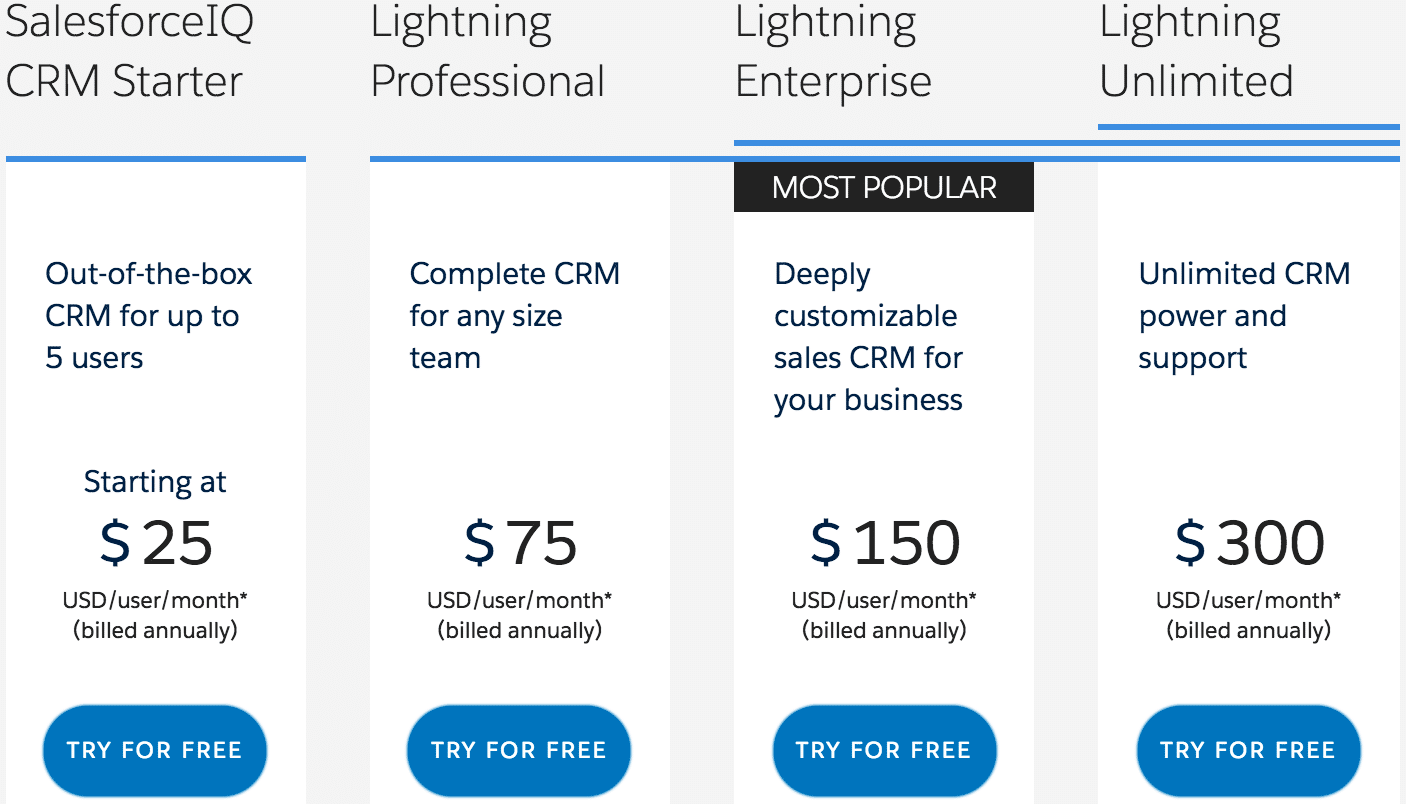
- Essentials: Basic plan for small businesses with essential CRM features.
- Professional: Intermediate plan with additional features suitable for growing businesses.
- Enterprise: Advanced plan offering comprehensive CRM capabilities for large organizations.
- Unlimited: Customizable plan with unlimited functionalities for enterprise-level businesses.
Benefits of Each Pricing Plan for Businesses
- Essentials: Cost-effective solution for small businesses to manage customer relationships efficiently.
- Professional: Enhanced features for improved customer engagement and sales processes.
- Enterprise: Scalable solution for large organizations with complex CRM needs.
- Unlimited: Fully customizable plan to meet the unique requirements of enterprise-level businesses.
Scalability Options within Salesforce CRM Pricing
- Businesses can easily scale up or down their CRM usage based on changing needs and requirements.
- Flexible pricing plans allow businesses to add or remove users and features as needed.
Potential Cost-Saving Strategies when Choosing a Salesforce CRM Pricing Plan
- Opting for an annual contract to avail discounts on monthly subscription fees.
- Utilizing bundled packages or add-ons to access additional features at a lower cost.
Examples of Businesses Maximizing ROI with Salesforce CRM Pricing
- Company A streamlined its sales process and improved customer retention using Salesforce’s Enterprise plan.
- Company B enhanced its marketing campaigns and lead generation efforts with Salesforce’s Unlimited plan.
Salesforce CRM Editions
When it comes to Salesforce CRM, there are several editions available to cater to different business needs. Each edition offers a unique set of features and pricing options, allowing companies to choose the one that best suits their requirements.
1. Salesforce Essentials
- Designed for small businesses
- Basic CRM functionalities
- Affordable pricing
2. Salesforce Professional
- Additional features like lead registration and forecasting
- More customization options
- Mid-range pricing
3. Salesforce Enterprise
- Advanced CRM capabilities
- Workflow automation and approval processes
- Higher level of customization
- Higher pricing tier
4. Salesforce Unlimited
- Top-tier edition with all features included
- Unlimited support and training resources
- Most expensive option
Scalability Options
Regardless of the edition chosen, Salesforce CRM offers scalability options to accommodate business growth. Companies can easily upgrade to a higher edition as their needs evolve, ensuring that they always have access to the tools and resources necessary to succeed.
Pricing Models
When it comes to Salesforce CRM, there are several pricing models available to cater to different business needs and budgets. Let’s explore the key features and benefits of these pricing models to help you make an informed decision.
Subscription-based Pricing
Subscription-based pricing is a common model offered by Salesforce CRM, where users pay a fixed fee on a regular basis (monthly or annually) to access the software. This model offers predictable costs, making it easier for businesses to budget and plan their expenses. Additionally, subscription-based pricing often includes regular updates and customer support, ensuring that users have access to the latest features and assistance when needed.
Usage-based Pricing
Usage-based pricing is another option provided by Salesforce CRM, where businesses pay based on the level of usage or number of users accessing the software. This model can be advantageous for companies with fluctuating CRM needs, as they only pay for what they use. It offers flexibility and scalability, allowing businesses to adjust their expenses based on their current requirements.
Customized Pricing Plans
Salesforce CRM also offers the option to create customized pricing plans tailored to specific business needs. This involves working with Salesforce representatives to determine the features, services, and level of support required, and then receiving a personalized pricing plan. Factors that can be customized include the number of users, storage capacity, and additional functionalities.
Comparison of Pricing Models
In comparing these pricing models, subscription-based pricing offers cost predictability and ease of budgeting, making it ideal for businesses looking for stability in their expenses. Usage-based pricing, on the other hand, provides scalability and flexibility, allowing businesses to adjust their spending based on their usage levels. Customized pricing plans offer tailored solutions for businesses with unique requirements, ensuring that they only pay for the features they need.
Table of Industries Benefitting from Pricing Models
| Subscription-based Pricing | Usage-based Pricing | Customized Pricing Plans |
|---|---|---|
| Small to medium-sized businesses | Seasonal businesses | Large enterprises with specific needs |
| Non-profit organizations | Growing startups | Industry-specific companies |
| Consulting firms | Project-based companies | Global corporations |
Factors Affecting Pricing
When it comes to Salesforce CRM pricing, several key factors play a significant role in determining the overall cost for users. Understanding these factors is crucial for businesses looking to invest in a CRM solution tailored to their specific needs.
User Count and Storage Requirements
- User count: The number of users accessing the Salesforce CRM platform directly impacts pricing. Typically, the more users you have, the higher the cost.
- Storage requirements: The amount of data storage needed for your organization’s records and files can also influence pricing. Additional storage beyond the standard allocation may incur extra charges.
Add-On Features and Customization Options
- Add-on features: Including extra functionalities or integrations beyond the basic CRM package can increase the overall price. Businesses should consider their specific requirements before opting for add-ons.
- Customization options: Tailoring the CRM system to meet unique business needs often involves additional costs. Features like custom objects, workflows, and reports can impact pricing based on complexity.
Contract Length and Payment Terms
- Contract length: Opting for longer contract durations can sometimes lead to discounted pricing. Businesses should weigh the benefits of long-term commitments against the flexibility of shorter contracts.
- Payment terms: The frequency and method of payment, such as monthly, quarterly, or annually, can also affect overall pricing. Some payment terms may offer cost savings or incentives.
Pricing Structures for Different User Tiers
- Basic tiers: Entry-level user tiers often come with essential features at a lower price point, suitable for small businesses or startups.
- Advanced tiers: Higher user tiers with advanced functionalities and capabilities are priced higher to cater to the needs of larger enterprises with complex requirements.
Impact of Industry-Specific Requirements
- Industry-specific requirements: Certain industries may have unique compliance or regulatory needs that require specialized CRM configurations. These specific requirements can impact pricing based on the level of customization and integration necessary.
Cost Breakdown
When it comes to Salesforce CRM pricing, it’s essential to understand the breakdown of costs involved. The pricing structure typically includes a base price, additional user costs, and charges for extra features.
Base Price
- The base price for Salesforce CRM varies depending on the edition chosen, with pricing starting at a certain amount per user per month.
- For example, the Essentials edition may have a lower base price compared to the Professional or Enterprise editions.
Additional User Costs
- Additional user costs come into play when you need to add more users to your Salesforce CRM account.
- These costs can vary based on the number of users added and the edition chosen.
Extra Features
- There are additional charges for extra features or functionalities that you may want to include in your Salesforce CRM setup.
- These charges can add up depending on the level of customization and the specific features you require.
Overall, the costs of Salesforce CRM can vary significantly based on the level of customization, the number of users, and the specific features needed for your business operations.
Negotiating Pricing
When it comes to negotiating Salesforce CRM pricing, it’s essential to be well-prepared and strategic. Here are some tips to help you navigate the negotiation process and get the best deal possible.
Tips for Negotiating Salesforce CRM Pricing
- Do your research: Understand the standard pricing models and features offered by Salesforce CRM to have a clear idea of what you need and what you’re willing to pay for.
- Highlight your value: Showcase the value that your business will bring to Salesforce as a customer to potentially negotiate better pricing terms.
- Ask for discounts: Inquire about any available discounts or promotions that Salesforce may offer, especially for long-term commitments or larger deals.
- Be willing to walk away: Sometimes, the best negotiation tactic is to be prepared to walk away if the terms are not favorable. This can show Salesforce that you are serious about getting a good deal.
Common Discounts and Incentives
- Volume discounts for purchasing multiple licenses or services.
- Nonprofit discounts for eligible organizations.
- Special promotions during certain times of the year.
Strategies for Maximizing Value and Minimizing Costs
- Focus on essential features: Identify the key features that are crucial for your business operations and prioritize those during negotiations.
- Consider long-term benefits: Look beyond the initial cost and evaluate the long-term benefits and ROI of investing in Salesforce CRM.
- Negotiate for additional support or training: Request additional support or training services as part of the deal to maximize the value of your investment.
Hidden Costs
When considering Salesforce CRM pricing, it’s important to be aware of potential hidden costs that may not be immediately apparent. These additional fees can impact the total cost of ownership and should be carefully evaluated to avoid any surprises down the line.
Identifying Hidden Costs
- Implementation and Training Fees: Some Salesforce CRM pricing plans may not include setup or training costs, which can add up quickly.
- Data Storage Fees: Depending on the amount of data you need to store, additional fees may apply.
- Customization Costs: Tailoring the CRM to meet your specific business needs can come with extra charges.
Managing Hidden Costs
- Review Pricing Plans: Compare different tiers to understand what is included and what may incur additional charges.
- Ask for a Detailed Breakdown: Request a breakdown of all potential costs to ensure transparency.
- Negotiate with Providers: Don’t be afraid to discuss pricing and ask for discounts or waivers on certain fees.
Comparing Pricing Plans
| Pricing Tier | Included Features | Potential Hidden Fees |
|---|---|---|
| Basic | Standard CRM functionalities | Additional customization costs |
| Advanced | Advanced reporting and analytics | Data storage overage fees |
Negotiating to Reduce Hidden Costs
- Bundle Services: Consider bundling services to potentially reduce overall costs.
- Long-term Contracts: Negotiate discounts for committing to a longer contract term.
- Ask for Discounts: Don’t hesitate to ask for discounts or promotions to lower hidden costs.
Discounts and Promotions
Discounts and promotions play a significant role in helping businesses save costs and maximize the value they get from Salesforce CRM. Here, we will explore some common discounts and promotions offered by Salesforce and how businesses can leverage them to their advantage.
Seasonal Offers
Seasonal offers are a great way for businesses to save on Salesforce CRM costs. Keep an eye out for special promotions during holidays or specific times of the year when Salesforce may offer discounts on subscription fees or additional features.
Referral Discounts
Referral discounts are another way businesses can save on their Salesforce CRM expenses. By referring other businesses or clients to Salesforce, you may be eligible for discounts on your own subscription fees or other incentives.
Package Deals
Package deals are often available for businesses looking to purchase multiple Salesforce products or services. These deals can provide cost savings compared to buying individual components separately, making it a cost-effective option for businesses looking to scale their CRM solutions.
ROI and Value Proposition
Investing in Salesforce CRM can have a significant impact on a business’s bottom line. By analyzing the return on investment (ROI) of implementing and maintaining Salesforce CRM, businesses can evaluate the costs versus the benefits obtained. These benefits may include increased sales, improved customer satisfaction, and streamlined processes.
Measuring ROI
- One way to measure the effectiveness of investing in Salesforce CRM is by tracking key performance indicators (KPIs) such as customer acquisition cost, customer lifetime value, conversion rates, and customer retention rates.
- Businesses can calculate the ROI by comparing the costs associated with Salesforce CRM implementation and maintenance with the monetary gains achieved through increased sales and efficiency.
- By monitoring these KPIs over time, businesses can assess the tangible impact of Salesforce CRM on their operations and revenue.
Value Proposition
- The value proposition of Salesforce CRM pricing lies in the features included in different pricing tiers, which cater to the specific needs and goals of a business.
- Businesses can choose the pricing tier that aligns best with their requirements, ensuring they get the most value out of their investment in Salesforce CRM.
- Features such as advanced analytics, automation capabilities, and integrations with other tools can enhance operational efficiency and drive business growth.
Comparative ROI Analysis
| CRM Solution | ROI | Unique Value Proposition |
|---|---|---|
| Salesforce CRM | High ROI due to increased sales, improved customer satisfaction, and streamlined processes. | Advanced analytics, automation capabilities, and seamless integrations. |
| Other CRM Solutions | Varying ROI based on features and pricing. | May lack the comprehensive features and scalability of Salesforce CRM. |
Contract Options
When it comes to Salesforce CRM, there are different contract options available to cater to various business needs and preferences. Understanding the benefits of short-term versus long-term contracts can help you make an informed decision based on your specific requirements.
Short-Term vs. Long-Term Contracts
Short-term contracts typically offer more flexibility and allow businesses to adjust their CRM solutions more frequently based on changing needs. On the other hand, long-term contracts often come with cost savings and can provide stability in pricing over an extended period.
Choosing the Right Contract
When selecting a contract option for Salesforce CRM, it’s essential to consider factors such as budget, scalability, customization requirements, and future growth projections. For businesses with fluctuating needs, short-term contracts might be more suitable, while those looking for cost-efficiency and predictability may prefer long-term agreements.
Customization Costs
Customizing Salesforce CRM to meet specific business needs can incur additional costs beyond the standard pricing models. These costs are associated with tailoring the platform to align with unique requirements and workflows.
Cost Structure for Tailored Solutions
When it comes to customization, Salesforce offers different pricing structures based on the level of complexity and extent of customization required. The costs can vary depending on the features, integrations, automation, and configurations needed to tailor the CRM to your business processes.
- Basic Customization: Simple customizations such as adding custom fields, creating workflows, or modifying page layouts may have standard pricing or be included in the subscription fee.
- Advanced Customization: More complex customizations like creating custom objects, developing custom applications, or integrating third-party apps typically incur additional costs based on the level of expertise and effort required.
- Consulting Services: Engaging Salesforce consultants or developers to assist with customization projects will involve hourly rates or project-based fees.
It’s important to outline your customization needs clearly to get accurate cost estimates and avoid unexpected expenses.
Examples of Customized Features and Costs
Customized features can range from simple tweaks to comprehensive solutions tailored to specific business requirements. Here are some examples of customized features and their associated costs:
| Customized Feature | Associated Costs |
|---|---|
| Custom Object Development | $X,XXX – $XX,XXX |
| Workflow Automation | $XXX – $XXXX per automation |
| Integration with Third-Party Apps | Cost varies based on the complexity of integration |
Customization costs can add up quickly, so it’s essential to prioritize your customization needs and work closely with Salesforce experts to optimize your CRM investment effectively.
Integration Fees
When it comes to integrating Salesforce CRM with other systems, there are additional costs involved beyond the standard pricing. These integration fees can vary depending on the complexity of the integration and the systems being connected.
Costs Associated with Integrating Salesforce CRM
- Custom Development: Integrating Salesforce CRM with other systems often requires custom development work to ensure seamless data flow between platforms. This can incur additional costs based on the scope of the integration.
- Third-Party Integration Tools: In some cases, you may need to purchase third-party integration tools or connectors to facilitate the integration process. These tools come with their own pricing, which adds to the overall integration fees.
- Data Migration: Moving data from existing systems to Salesforce CRM can also result in integration costs. Data mapping, cleansing, and migration efforts can contribute to the total expense of integration.
Tips for Minimizing Integration Costs
- Plan Ahead: Clearly define your integration requirements and objectives upfront to avoid scope creep and additional costs down the line.
- Utilize Standard Connectors: Whenever possible, leverage standard connectors provided by Salesforce or third-party vendors to streamline the integration process and reduce custom development work.
- Consider Phased Approach: Break down the integration into smaller phases to manage costs more effectively and prioritize critical functionalities first.
- Opt for Pre-Built Solutions: Explore pre-built integration solutions that are specifically designed for connecting Salesforce CRM with popular systems to minimize customization and development efforts.
Support and Training Costs
Support and training costs are essential components to consider when investing in Salesforce CRM. These costs can significantly impact the overall success and efficiency of your CRM implementation.
Breakdown of Support and Training Costs
- Training Programs: Salesforce offers various training programs for users at different skill levels. Costs can range from free online resources to paid instructor-led courses.
- Ongoing Support Services: These services include technical support, troubleshooting, and updates. Costs may be incurred on a subscription basis or per incident.
Importance of Factoring in Support Costs
Factoring in support costs is crucial for ensuring that your team can effectively use Salesforce CRM. Investing in proper training and support can lead to higher user adoption rates and increased productivity.
In-house vs. External Training Costs
- In-House Training: Conducting training sessions internally can be cost-effective but may require dedicated resources and time.
- External Training: Outsourcing training to Salesforce-certified instructors may be more expensive but can provide specialized knowledge and expertise.
Benefits of Customized Training Programs
Customized training programs tailored to your organization’s specific needs can enhance user proficiency and system utilization. These programs can address unique challenges and maximize the ROI on your CRM investment.
Impact of Ongoing Support Services
- User Adoption: Ongoing support services play a key role in ensuring that users are equipped to navigate the CRM effectively, leading to higher adoption rates.
- System Utilization: Regular support and updates help optimize system performance and functionality, maximizing the benefits of Salesforce CRM.
Cost-Effectiveness of Outsourcing Support Services
Outsourcing support services may offer cost savings in terms of resources and expertise. By leveraging external support, organizations can access specialized skills and round-the-clock assistance without the need for in-house maintenance.
Competitor Pricing Comparison
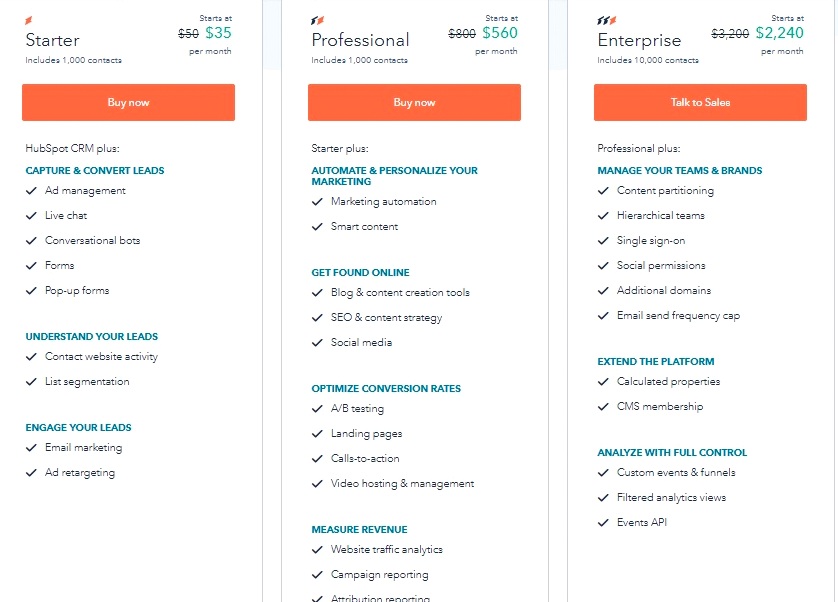
When comparing Salesforce CRM pricing with competitors in the market, it is essential to analyze the value proposition offered by Salesforce CRM in comparison to alternatives. The pricing differences can significantly impact user adoption and satisfaction, so a detailed breakdown of the features and services included in the pricing plans of Salesforce CRM and its competitors is crucial. Evaluating any unique selling points or advantages that Salesforce CRM has over its competitors in terms of pricing and value is also important. Additionally, a cost-benefit analysis can showcase the potential savings or advantages of choosing Salesforce CRM over other options.
Detailed Comparison
- Compare pricing tiers, features, support options, and contract terms for Salesforce CRM and major competitors.
- Analyze customer testimonials or case studies to show how pricing factors into the decision-making process for businesses considering CRM solutions.
- Highlight any special discounts, promotions, or hidden costs that may differentiate Salesforce CRM from its competitors.
- Discuss the impact of customization costs, integration fees, support, and training costs on overall pricing and value.
Future Pricing Trends
In the ever-evolving landscape of CRM software, it is crucial to anticipate and adapt to future pricing trends in Salesforce CRM. Businesses need to stay ahead of the curve to make informed decisions and optimize their investments in CRM solutions.
Shift towards Subscription-Based Models
With the increasing popularity of subscription-based services in the tech industry, Salesforce CRM may transition towards more flexible pricing structures. This could mean offering monthly or annual subscription plans with tiered pricing based on features and usage.
Focus on Value-Based Pricing
As businesses place a greater emphasis on ROI and value derived from CRM systems, Salesforce may shift towards value-based pricing models. This approach aligns the cost of the software with the benefits and outcomes it delivers to customers, making pricing more transparent and equitable.
Integration of AI and Automation
With the integration of artificial intelligence and automation capabilities in CRM software, future pricing trends may see adjustments to accommodate these advanced functionalities. Businesses should be prepared for potential pricing changes to reflect the added value of AI-driven features.
Personalization and Customization Options
As businesses seek more personalized and tailored CRM solutions, Salesforce may introduce pricing structures that allow for greater customization. This could involve modular pricing for specific features or enhanced customization options at different price points.
Competitive Market Dynamics
In a competitive CRM market, pricing trends are often influenced by competitor actions and market dynamics. Businesses should monitor industry trends and competitor pricing strategies to anticipate potential changes in Salesforce CRM pricing and adjust their own strategies accordingly.
Wrap-Up
In conclusion, navigating Salesforce CRM pricing involves a deep dive into editions, pricing models, and hidden costs, offering insights into optimizing costs and maximizing ROI for businesses.
