Starting with an exploration of Salesforce CRM cost, this introduction delves into the key factors influencing pricing, various pricing models, and effective cost-saving strategies to optimize your CRM investment.
As we navigate through the nuances of Salesforce CRM cost, we’ll uncover essential insights to help you make informed decisions about your CRM expenditure.
Overview of Salesforce CRM Cost
When considering the cost of Salesforce CRM, several factors come into play that can influence the overall pricing structure.
Factors Influencing Cost
- User Licenses: The number of users accessing the system directly impacts the cost, with different license types available based on user needs.
- Storage Needs: The amount of data stored within Salesforce CRM can affect pricing, especially for organizations with large datasets.
- Additional Features: Opting for advanced features or add-ons can increase the overall cost, as these often come with an extra price tag.
Pricing Models
- Per User/Per Month: Salesforce offers a standard pricing model based on the number of users and their monthly usage.
- Enterprise Pricing: For larger organizations with complex needs, custom enterprise pricing options are available for a tailored solution.
Customization and Integrations
- Third-Party Apps: Integrating third-party applications or requiring custom development can add to the overall cost of Salesforce CRM implementation.
- Developer Resources: Depending on the level of customization needed, additional developer resources may be required, impacting the budget.
Cost Savings Strategies
- Bundling Services: Bundling services or opting for long-term contracts can often lead to cost savings and discounts from Salesforce.
- Volume Discounts: Organizations with a large number of users may be eligible for volume discounts, reducing the per-user cost.
Data Security Measures in Salesforce CRM
Ensuring data security is crucial for any CRM system, and Salesforce offers a range of features to protect sensitive information.
Security Features
- Encryption: Data stored in Salesforce CRM is encrypted to prevent unauthorized access and maintain confidentiality.
- Two-Factor Authentication: Adding an extra layer of security with two-factor authentication helps prevent unauthorized logins.
- IP Restrictions: Setting up IP restrictions limits access to Salesforce CRM from specific locations, enhancing security.
Compliance with Regulations
- GDPR and HIPAA: Salesforce complies with industry regulations like GDPR and HIPAA to ensure data protection and privacy for users.
- Role-Based Access Control: Setting up role-based access control defines who can access specific data within Salesforce CRM, enhancing security.
Regular Backups and Disaster Recovery
- Data Backups: Regularly backing up data ensures that critical information is not lost in case of system failures or data breaches.
- Disaster Recovery Plans: Having a disaster recovery plan in place helps organizations recover quickly from unexpected events and minimize downtime.
Subscription-based pricing
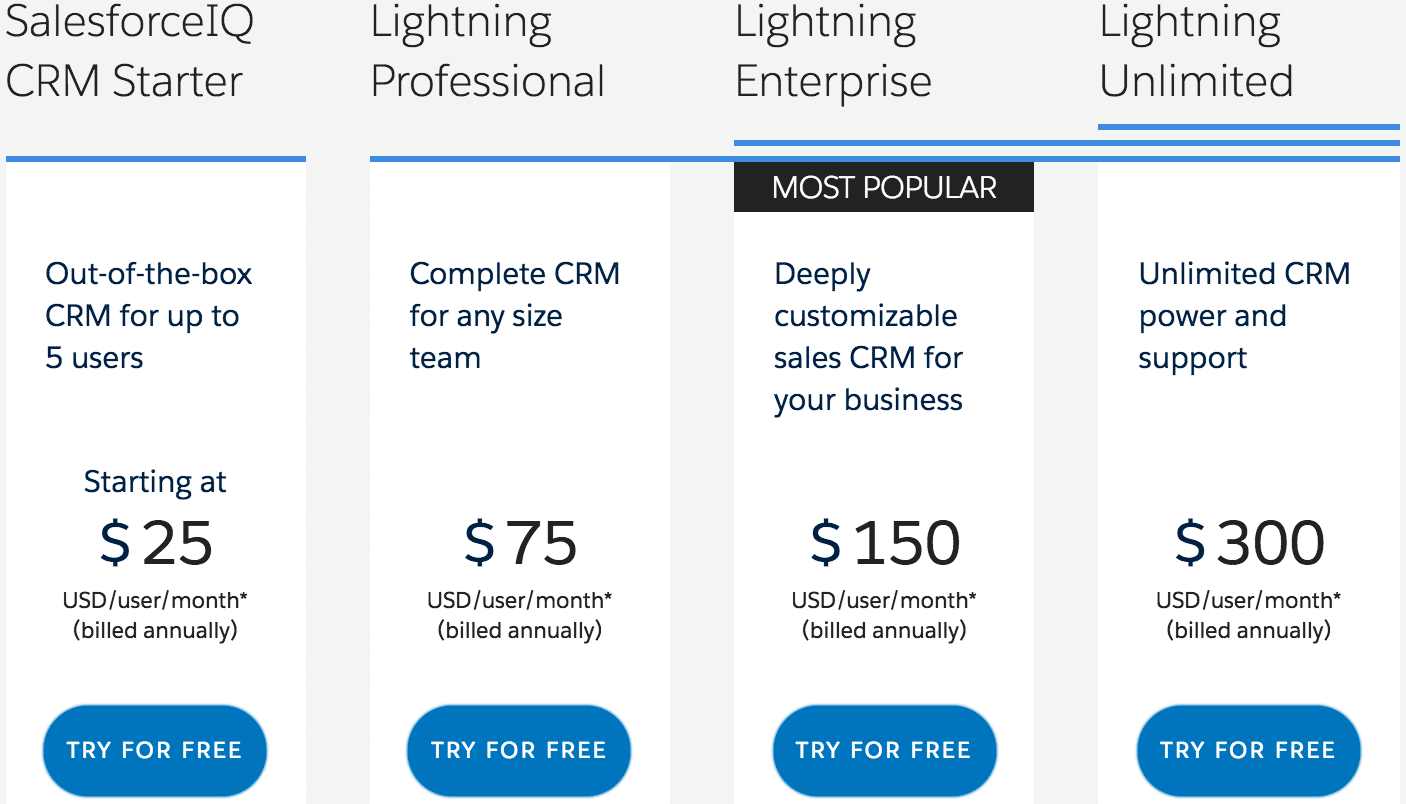
When it comes to Salesforce CRM, there are several subscription tiers available to cater to different business needs and budgets. Each tier comes with its own set of features and limitations, making it important for businesses to choose the right one based on their requirements.
Essential Tier
The Essential Tier is perfect for small businesses or startups looking to get started with basic CRM functionalities. This tier includes core CRM features such as contact management, task and event tracking, and customizable reports. However, it may have limitations in terms of customization and integration options.
- Best for small businesses or startups
- Core CRM features included
- Limited customization and integration options
Professional Tier
The Professional Tier is suitable for growing businesses that require more advanced CRM capabilities. In addition to the features in the Essential Tier, this tier offers additional functionalities like lead scoring, workflow automation, and forecasting. It provides more customization options and supports integration with third-party apps.
- Ideal for growing businesses
- Advanced CRM capabilities such as lead scoring and automation
- Enhanced customization and integration options
Enterprise Tier
The Enterprise Tier is designed for large enterprises with complex CRM needs. This tier includes all the features from the Professional Tier, along with additional functionalities like advanced analytics, territory management, and unlimited customizations. It offers robust security features and scalability to support large-scale operations.
- Suitable for large enterprises
- Advanced analytics and territory management
- Robust security features and unlimited customizations
Unlimited Tier
The Unlimited Tier is the most comprehensive option, offering all the features of the Enterprise Tier with additional support services and storage limits. This tier is suitable for global organizations with extensive CRM requirements and a need for maximum flexibility and support.
- Comprehensive option for global organizations
- Additional support services and storage limits
- Maximum flexibility and scalability
Additional costs to consider
When implementing Salesforce CRM, there are several additional costs to consider beyond the subscription-based pricing. These costs can impact your budget and overall investment in the platform.
Hidden costs of implementing Salesforce CRM
- Customization and configuration fees
- Data migration costs
- Consulting services for implementation
Training employees on the platform
- Cost of training materials and resources
- Employee time spent on training
- Potential need for ongoing training and support
Add-ons and third-party integrations
- Licensing fees for third-party tools
- Integration costs with other software systems
- Custom development work for specific integrations
Maintenance costs after implementation
- Regular updates and patches
- Technical support services
- System monitoring and performance optimization
Customization and configuration expenses
- Hiring developers for customizations
- Cost of additional features and functionality
- Testing and quality assurance expenses
Scalability and budgeting for growth
- Cost implications of scaling up user licenses
- Infrastructure upgrades for increased usage
- Planning for potential expansion and associated costs
Data migration to Salesforce CRM
- Cost of transferring existing data to the platform
- Data cleansing and mapping costs
- Potential fees for data migration tools or services
Cost-saving strategies
When it comes to optimizing costs for Salesforce CRM, businesses can implement various strategies to ensure efficiency and reduce expenses. From negotiating better pricing to leveraging automation tools, there are several ways to make the most out of your CRM investment.
Leveraging Long-Term Contracts or Prepaid Subscriptions
Opting for long-term contracts or prepaid subscriptions with Salesforce can often lead to cost savings. By committing to an extended period of service, businesses may be eligible for discounts or special pricing, ultimately reducing their overall CRM expenses.
Identifying Cost-Effective Alternatives
Instead of investing in expensive features offered by Salesforce, businesses can explore cost-effective alternatives or workarounds. This could involve utilizing third-party integrations or customizing existing functionalities to meet specific needs without incurring additional costs.
Conducting Cost Analysis
Performing a thorough cost analysis of your Salesforce CRM usage can help identify areas where savings can be made. By analyzing usage patterns, feature utilization, and user feedback, businesses can pinpoint inefficiencies and make necessary adjustments to reduce costs.
Negotiating Better Pricing
Businesses can also negotiate better pricing or discounts with Salesforce or other CRM providers. By discussing their requirements, volume of users, and long-term commitment, organizations may be able to secure more favorable terms that align with their budget and cost-saving goals.
Implementing Automation Tools
Implementing automation tools within Salesforce CRM can help streamline processes, increase efficiency, and reduce labor costs. By automating repetitive tasks, businesses can free up valuable resources and minimize the need for manual intervention, leading to cost savings in the long run.
Comparing Pricing Plans
It’s essential for businesses to compare pricing plans offered by different CRM providers to select the most cost-effective option. By evaluating features, scalability, support services, and pricing structures, organizations can make informed decisions that align with their budget and overall cost-saving strategies.
Customization and Implementation Costs
Customizing Salesforce CRM to meet specific business needs can incur additional expenses beyond the subscription-based pricing. The costs associated with customization and implementation depend on the complexity of the changes required and the extent of modifications needed.
Cost Variations Based on Complexity
- Simple customization tasks such as adding custom fields or workflows may have lower costs compared to complex integrations with other systems.
- The involvement of third-party consultants or developers can also impact costs, with more specialized expertise leading to higher expenses.
Minimizing Customization Costs
- Thoroughly evaluate and prioritize customization needs to focus on essential changes and avoid unnecessary modifications.
- Utilize out-of-the-box Salesforce features whenever possible to reduce the need for extensive customization.
- Regularly review and refine customizations to ensure they align with business goals and processes effectively.
Additional Costs Post-Implementation
- Training costs for employees to use the customized CRM efficiently.
- Ongoing support expenses for troubleshooting issues and maintaining the system.
- Regular maintenance costs to ensure the CRM remains up-to-date and functional.
External Consultants vs. In-House Resources
- Hiring external consultants may result in higher upfront costs but can provide specialized expertise for complex customizations.
- Utilizing in-house resources can be cost-effective for simpler customizations but may require additional training and time.
Impact of Updates and Upgrades
Ongoing updates and upgrades from Salesforce can impact customizations by requiring adjustments to ensure compatibility and optimal functionality.
Case Study: Cost-Effective Customization Strategy
Utilizing a well-planned customization strategy, a company was able to streamline processes, improve user adoption, and reduce long-term costs by optimizing Salesforce CRM to their specific needs. By focusing on essential customizations, training employees effectively, and periodically reviewing and refining the system, the company achieved a cost-effective CRM solution tailored to their requirements.
Comparison with other CRM platforms
When comparing Salesforce CRM with other leading CRM platforms in the market, it’s essential to analyze the pricing models, key functionalities, scalability options, and real-world examples of companies switching platforms.
Pricing Models Comparison
- Salesforce CRM: Subscription-based pricing with customizable plans based on features and users.
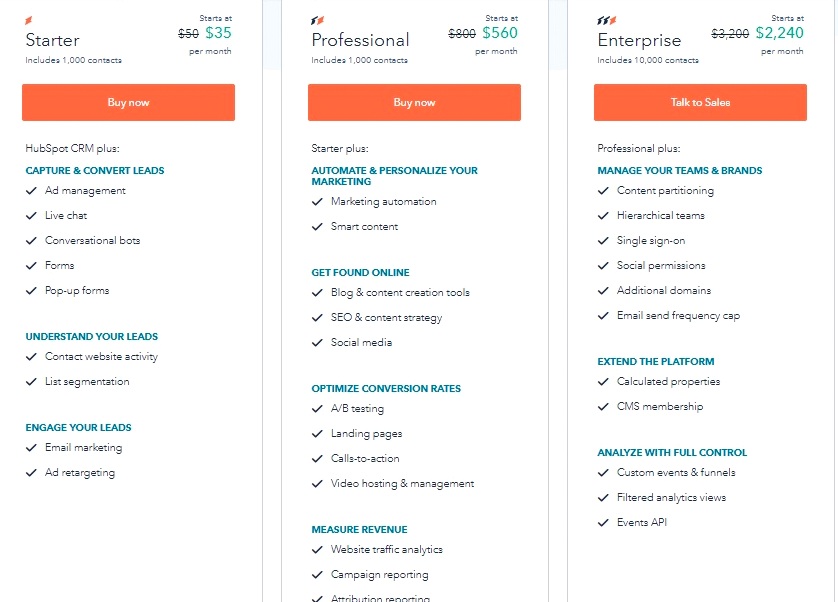
- HubSpot CRM: Offers a free version with paid plans for additional features and users.
- Zoho CRM: Provides tiered pricing with modules that can be added as needed.
Feature Comparison
| CRM Platform | Lead Management | Sales Forecasting | Customer Service Tools |
|---|---|---|---|
| Salesforce CRM | Advanced lead tracking and scoring | Detailed sales analytics and predictions | Integrated service cloud for customer support |
| HubSpot CRM | Lead capture forms and lead nurturing | Basic sales reporting and pipeline tracking | Help desk and ticketing system |
| Zoho CRM | Lead assignment and routing | Forecasting based on sales history | Multi-channel support and social media integration |
Scalability Options
- Salesforce CRM: Highly scalable with the ability to add users and features as the business grows.
- HubSpot CRM: Limited scalability compared to Salesforce, better suited for small to medium-sized businesses.
- Zoho CRM: Flexible scalability with the option to add modules and customize the CRM as needed.
Real-world Example
Company XYZ switched from Salesforce CRM to HubSpot CRM due to budget constraints and found HubSpot’s user-friendly interface and affordability better suited to their needs. The outcome was improved efficiency and cost savings for the company.
Cost-benefit analysis
When considering the cost of implementing Salesforce CRM, it is essential to conduct a thorough cost-benefit analysis to determine the return on investment. By evaluating both the tangible and intangible benefits, businesses can justify the initial cost of the CRM platform.
Tangible Benefits
- Increased Sales Revenue: Salesforce CRM can help businesses streamline their sales processes, resulting in higher conversion rates and increased revenue.
- Cost Savings: By automating various tasks and workflows, businesses can reduce operational costs and improve overall efficiency.
- Improved Customer Satisfaction: With better access to customer data and insights, businesses can provide more personalized and effective customer service.
Intangible Benefits
- Enhanced Decision-Making: Salesforce CRM provides valuable analytics and reporting tools that can help businesses make informed decisions based on real-time data.
- Increased Employee Productivity: By centralizing customer information and communication, employees can work more efficiently and collaboratively.
- Scalability and Flexibility: Salesforce CRM can grow with your business and adapt to changing needs, ensuring long-term value.
Case Studies
Many businesses across various industries have seen significant ROI after implementing Salesforce CRM. For example, a retail company saw a 30% increase in sales within the first year of using Salesforce CRM due to improved lead management and customer insights. Additionally, a tech startup reported a 25% reduction in customer acquisition costs and a 20% increase in customer retention after implementing Salesforce CRM.
Budgeting for Salesforce CRM
Creating a budget specifically for Salesforce CRM is crucial for effective cost management and resource allocation. Let’s explore how businesses can successfully estimate and allocate costs for CRM implementation while emphasizing the importance of regular budget reviews.
Estimating and Allocating Costs
- Start by identifying the key components of Salesforce CRM implementation, such as software licenses, customization, training, and ongoing support.
- Estimate the upfront costs, including initial setup fees and any additional hardware or software requirements.
- Allocate a portion of the budget for ongoing subscription fees, user licenses, and potential scalability costs as your business grows.
- Consider the cost of data migration, integration with existing systems, and any third-party applications that may be needed.
Importance of Regular Budget Reviews
Regularly reviewing and adjusting your budget is essential to control costs effectively and ensure that resources are allocated optimally.
- Conduct periodic reviews to track actual expenses against the budgeted amounts and identify any discrepancies or overspending.
- Adjust the budget as needed based on changing business requirements, emerging trends, or unexpected expenses that may arise during the CRM implementation process.
- Involve key stakeholders in the budget review process to gain valuable insights and ensure alignment with overall business goals and objectives.
Negotiating pricing with Salesforce
When it comes to negotiating pricing with Salesforce, there are several strategies you can employ to secure better pricing or discounts. It’s essential to approach these negotiations strategically to get the best deal possible for your business.
Leverage Your Business Value
- Highlight the value your business brings to the table, showcasing your potential for growth and long-term partnership with Salesforce. This can strengthen your negotiation position and justify why you deserve better pricing.
- Emphasize how Salesforce’s solutions can help your business achieve its goals and overcome challenges, demonstrating a clear ROI that justifies the investment.
Competitor Pricing Comparison
- Research and gather information on competitor pricing to leverage during your negotiations with Salesforce. Showing that you are aware of the market rates can put you in a better position to negotiate for more competitive pricing.
- Use competitor pricing as a benchmark to push for discounts or special deals, highlighting how Salesforce can offer more value at a comparable or lower cost.
Building Long-Term Relationships
- Focus on building a strong and collaborative relationship with Salesforce. By demonstrating your commitment to a long-term partnership, you can open the door to more favorable pricing agreements and ongoing support.
- Engage with Salesforce representatives regularly, providing feedback, sharing success stories, and exploring opportunities for growth together. This proactive approach can lead to customized pricing solutions that meet your specific needs.
Successful Negotiation Tactics
- Some businesses have successfully negotiated pricing with Salesforce by bundling services, committing to longer-term contracts, or leveraging volume discounts based on the scale of their operations.
- Exploring add-on services or features that align with your business objectives can also be a successful negotiation tactic, as it shows a willingness to invest in the full suite of Salesforce offerings.
Cost of maintenance and support
Maintaining and supporting Salesforce CRM involves ongoing expenses that are essential for the smooth operation and optimization of the system. Investing in these services can have a significant impact on the overall performance and efficiency of your CRM platform.
Value of investing in support services provided by Salesforce
- Regular updates and patches: Salesforce releases regular updates and patches to enhance security and functionality. Investing in support services ensures that your CRM is always up to date.
- Technical assistance: Having access to Salesforce’s technical support team can help resolve any issues or challenges quickly, minimizing downtime and disruptions to your business operations.
- Training and resources: Support services often include training sessions and resources to help users maximize the features and capabilities of Salesforce CRM.
Identifying cost-effective maintenance solutions
- Assess your needs: Evaluate the level of support required based on the complexity of your CRM implementation and the size of your organization.
- Compare service packages: Review the different support packages offered by Salesforce and choose the one that best fits your budget and requirements.
- Utilize self-service options: Take advantage of self-service resources and online communities provided by Salesforce to troubleshoot common issues independently.
- Consider outsourcing: If managing maintenance internally is not feasible, consider outsourcing to a third-party provider that specializes in Salesforce support services.
Scalability and cost implications
When considering scalability in the context of Salesforce CRM, it’s important to understand how it can impact the overall cost of using the platform. As your business grows and evolves, the need for additional features, users, or storage capacity may arise, leading to potential cost implications.
Impact of Scaling Up or Down
- Scaling up: Increasing the number of users, adding more functionalities, or expanding data storage can result in higher subscription costs. It’s essential to carefully assess the requirements and anticipate how scaling up could impact your budget.
- Scaling down: On the other hand, reducing the number of users or features may lead to cost savings. However, it’s crucial to consider any contractual obligations or minimum usage requirements that could affect the cost of scaling down.
Optimizing Costs while Scaling
- Regularly review usage: Keep track of user activity, feature utilization, and data storage to identify areas where optimization can lead to cost savings.
- Utilize automation: Implement automation tools and workflows to streamline processes and reduce manual efforts, potentially lowering operational costs associated with scaling.
- Monitor integrations: Evaluate the necessity of third-party integrations and assess their impact on costs. Removing redundant or underutilized integrations can help optimize expenses.
- Engage with Salesforce: Stay in communication with Salesforce representatives to explore cost-effective solutions, discounts, or alternative pricing models that align with your scaling requirements.
Total Cost of Ownership
In the context of Salesforce CRM, the total cost of ownership refers to all expenses associated with acquiring, implementing, customizing, maintaining, and supporting the CRM platform over its entire lifecycle.
Cost Components of Total Cost of Ownership
- Licensing and Subscription Costs: This includes the initial cost of purchasing Salesforce licenses and ongoing subscription fees based on the number of users and features required.
- Implementation and Customization Costs: Expenses related to setting up and configuring Salesforce to meet specific business needs, including integration with existing systems and data migration.
- Training and Support Costs: Investment in training programs for users and administrators, as well as ongoing support services provided by Salesforce or third-party vendors.
- Infrastructure Costs: Hardware, software, and network infrastructure required to support Salesforce operations, including servers, storage, and connectivity.
- Maintenance and Upgrade Costs: Regular maintenance, updates, and upgrades to ensure the CRM system remains secure, efficient, and up-to-date with the latest features and functionalities.
- Opportunity Costs: The potential revenue or productivity losses that may occur due to system downtime, inefficiencies, or user adoption challenges.
Cost management tools and resources
In today’s business landscape, effective cost management is crucial for optimizing expenses related to Salesforce CRM. Leveraging the right tools and resources can help businesses track, control, and optimize their CRM expenses effectively.
Financial management software and analytics tools
- Financial management software and analytics tools can provide valuable insights into Salesforce CRM expenses, helping businesses make informed decisions for cost optimization.
- These tools offer real-time data and analysis, allowing businesses to identify cost-saving opportunities and streamline their CRM expenses.
- By utilizing financial management software, businesses can track spending patterns, monitor budget allocations, and forecast future expenses accurately.
Staying informed about Salesforce pricing changes
- Regularly monitoring updates and changes in Salesforce pricing is essential for businesses to adapt their cost management strategies accordingly.
- Subscribing to Salesforce newsletters, attending webinars, and engaging with Salesforce community forums can help businesses stay informed about pricing changes and updates.
- Setting up alerts for pricing updates within Salesforce CRM can also ensure that businesses are aware of any modifications that may impact their expenses.
Budget tracking within Salesforce CRM
- Businesses can set up budget tracking features within Salesforce CRM to monitor expenses effectively and ensure adherence to financial goals.
- By establishing budget limits for different CRM activities and departments, businesses can track spending in real-time and identify areas for cost optimization.
- Regularly reviewing budget reports and analyzing expense trends within Salesforce CRM can help businesses make data-driven decisions to reduce costs and improve efficiency.
Cost analysis within Salesforce CRM
- Conducting a cost analysis within Salesforce CRM involves evaluating expenses across different CRM modules, functionalities, and user activities to identify areas for cost-saving and optimization.
- Businesses can analyze usage metrics, subscription costs, customization expenses, and support fees to pinpoint areas where costs can be reduced or optimized.
- By leveraging cost analysis tools within Salesforce CRM, businesses can track expenses, identify inefficiencies, and implement strategies to enhance cost management effectively.
Comparison of cost management tools
- There are various cost management tools available in the market that cater to Salesforce CRM users, each offering unique features and functionalities for expense monitoring and optimization.
- Businesses can compare tools based on factors such as real-time reporting, customizable dashboards, integration capabilities, and scalability to choose the most suitable option for their cost management needs.
- Popular cost management tools for Salesforce CRM users include FinancialForce, Apptus, and Krow Software, each offering diverse solutions for tracking and controlling CRM expenses.
Integrating Salesforce CRM with accounting software
- Integrating Salesforce CRM with popular accounting software such as QuickBooks, Xero, or Sage can streamline cost management processes by syncing financial data, invoices, and expenses seamlessly.
- By integrating CRM and accounting systems, businesses can automate expense tracking, invoice generation, and financial reporting, enhancing efficiency and accuracy in cost management.
- Automated data synchronization between Salesforce CRM and accounting software eliminates manual data entry errors, improves data visibility, and ensures financial data integrity for effective cost management.
Last Point
In conclusion, understanding Salesforce CRM cost is pivotal in maximizing the value of your CRM implementation. By implementing the right strategies and grasping the intricacies of pricing, you can ensure a cost-effective and efficient CRM solution for your business needs.
