At the forefront of modern customer relationship management, CRM with AI Chatbot Integration revolutionizes how businesses engage with their customers. By seamlessly blending AI technology with CRM systems, companies can offer personalized and efficient customer interactions, leading to improved customer satisfaction and loyalty. Let’s delve into the world of CRM with AI Chatbot Integration and discover the endless possibilities it brings to the table.
Overview of CRM with AI Chatbot Integration
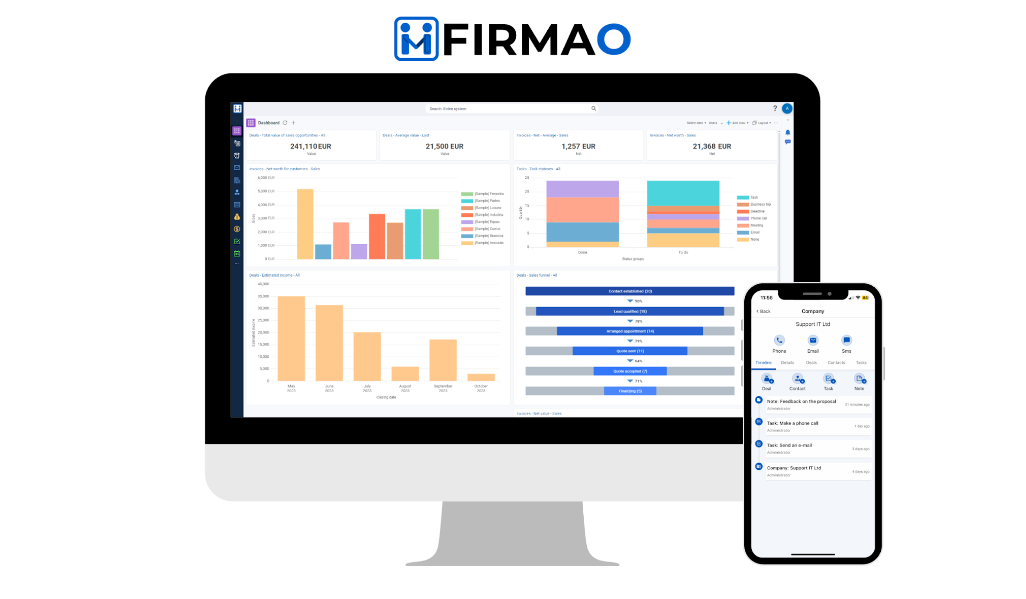
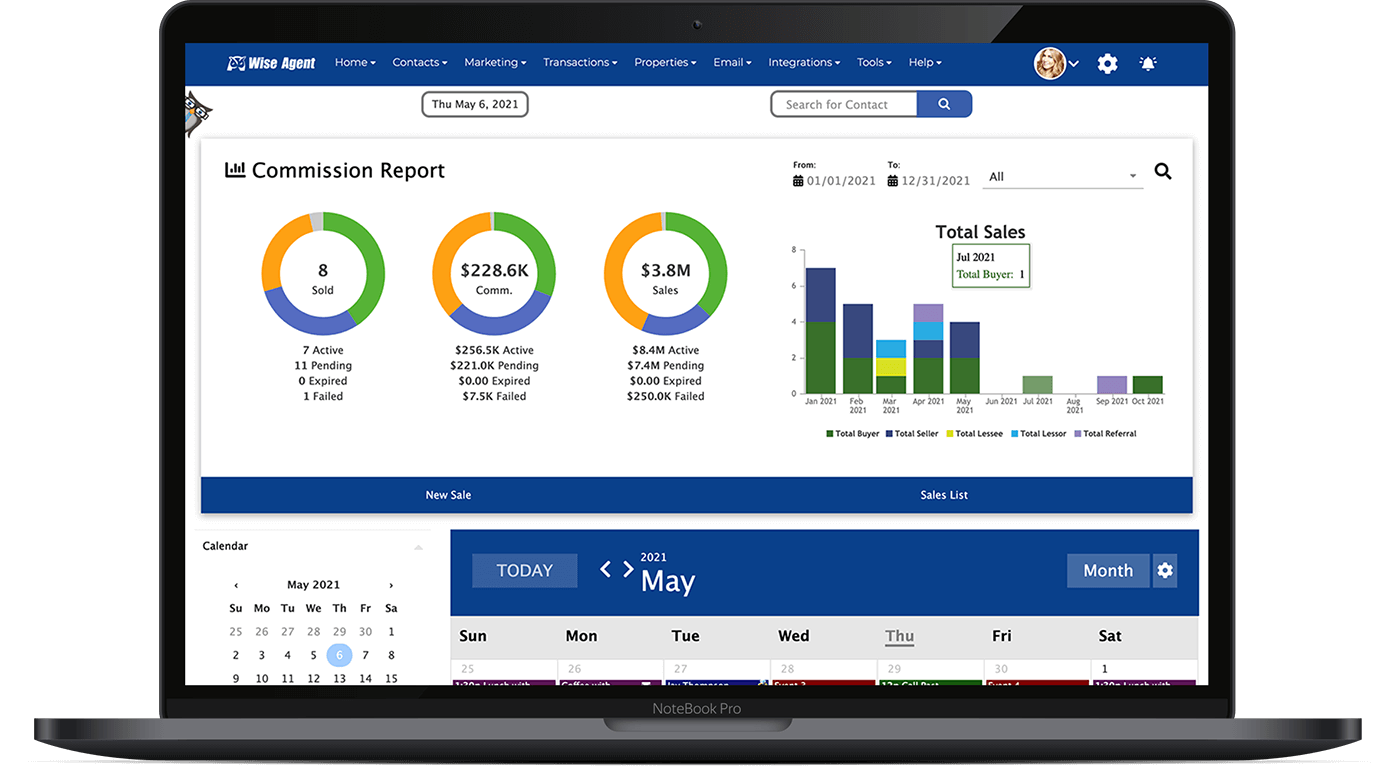
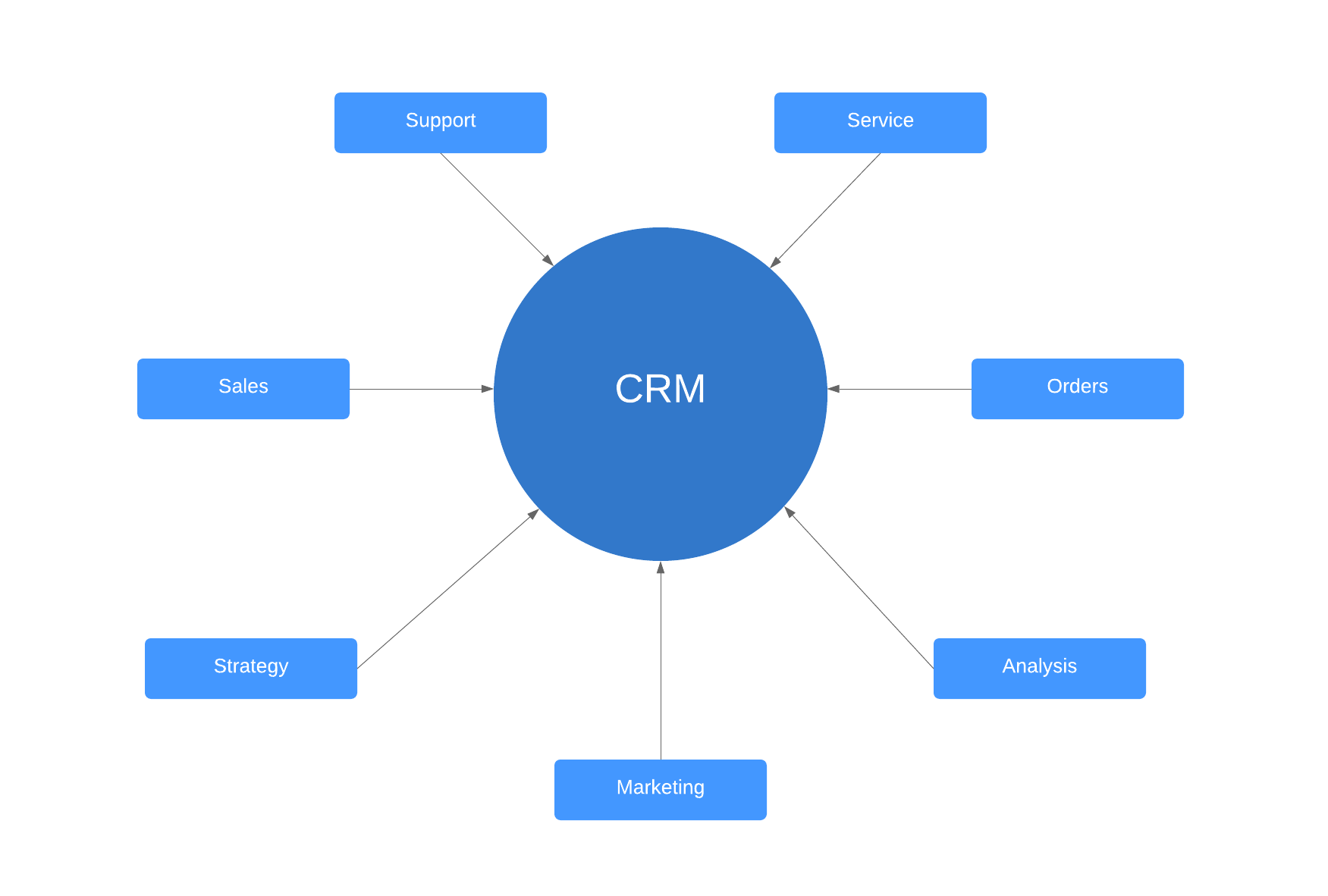
Customer Relationship Management (CRM) is a strategy used by businesses to manage interactions with current and potential customers. It involves analyzing customer data to improve relationships and drive sales. On the other hand, AI chatbots are computer programs that use artificial intelligence to simulate conversations with users, providing instant responses and assistance.

How CRM and AI Chatbots Work Together
CRM systems can be enhanced by integrating AI chatbots, as these chatbots can handle customer inquiries, provide personalized recommendations, and even assist with transactions. By leveraging AI technology, CRM systems can automate routine tasks, provide 24/7 customer support, and gather valuable data on customer behavior and preferences.
Benefits of Integrating AI Chatbots into CRM Systems
- Improved Customer Service: AI chatbots can provide instant responses to customer inquiries, leading to faster issue resolution and higher customer satisfaction.
- Cost Efficiency: By automating customer interactions, businesses can reduce the need for human agents and lower operational costs.
- Personalized Interactions: AI chatbots can analyze customer data to provide personalized recommendations and offers, enhancing the overall customer experience.
- Data Collection and Analysis: AI chatbots integrated into CRM systems can gather valuable data on customer behavior and preferences, helping businesses make informed decisions and tailor their marketing strategies.
Importance of AI Chatbots in CRM
AI chatbots play a crucial role in enhancing customer relationship management systems by providing efficient and personalized interactions with customers. Let’s explore the significance of AI chatbots in CRM:
Impact on Lead Generation
AI chatbots have revolutionized lead generation in CRM systems by engaging with website visitors in real-time. These chatbots can qualify leads based on pre-defined criteria, ensuring that sales teams focus their efforts on high-potential prospects. This proactive approach not only saves time but also increases the likelihood of converting leads into customers.
Customer Segmentation and Targeted Marketing
AI chatbots are instrumental in customer segmentation for targeted marketing strategies. By analyzing customer data and interactions, chatbots can categorize customers into specific segments based on preferences, behavior, and demographics. This allows businesses to tailor their marketing campaigns and offers to each segment, resulting in higher conversion rates and customer satisfaction.
Comparison with Traditional Customer Support Methods
When comparing traditional customer support methods with AI chatbot-enabled support in CRM, the benefits are clear. AI chatbots provide instant responses to customer queries, 24/7 availability, and the ability to handle multiple conversations simultaneously. This efficiency not only improves customer satisfaction but also reduces response times and operational costs for businesses.
Analyzing Customer Feedback and Sentiment
AI chatbots play a crucial role in analyzing customer feedback and sentiment for CRM improvement. By monitoring and analyzing customer interactions, chatbots can identify patterns, trends, and areas for improvement in products or services. This valuable feedback can help businesses make data-driven decisions to enhance customer experience and drive business growth.
Features of CRM with AI Chatbot Integration
CRM systems with AI chatbot integration offer a range of features that enhance customer interactions and streamline processes. These key features play a crucial role in improving customer service and overall efficiency.
Real-time Customer Support
- AI chatbots provide instant responses to customer queries, ensuring round-the-clock support.
- CRM systems can route complex issues to human agents while chatbots handle routine inquiries.
Personalized Recommendations
- AI chatbots analyze customer data to offer personalized product recommendations and promotions.
- CRM systems track customer preferences and purchase history to tailor suggestions accordingly.
Automated Data Entry
- AI chatbots can automatically update customer information in the CRM system, saving time and reducing manual data entry errors.
- CRM platforms with AI integration ensure that data is consistently accurate and up-to-date.
Lead Qualification
- AI chatbots can engage with leads, qualify them based on predefined criteria, and route qualified leads to sales representatives.
- CRM systems with AI chatbot integration help prioritize leads for more effective sales strategies.
Enhancing Customer Engagement with AI Chatbots
Customer engagement is crucial in CRM as it helps build relationships and drive business growth. AI chatbots play a significant role in enhancing customer engagement by providing personalized interactions and instant responses. Let’s explore some strategies for leveraging AI chatbots to engage customers effectively.
Personalized Interactions
AI chatbots can engage customers effectively by providing tailored recommendations based on their preferences and past interactions. By analyzing customer data, AI chatbots can offer personalized product suggestions, promotions, and content, making the customer feel valued and understood.
24/7 Availability
AI chatbots can engage customers round the clock, providing instant responses to queries and concerns even outside business hours. This ensures that customers receive timely assistance and support, leading to enhanced satisfaction and loyalty.
Proactive Engagement
AI chatbots can initiate conversations with customers, proactively reaching out to offer assistance or gather feedback. By engaging customers before they even ask for help, AI chatbots can anticipate their needs and provide a seamless experience, ultimately boosting customer satisfaction.
Examples of Successful Customer Engagement Initiatives
- Netflix uses AI chatbots to recommend personalized movie and TV show suggestions based on viewing history, enhancing customer engagement and retention.
- Sephora’s AI chatbot assists customers in finding the right beauty products through interactive quizzes and personalized recommendations, leading to increased customer satisfaction and loyalty.
Role of AI Chatbots in Improving Customer Satisfaction and Loyalty
AI chatbots play a crucial role in improving customer satisfaction and loyalty by providing instant support, personalized interactions, and proactive engagement. By delivering exceptional customer experiences, AI chatbots help businesses build lasting relationships with customers, driving loyalty and repeat business.
Integrating AI Chatbots into Sales Processes
AI chatbots play a crucial role in streamlining sales processes within CRM systems by providing immediate assistance to potential customers, answering queries, and guiding them through the sales funnel. This integration enhances the overall customer experience and increases the efficiency of sales teams.
Impact on Lead Generation and Conversion Rates
- AI chatbots significantly impact lead generation by engaging with website visitors in real-time, capturing leads, and qualifying them based on predefined criteria.
- Moreover, AI chatbots can personalize interactions, recommend products or services based on customer preferences, and ultimately increase conversion rates.
Best Practices for Incorporating AI Chatbots into Sales Teams’ Workflows
- Integrate AI chatbots seamlessly into the existing CRM system to ensure smooth communication and data synchronization.
- Train sales teams on how to leverage AI chatbots effectively, including understanding their capabilities, setting up automated responses, and monitoring conversations.
Successful Implementation Examples
- Company A integrated an AI chatbot on their e-commerce website, resulting in a 30% increase in lead generation and a 15% boost in conversion rates within the first month.
- Company B implemented AI chatbots on their social media platforms, leading to a 20% reduction in response time and a 25% increase in customer engagement.
Effectiveness in Different Sales Channels
- AI chatbots show promising results in online sales channels by providing 24/7 support, personalized recommendations, and instant responses to customer queries.
- In mobile sales channels, AI chatbots enhance the mobile shopping experience by guiding users through product selection, payment processes, and order tracking.
- On social media platforms, AI chatbots improve customer engagement by initiating conversations, offering promotions, and addressing customer concerns promptly.
Key Metrics for Evaluating AI Chatbots Performance in Sales
- Conversion rates: Measure the percentage of leads generated by AI chatbots that result in actual sales.
- Response time: Track how quickly AI chatbots respond to customer queries or issues.
- Customer satisfaction: Gather feedback from customers interacting with AI chatbots to evaluate their satisfaction levels.
Customization Options for Tailoring AI Chatbots to Specific Sales Strategies
- Customize AI chatbots’ responses based on customer preferences, buying history, and behavior patterns to provide personalized recommendations.
- Integrate AI chatbots with CRM data to access customer information and offer targeted promotions or discounts.
Improving Data Management with AI Chatbot Integration
AI chatbots play a crucial role in enhancing data management within CRM systems. By automating various tasks related to customer data, they contribute to streamlining processes and ensuring data accuracy.
Role of AI Chatbots in Data Entry, Updating, and Maintenance
- AI chatbots assist in data entry by capturing essential customer information during interactions, reducing manual input errors.
- They facilitate real-time updating of customer data by syncing information across platforms and databases, ensuring data consistency.
- AI chatbots help in maintaining data integrity by performing regular checks, identifying discrepancies, and prompting necessary corrections.
Importance of Data Security and Privacy
- Ensuring data security and privacy is paramount when leveraging AI chatbots in CRM to handle sensitive customer information.
- Implementing robust encryption protocols and access controls is essential to safeguard data from unauthorized access or breaches.
- Regular audits and compliance checks should be conducted to maintain data security standards and adhere to regulations.
Customizing AI Chatbots for CRM
Customizing AI chatbots for CRM involves tailoring them to specific requirements to enhance personalized customer experiences.
Methods for Tailoring AI Chatbots to Meet Specific CRM Requirements
- Customizing chatbot responses based on customer preferences and past interactions.
- Integrating AI chatbots with CRM data to provide tailored recommendations.
- Developing unique conversational flows to address specific customer inquiries.
Importance of Customization in Delivering Personalized Customer Experiences
Customization is crucial in CRM as it allows businesses to provide tailored solutions to meet individual customer needs and preferences.
Examples of Industries Benefiting from Customized AI Chatbots in CRM
Companies in the retail sector use customized chatbots to recommend products based on customer purchase history.
Integrating AI Chatbots with Existing CRM Systems for Seamless Customer Interactions
- Syncing chatbot data with CRM platforms for a unified view of customer interactions.
- Ensuring seamless communication between chatbots and CRM systems for efficient customer support.
Key Factors to Consider When Designing AI Chatbots for CRM Applications
- Understanding customer behavior and preferences to tailor chatbot responses.
- Ensuring data privacy and security measures are in place for CRM integration.
- Regularly updating chatbot algorithms to improve accuracy and relevance.
Best Practices for Training AI Chatbots to Understand and Respond to Customer Inquiries Effectively
- Provide comprehensive training data to improve chatbot understanding of customer queries.
- Implement continuous learning mechanisms to enhance chatbot responses over time.
- Monitor chatbot interactions and gather feedback to refine responses and improve customer satisfaction.
Impact of Personalized Recommendations Generated by AI Chatbots on Customer Satisfaction and Retention Rates
Personalized recommendations from AI chatbots can significantly boost customer satisfaction and retention rates by offering tailored solutions that meet individual needs.
Training AI Chatbots for CRM Success
Training AI chatbots to operate effectively within CRM environments is essential for maximizing their potential in enhancing customer interactions and user experience. By focusing on accuracy, responsiveness, and continuous learning, AI chatbots can significantly improve CRM outcomes.
Tips for Improving AI Chatbots’ Accuracy and Responsiveness
- Provide diverse training data: Ensure that AI chatbots are exposed to a wide range of customer queries, responses, and scenarios to improve their understanding and accuracy.
- Implement natural language processing (NLP): Utilize NLP techniques to help AI chatbots interpret and respond to customer queries more effectively, enhancing responsiveness.
- Regularly update chatbot knowledge base: Keep AI chatbots up-to-date with the latest information and trends to ensure accurate and relevant responses to customer inquiries.
- Monitor and analyze interactions: Regularly review chatbot interactions to identify areas for improvement and optimize responses for better accuracy and customer satisfaction.
The Role of Continuous Learning and Feedback in Enhancing AI Chatbots for CRM
- Implement feedback loops: Encourage users to provide feedback on chatbot interactions to identify areas for improvement and adjust training algorithms accordingly.
- Utilize machine learning algorithms: Implement machine learning models to enable AI chatbots to continuously learn from new data and improve their performance over time.
- Personalize responses based on user interactions: Tailor chatbot responses to individual user preferences and behaviors to enhance engagement and overall customer experience.
- Integrate with CRM analytics: Leverage CRM analytics to track chatbot performance metrics and identify opportunities for further training and enhancement.
Integration Challenges and Solutions
Integrating AI chatbots into CRM systems can pose several challenges that need to be addressed strategically to ensure a seamless and efficient process. These challenges can range from technical issues to data synchronization complexities, impacting the overall performance of AI chatbots in CRM.
Common Integration Challenges
- Lack of API Compatibility: Ensuring that the AI chatbot and CRM systems have compatible APIs is crucial for successful integration.
- Data Mapping and Synchronization: Mapping and synchronizing data between the chatbot and CRM databases can be complex and time-consuming.
- Real-time Data Exchange: Establishing a system for real-time data exchange is essential for enhancing customer interactions and providing up-to-date information.
Solutions and Strategies
- API Compatibility Testing: Conduct thorough testing to verify API compatibility between the AI chatbot and CRM systems before integration.
- Automated Data Mapping Tools: Utilize automated tools to assist in data mapping and synchronization, streamlining the process and reducing errors.
- Implement Real-time Data Integration: Deploy mechanisms for real-time data exchange to ensure timely updates and personalized customer interactions.
Importance of Seamless Integration
Seamless integration is crucial for maximizing the benefits of AI chatbots in CRM. It enables a smooth flow of information, enhances user experience, and improves overall efficiency in customer interactions.
Role of API Compatibility
API compatibility plays a significant role in ensuring a smooth integration process between AI chatbots and CRM systems. It allows for seamless communication and data exchange, facilitating a more cohesive and interconnected system.
Data Mapping and Synchronization Process
The steps involved in data mapping and synchronization during integration include identifying data sources, mapping fields, defining data relationships, and establishing synchronization protocols. This process ensures that data flows accurately between the AI chatbot and CRM systems.
Real-time Data Exchange Benefits
Real-time data exchange between AI chatbots and CRM systems enables immediate access to updated information, personalized responses, and timely insights for enhanced customer interactions. It fosters a dynamic and responsive environment to meet customer needs effectively.
Measuring Success and ROI of AI Chatbot Integration
AI chatbots have become an integral part of CRM systems, offering businesses a way to enhance customer interactions and streamline processes. When it comes to measuring the success and return on investment (ROI) of AI chatbot integration, there are specific metrics and key performance indicators (KPIs) that can be used to evaluate their impact.
Metrics for Evaluating Success
- Customer Satisfaction Scores: Measure the satisfaction levels of customers who have interacted with the AI chatbot to gauge its effectiveness in addressing their needs.
- Response Time: Evaluate the speed at which the AI chatbot is able to respond to customer queries or issues, as quicker responses often lead to higher customer satisfaction.
- Resolution Rate: Assess the percentage of customer queries or issues that are successfully resolved by the AI chatbot without the need for human intervention.
Calculating ROI of AI Chatbot Integration
- Cost Savings: Compare the costs associated with implementing and maintaining the AI chatbot with the savings generated from reduced customer service expenses or increased sales efficiency.
- Revenue Generation: Analyze the impact of the AI chatbot on sales conversions, upselling opportunities, and overall revenue growth to determine its contribution to the bottom line.
- Customer Retention: Measure the effect of the AI chatbot on customer retention rates and lifetime value to assess its long-term impact on profitability.
Key Performance Indicators (KPIs)
- Conversion Rate: Track the percentage of leads or inquiries that are converted into sales through interactions with the AI chatbot.
- Engagement Metrics: Monitor the level of engagement with the AI chatbot, such as the number of interactions, session duration, and repeat visits.
- Cost per Interaction: Calculate the cost incurred for each customer interaction handled by the AI chatbot to evaluate its efficiency and cost-effectiveness.
Future Trends in CRM with AI Chatbot Integration
As technology continues to advance, the future of CRM with AI chatbot integration looks promising, with several emerging trends shaping the landscape of customer relationship management. Let’s explore some of the key developments that are expected to influence the evolution of AI chatbots in CRM systems.
Advancements in AI Chatbot Capabilities
AI chatbots are likely to become more sophisticated in their interactions, thanks to advancements in natural language processing and machine learning algorithms. This will enable them to better understand and respond to customer queries, providing more personalized and efficient support.
Personalized Customer Interactions
The future of CRM with AI chatbots will focus on delivering highly personalized customer interactions. By leveraging customer data and AI capabilities, chatbots will be able to offer tailored recommendations, anticipate customer needs, and create more engaging experiences.
Voice Recognition Technology
Voice recognition technology is expected to play a significant role in enhancing AI chatbot interactions within CRM platforms. This will enable customers to engage with chatbots using voice commands, making the interaction more natural and intuitive.
Successful AI Chatbot Implementations
Industries such as e-commerce, healthcare, and banking have already seen successful AI chatbot implementations in CRM. These chatbots have helped streamline customer support, automate processes, and improve overall customer satisfaction.
Benefits of AI Chatbots vs Traditional CRM
The benefits of using AI chatbots in CRM include 24/7 availability, faster response times, scalability, and cost-effectiveness. Compared to traditional CRM methods, AI chatbots offer a more efficient and personalized way to engage with customers.
Industry Use Cases of CRM with AI Chatbot Integration
In today’s digital age, various industries are leveraging AI chatbots in CRM to streamline processes, enhance customer experiences, and drive business growth. Let’s explore some real-world examples of how different sectors are effectively integrating AI chatbots into their CRM systems.
Banking and Finance
- Many banks and financial institutions use AI chatbots in CRM to provide personalized customer service, offer financial advice, and facilitate seamless transactions.
- AI chatbots in this sector help in lead generation by identifying potential clients based on their financial needs and preferences.
- These chatbots also play a crucial role in enhancing customer retention through proactive engagement and personalized recommendations.
Retail and E-commerce
- Retailers and e-commerce platforms utilize AI chatbots to provide real-time assistance to customers, recommend products, and resolve queries promptly.
- AI chatbots in CRM systems analyze customer data to offer personalized shopping experiences, boosting sales and customer satisfaction.
- These chatbots also contribute to lead generation by capturing customer preferences and behavior to tailor marketing campaigns effectively.
Healthcare
- In the healthcare industry, AI chatbots integrated into CRM systems help patients schedule appointments, receive medical advice, and access healthcare information conveniently.
- AI chatbots streamline administrative tasks, such as appointment reminders and insurance verification, improving operational efficiency.
- By personalizing patient interactions and providing round-the-clock support, AI chatbots enhance patient engagement and overall healthcare experience.
Telecommunications
- Telecom companies leverage AI chatbots in CRM to handle customer inquiries, troubleshoot technical issues, and offer tailored service recommendations.
- AI chatbots assist in lead generation by identifying potential upgrades or service packages based on customer usage patterns and preferences.
- These chatbots play a vital role in improving customer retention by providing proactive support and personalized solutions to enhance user loyalty.
Regulatory Compliance and Ethics in AI Chatbot Integration
In the realm of AI chatbot integration within CRM systems, regulatory compliance and ethical considerations play a crucial role in ensuring the protection of customer data and maintaining trust in automated interactions.
Importance of Data Protection Regulations
- Complying with data protection regulations like GDPR and CCPA is essential to safeguarding customer information and preventing unauthorized access or misuse.
- Failure to adhere to these regulations can result in hefty fines, damage to reputation, and loss of customer trust, ultimately impacting the success of CRM initiatives.
- Implementing robust data protection measures not only ensures legal compliance but also fosters a culture of transparency and accountability in AI chatbot interactions.
Ethical Considerations in AI Chatbot Interactions
- Issues of bias in AI algorithms must be addressed to prevent discrimination or unfair treatment of customers based on factors like race, gender, or socioeconomic status.
- Respecting customer privacy by limiting data collection to what is necessary for providing services and obtaining explicit consent for processing sensitive information is paramount in ethical AI chatbot integration.
- Transparency in AI chatbot interactions, including informing users about data usage, providing options for opting out of automated interactions, and ensuring clear communication of AI’s limitations, is crucial for building trust and maintaining ethical standards.
Best Practices for Transparency and Accountability
- Provide clear and concise information about how customer data is used, stored, and protected within the CRM system to promote transparency and user awareness.
- Implement mechanisms for users to easily opt-out of automated interactions with AI chatbots, respecting their preferences and ensuring a user-centric approach to communication.
- Regularly review and audit AI chatbot algorithms for bias, errors, or unethical behavior, taking proactive steps to address any issues that may arise and maintaining accountability in AI-driven customer interactions.
User Experience Design for AI Chatbots in CRM
User experience design plays a crucial role in ensuring that AI chatbots in CRM provide seamless interactions for customers. Here are some key principles and tips for optimizing user experience and engagement through AI chatbot interfaces in CRM:
Creating a Conversational Tone
- Use language that is natural and conversational to make interactions more engaging.
- Avoid jargon or technical terms that may confuse customers.
- Personalize responses based on the customer’s input to enhance the conversational experience.
Personalizing Interactions
- Utilize customer data to tailor responses and recommendations to individual preferences.
- Offer personalized product suggestions or promotions based on past interactions.
- Enable customers to easily access their account information or order history through the chatbot.
Incorporating Human-Like Empathy
- Include empathetic responses to customer queries or issues to show understanding and concern.
- Use phrases like “I understand how you feel” or “I’m here to help” to convey empathy.
- Add a human touch to the interactions to make customers feel valued and appreciated.
Using Data Analytics for Performance Improvement
- Analyze customer interactions and feedback to identify areas for improvement in the chatbot’s responses.
- Track metrics such as response time, resolution rate, and customer satisfaction to measure performance.
- Implement changes based on data insights to enhance the overall customer experience with the chatbot.
Impact of Multichannel Integration
- Integrate AI chatbots across multiple channels such as website chat, social media, and messaging apps for a seamless customer journey.
- Ensure consistent messaging and responses across all channels to provide a unified customer experience.
- Allow customers to switch between channels while maintaining the context of the conversation for convenience.
Successful AI Chatbot Implementations
- Amazon’s Alexa for CRM offers a personalized and intuitive voice interface for customer interactions.
- Salesforce’s Einstein AI chatbot provides predictive analytics and personalized recommendations for sales teams.
- Nordstrom’s virtual shopping assistant uses AI chatbots to guide customers through product selection and purchasing decisions.
Implementation Strategies for CRM with AI Chatbot Integration
When implementing AI chatbots into existing CRM systems, it is essential to have a well-thought-out strategy to ensure a successful integration. Considerations must be made to choose the right AI chatbot solution for CRM and to facilitate a smooth transition and adoption of AI chatbots in CRM workflows.
Steps for Implementing AI Chatbots into Existing CRM Systems
- Assess CRM Needs: Identify areas in the CRM system where AI chatbots can add value, such as customer support, lead generation, or data analysis.
- Choose the Right AI Chatbot Solution: Select a chatbot platform that aligns with your CRM requirements and integrates seamlessly with your existing systems.
- Train the Chatbot: Provide adequate training data and scenarios to the AI chatbot to ensure it understands and responds effectively to customer queries.
- Integration Testing: Conduct thorough testing to ensure that the AI chatbot functions correctly within the CRM environment and provides accurate information.
- Monitor Performance: Regularly monitor the AI chatbot’s performance, gather feedback, and make necessary adjustments to improve its functionality.
Considerations for Choosing the Right AI Chatbot Solution for CRM Integration
- Scalability: Ensure that the AI chatbot solution can scale with the growth of your CRM system and adapt to increasing customer interactions.
- Customization: Look for a chatbot platform that allows for customization to meet the specific needs and branding of your organization.
- Integration Capabilities: Choose a solution that offers seamless integration with your CRM system and other tools to streamline workflows.
Best Practices for Ensuring a Smooth Transition and Adoption of AI Chatbots in CRM Workflows
- Provide Training: Educate employees on how to interact with the AI chatbot and leverage its capabilities to enhance customer interactions.
- Communicate Benefits: Clearly communicate the benefits of AI chatbots in CRM, such as improved efficiency, enhanced customer service, and data insights.
- Feedback Mechanism: Establish a feedback mechanism to gather input from users and continuously improve the AI chatbot’s performance.
Summary
In conclusion, CRM with AI Chatbot Integration is a game-changer in the realm of customer relationship management. By harnessing the power of AI chatbots, businesses can elevate their customer interactions to new heights, ultimately driving growth and success. Embrace this innovative technology to stay ahead of the competition and nurture lasting relationships with your customers.
