CRM software cost is a crucial aspect for businesses looking to streamline their customer management processes. From factors influencing pricing to cost-saving strategies, this topic delves into the intricacies of CRM software expenses.
Factors affecting CRM software cost
When considering the cost of CRM software, there are several key factors that can influence the overall price. From customization requirements to pricing models and implementation costs, each aspect plays a significant role in determining the total expense of adopting a CRM system.
Customization Requirements
Customization is a crucial factor that can impact the cost of CRM software. Organizations with unique workflows or specific business needs may require extensive customization to tailor the CRM solution to their requirements. This customization process often involves additional development work, which can increase the overall cost of the software.
Pricing Models
CRM software vendors offer various pricing models, such as subscription-based, one-time payment, and usage-based pricing. Subscription-based models involve regular payments over time, while one-time payments require a lump sum upfront. Usage-based pricing fluctuates based on the level of usage or number of users. Understanding these different pricing structures is essential in determining the most cost-effective option for your organization.
Implementation Costs
Implementation costs associated with CRM software include expenses related to deployment, integration, data migration, and training. These costs can vary depending on the complexity of the implementation process and the level of support required from the vendor. It’s essential to budget for these implementation costs to ensure a successful CRM deployment.
Scalability
Scalability is another factor that influences the cost of CRM software. A scalable CRM solution can grow with your business, allowing you to add users, features, and functionality as needed. Investing in a scalable CRM system upfront can help reduce the need for costly upgrades or migrations in the future, ultimately saving money in the long run.
Integration with Other Systems
Integrating CRM software with other systems, such as ERP or marketing automation platforms, can impact the overall cost of the CRM implementation. Integration requires additional development work and may involve ongoing maintenance costs. It’s essential to consider these integration costs when evaluating CRM software options.
Training and Support Costs
Training and support costs are significant components of the total cost of ownership for CRM software. Providing proper training for users and ongoing support from the vendor are essential for maximizing the benefits of the CRM system. These costs should be factored into the budget to ensure a successful and sustainable CRM implementation.
Types of CRM software pricing
In the realm of CRM software pricing, there are various structures that companies can choose from based on their needs and budget. Understanding the different pricing models can help businesses make informed decisions when selecting a CRM solution.
Cloud-based vs. On-premise CRM Solutions
When it comes to CRM software pricing, one of the key considerations is whether to opt for a cloud-based or on-premise solution. Cloud-based CRM systems typically involve subscription-based pricing, where users pay a monthly or annual fee to access the software over the internet. On the other hand, on-premise CRM solutions require a one-time upfront cost for purchasing the software license, along with ongoing maintenance and support expenses. While cloud-based CRM software offers greater scalability, flexibility, and accessibility, on-premise solutions provide more control over data security and customization. Businesses need to weigh the cost implications and benefits of each option to determine the most suitable choice for their organization.
Free CRM Software, Open-source Options, and Premium Solutions
Apart from cloud-based and on-premise CRM solutions, businesses also have the option to choose from free CRM software, open-source options, and premium solutions. Free CRM software typically offers limited features and functionalities, making it suitable for small businesses or startups with basic CRM needs. Open-source CRM solutions, on the other hand, provide greater customization and flexibility since the source code is accessible for modification. However, these options may require additional development and support costs. Premium CRM solutions, while more expensive, offer a comprehensive set of features, advanced functionalities, and dedicated support services. Businesses need to evaluate their requirements, budget constraints, and long-term goals to select the CRM software pricing model that aligns best with their needs.
Hidden costs to consider
When budgeting for CRM software, it’s crucial to consider hidden costs that can often catch businesses off guard. These additional expenses can impact the overall cost and timeline of CRM implementation.
Training and Integration Costs
One of the commonly overlooked hidden costs is training employees to effectively use the CRM software. Training sessions, materials, and resources can add up, especially if the software requires extensive customization. Additionally, integration with existing systems and databases may incur costs for compatibility and data migration.
Maintenance and Support Expenses
After implementation, ongoing maintenance and support services are essential for the smooth functioning of CRM software. Subscription fees, updates, and upgrades can contribute to long-term costs that should be factored into the budget.
Customization Impact on Cost and Timeline
Customizing the CRM software to align with specific business processes can lead to additional expenses. Development hours, consultation fees, and testing can prolong the implementation timeline and increase the overall cost of the software.
Data Migration Resources
Data migration from legacy systems to the new CRM platform requires dedicated resources. The complexity of the data, the volume of information, and the need for data cleansing can all impact the cost and resources needed for a seamless transition.
Ongoing Updates and Upgrades
Regular updates and upgrades to the CRM software are essential for optimal performance and security. Businesses should allocate resources for these ongoing expenses to ensure the software remains up-to-date and efficient in the long run.
Cost-saving strategies for implementing CRM software
Implementing CRM software can be a significant investment for businesses, but there are several strategies to reduce costs without compromising quality. By optimizing CRM usage, negotiating discounts with vendors, and customizing software features, businesses can effectively manage expenses and maximize ROI.
Bundling services and negotiating discounts
- Consider bundling CRM software with other business tools or services to receive a discounted package deal.
- Negotiate with CRM vendors for volume discounts or special pricing based on the scale of your business.
- Explore long-term contracts or partnerships with vendors to secure lower rates over time.
Optimizing CRM usage
- Provide training for employees to ensure they are utilizing CRM software efficiently and effectively.
- Regularly review CRM data and processes to identify areas for optimization and cost reduction.
- Eliminate unnecessary features or modules that are not essential to your business operations.
Comparison chart and budget estimation
- Create a comparison chart of different CRM software options, including costs, features, and scalability.
- Develop a budget that outlines implementation costs, customization expenses, and ongoing maintenance fees.
Case studies and open-source options
- Explore case studies of successful CRM cost-saving strategies implemented by other businesses to learn best practices.
- Consider open-source CRM software options as a cost-effective alternative with customizable features and community support.
Factors to consider when budgeting for CRM software
When creating a budget plan for CRM software, several key factors need to be considered to ensure a successful implementation and maximize ROI. It is essential to prioritize features based on their impact on cost and return on investment (ROI) while aligning the budget with the organization’s long-term CRM strategy.
Step-by-step guide for creating a comprehensive budget plan
- Assess current CRM needs and pain points within the organization.
- Research and compare different CRM software options to determine the best fit.
- Identify essential features required for your organization’s specific needs.
- Evaluate the scalability and customization options offered by CRM solutions.
- Estimate the total cost of ownership, including implementation, training, and ongoing support.
Importance of aligning the budget with the organization’s long-term CRM strategy
By aligning the budget with the organization’s long-term CRM strategy, you can ensure that the selected CRM software meets current needs while accommodating future growth and changes in business processes.
- Consider the potential for integration with other systems and technologies.
- Factor in the cost of maintenance, upgrades, and additional user licenses.
- Allocate resources for user training and adoption to maximize the benefits of CRM software.
- Regularly review and adjust the budget to reflect changes in business priorities and CRM requirements.
Pricing transparency in CRM software
Transparency in pricing is crucial for customers when considering CRM software options. It allows potential buyers to understand the costs involved and make informed decisions based on their budget and needs.
Evaluating pricing structures
- Some CRM software vendors provide detailed breakdowns of their pricing, including base costs, additional features, and any potential add-ons.
- Others may have vague pricing information, making it challenging for customers to determine the total cost upfront.
- Customers should look for clear pricing structures that are easy to understand and compare across different providers.
Impact on customer trust and decision-making
- Transparent pricing builds trust with customers, as they feel confident in their understanding of what they are paying for.
- Customers are more likely to choose a CRM software provider with transparent pricing, as it demonstrates honesty and integrity in their business practices.
- Unclear pricing can lead to frustration and mistrust, potentially causing customers to look elsewhere for a more transparent option.
Examples of CRM software providers with transparent pricing
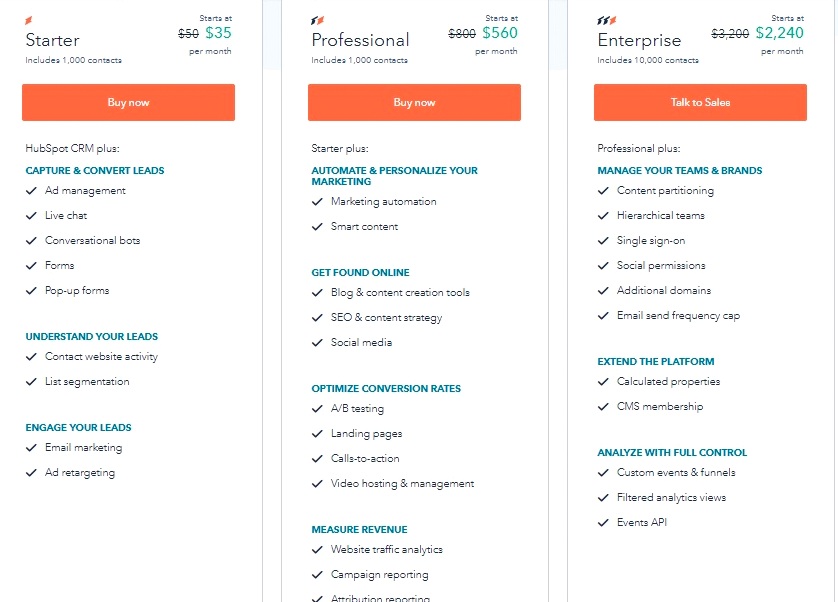
- HubSpot CRM: HubSpot offers transparent pricing on their website, detailing the features included in each pricing tier and any additional costs for add-ons.
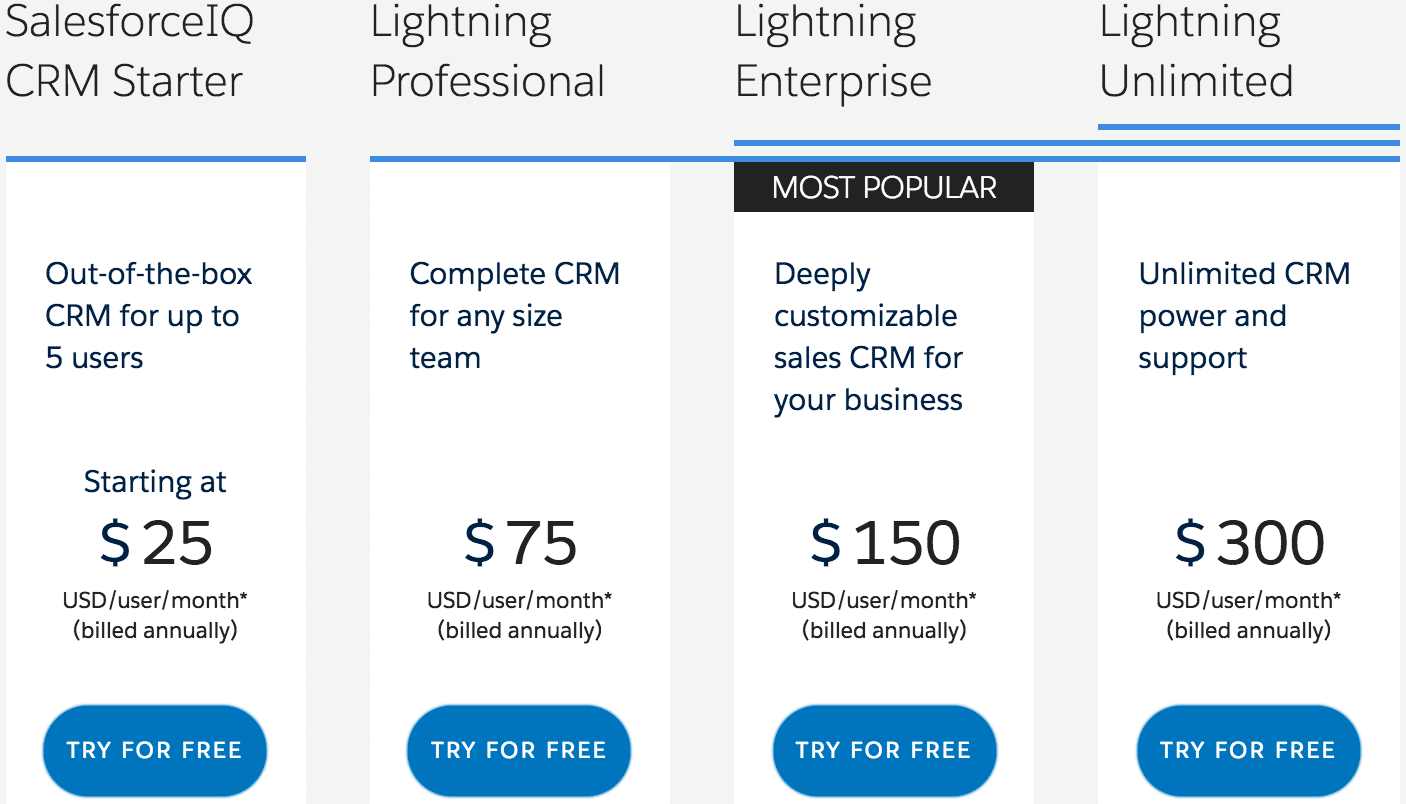
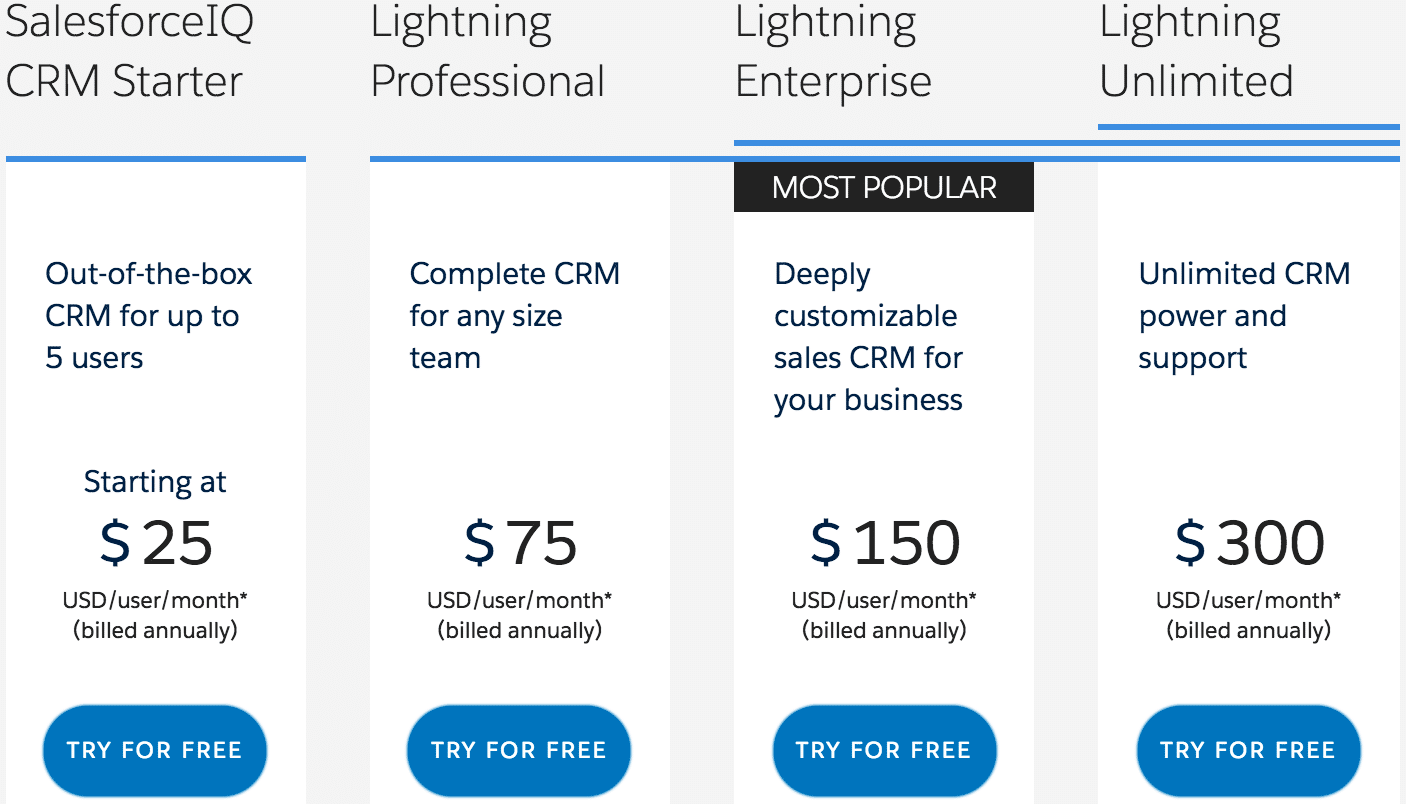
- Salesforce: Salesforce provides clear pricing information for their various products, making it easy for customers to compare options and make informed decisions.
- Zoho CRM: Zoho CRM has straightforward pricing plans with a breakdown of features and costs, allowing customers to choose the best option for their business.
Customization costs and benefits
Customization plays a crucial role in tailoring CRM software to meet specific business needs, but it also comes with associated costs. Let’s delve into the relationship between customization levels and CRM software costs, as well as the benefits that come with investing in tailored solutions.
Relationship between customization levels and CRM software costs
Customization levels in CRM software refer to the extent to which the software is modified to align with unique business requirements. As customization increases, so do the costs involved. This is because more complex customizations often require additional development time, expertise, and resources, driving up the overall implementation costs.
Trade-offs between customization expenses and system flexibility
While extensive customization can lead to higher upfront costs, it also offers greater system flexibility and functionality. Businesses must weigh the trade-offs between customization expenses and the long-term benefits of having a CRM solution that precisely meets their needs.
Case studies illustrating the ROI of investing in CRM software customization
Case studies showcasing the return on investment (ROI) of CRM software customization can provide valuable insights into the tangible benefits that businesses can achieve. These real-life examples demonstrate how tailored CRM solutions can improve efficiency, increase sales, and enhance customer satisfaction.
Impact of basic customization versus advanced customization on user adoption rates
Basic customization typically involves simple tweaks to the software interface or workflows, while advanced customization may involve complex integrations or module development. The level of customization can directly impact user adoption rates, with more tailored solutions often resulting in higher user engagement and satisfaction.
Long-term benefits of tailored CRM solutions in customer retention and satisfaction
Tailored CRM solutions have the potential to significantly impact customer retention and satisfaction. By customizing the software to better manage customer interactions, businesses can enhance customer experiences, foster loyalty, and ultimately drive revenue growth.
Role of user training and support in maximizing the benefits of CRM software customization
User training and ongoing support are critical elements in maximizing the benefits of CRM software customization. Ensuring that users are adequately trained on the customized features and providing continuous support can help optimize system usage, improve productivity, and enhance overall business outcomes.
Integration costs with other business systems
Integrating CRM software with existing business systems can incur additional costs, but the benefits of seamless integration can lead to improved operational efficiency and cost-effectiveness.
Costs associated with integration
- Customization fees for aligning CRM software with specific business processes and systems.
- Data migration costs to ensure smooth transfer of information between systems.
- Training expenses for employees to adapt to the integrated system.
Advantages of seamless integration
- Streamlined workflows and reduced manual data entry, saving time and reducing errors.
- Enhanced data visibility and accessibility across different departments for better decision-making.
- Improved customer experience through a unified view of customer interactions and data.
Best practices for minimizing integration costs
- Plan integration requirements in advance to avoid last-minute customization and rush fees.
- Choose CRM software that offers pre-built integrations with popular business systems to reduce customization needs.
- Work closely with vendors and consultants to streamline the integration process and minimize unexpected costs.
Upgrades and maintenance expenses
Regular upgrades and maintenance are essential aspects of managing CRM software effectively. These ongoing expenses are crucial for ensuring the software remains efficient, secure, and up-to-date.
Importance of regular updates
Regular updates play a significant role in maximizing the efficiency and security of CRM software. Updates often include bug fixes, new features, and enhancements that can improve performance and user experience. By staying current with updates, businesses can ensure that their CRM software operates smoothly and remains protected against potential security threats.
Cost-saving strategies for managing upgrades and maintenance
1. Prioritize critical updates: Focus on implementing essential updates that address security vulnerabilities or critical performance issues.
2. Automate update processes: Utilize automation tools to streamline the update process and reduce manual effort.
3. Negotiate maintenance contracts: Negotiate with CRM software providers for cost-effective maintenance contracts that meet your business needs.
4. Training and documentation: Invest in training programs and documentation to empower your team to handle routine maintenance tasks effectively.
5. Regular monitoring: Implement a proactive monitoring system to identify potential issues early and address them before they escalate.
Vendor Selection Criteria Based on Cost
When evaluating CRM software vendors from a cost perspective, there are several key factors to consider to ensure you are getting the best value for your investment. Pricing transparency, scalability, and overall value for money are crucial considerations when comparing different vendors. Additionally, assessing the reputation of the vendor and reading customer reviews can provide insights into long-term costs and the level of customer satisfaction.
Breakdown of Total Cost of Ownership (TCO)
Understanding the total cost of ownership (TCO) for CRM software involves looking beyond just the initial setup fees and subscription costs. It is essential to consider customization fees, maintenance expenses, and any other hidden costs that may arise during implementation and ongoing usage.
Cost-Benefit Analysis
Conducting a cost-benefit analysis for each CRM vendor can help determine the return on investment (ROI) based on the features offered, support services provided, and potential growth opportunities. This analysis allows you to make an informed decision on which vendor offers the best value for your specific business needs.
Negotiation Strategies
Exploring the option of negotiating pricing with vendors can lead to potential cost savings while still maintaining quality standards. Understanding what features are negotiable and having a clear understanding of your requirements can help secure the best possible deal.
Hidden Costs to Watch Out For
When selecting a CRM vendor, it is important to be aware of hidden costs that may not be initially apparent. These could include integration fees, data migration costs, additional user licenses, and other expenses that could impact the total cost of ownership over time.
Cost-benefit analysis of CRM software
When evaluating CRM software investments, conducting a cost-benefit analysis is crucial for businesses to determine the overall value and return on investment (ROI).
Framework for calculating ROI
- Calculate the initial cost of implementing CRM software, including software licenses, customization, training, and integration expenses.
- Estimate the expected benefits such as increased sales, improved customer retention, and enhanced marketing effectiveness.
- Consider the time savings and efficiency gains that CRM software can provide in managing customer relationships.
- Quantify the intangible benefits like improved customer satisfaction, brand loyalty, and enhanced customer insights.
- Use the formula: ROI = (Net Profit / Cost of Investment) x 100 to determine the percentage return on investment.
Intangible benefits of CRM software
- Enhanced customer experience and satisfaction leading to increased customer loyalty and referrals.
- Better decision-making through access to real-time customer data and insights.
- Improved collaboration and communication among sales, marketing, and customer service teams.
- Increased employee productivity and efficiency in managing customer interactions.
Negotiation strategies for reducing CRM software costs
Negotiating the cost of CRM software can have a significant impact on your overall expenses. Here are some effective strategies to help you reduce CRM software costs:
Leverage and Market Research
- Before entering negotiations, conduct thorough market research to understand the average pricing and features offered by different CRM software vendors.
- Use this information as leverage during negotiations to push for better pricing or additional features at a lower cost.
- Highlight any competitive offers you have received from other vendors to negotiate better deals.
Alternative Options and Discounts
- Explore alternative pricing models such as annual subscriptions or volume discounts to lower the overall cost of CRM software.
- Ask vendors about any available discounts or promotions that could help reduce the upfront costs or subscription fees.
- Consider bundling services or products to negotiate for a lower price on the CRM software package.
Key Questions to Ask Vendors
- Ask vendors about any hidden costs, such as implementation fees, customization charges, or additional modules that may incur extra expenses.
- Inquire about flexible pricing options based on your specific needs or the possibility of negotiating a lower price for certain features.
- Discuss the potential for discounts on long-term contracts or upgrades to secure better pricing over time.
Comparison Chart and Timing Strategies
- Create a detailed comparison chart outlining the features, pricing, and contract terms of different CRM software providers to aid in negotiation discussions.
- Consider negotiating at the end of a quarter or fiscal year when vendors may be more willing to offer discounts to meet sales targets.
- Use the information from your comparison chart to negotiate better terms and pricing based on the value offered by each vendor.
Scalability considerations and cost implications
When it comes to CRM software, scalability is a crucial factor that can significantly impact both initial and long-term costs. Choosing a scalable solution means selecting software that can adapt and grow alongside your business as it expands. This proactive approach can lead to cost savings and prevent unnecessary expenses in the future.
Benefits of Choosing a Scalable Solution
- Ability to accommodate business growth without the need for frequent software replacements
- Cost-efficient as upgrades and expansions can be seamlessly integrated into the existing system
- Enhanced flexibility and customization options to meet evolving business needs
Assessing Scalability Needs
- Conduct a thorough analysis of current business size, future growth projections, and industry trends
- Consult with IT experts to determine the scalability requirements specific to your business
- Consider factors like data volume, user base, and integrations with other systems
Businesses often overlook the importance of scalability when choosing CRM software, leading to costly system upgrades or replacements down the line.
Cost Comparison: Scalable vs. Non-Scalable CRM Solutions
| Cost Category | Scalable CRM | Non-Scalable CRM |
|---|---|---|
| Licensing Fees | Gradually increase with growth | May require new licenses for additional users |
| Integration Costs | Minimal due to seamless scalability | Higher for each new integration |
| Upgrades/Maintenance | Easier and cost-effective | Expensive for non-scalable systems |
Estimating Future Growth and Scalability Needs
- Review past growth patterns and project future expansion based on market trends
- Consider factors like new product launches, geographic expansion, and customer acquisition
- Consult with department heads to understand their future needs and requirements
Total cost of ownership (TCO) analysis
When evaluating the overall cost of CRM software, Total Cost of Ownership (TCO) analysis plays a crucial role in providing a comprehensive view of expenses beyond just the initial purchase price. TCO takes into account all costs associated with acquiring, implementing, and maintaining the CRM software over its entire lifecycle.
Components of TCO
Understanding the components of TCO is essential for businesses to make informed decisions regarding CRM software investments. The TCO of CRM software typically includes:
- Upfront Costs: Initial purchase price, installation fees, customization expenses.
- Ongoing Expenses: Subscription fees, training costs, support and maintenance fees.
- Hidden Charges: Costs related to data migration, integration with existing systems, and potential upgrades.
TCO Calculation Template and Guide
Businesses can estimate the total cost of CRM software ownership by using a TCO calculation template. This template should include detailed cost breakdowns for each component of TCO, along with projected expenses over the software’s lifespan. Here is a basic guide to help in calculating TCO:
TCO = Upfront Costs + (Ongoing Expenses x Number of Years) + Hidden Charges
By utilizing this formula and considering all relevant costs, businesses can gain a clearer understanding of the financial implications of implementing a CRM software solution.
Final Review
Understanding the nuances of CRM software cost is essential for making informed decisions and maximizing ROI. By considering factors like customization, hidden costs, and vendor selection criteria, businesses can navigate the pricing landscape effectively.
