Best Enterprise CRM Solutions revolutionize the way large businesses manage customer relationships, enhancing efficiency and productivity. With a focus on key features, integration capabilities, customization options, scalability, and more, these solutions offer a comprehensive approach to CRM.
Overview of Enterprise CRM Solutions
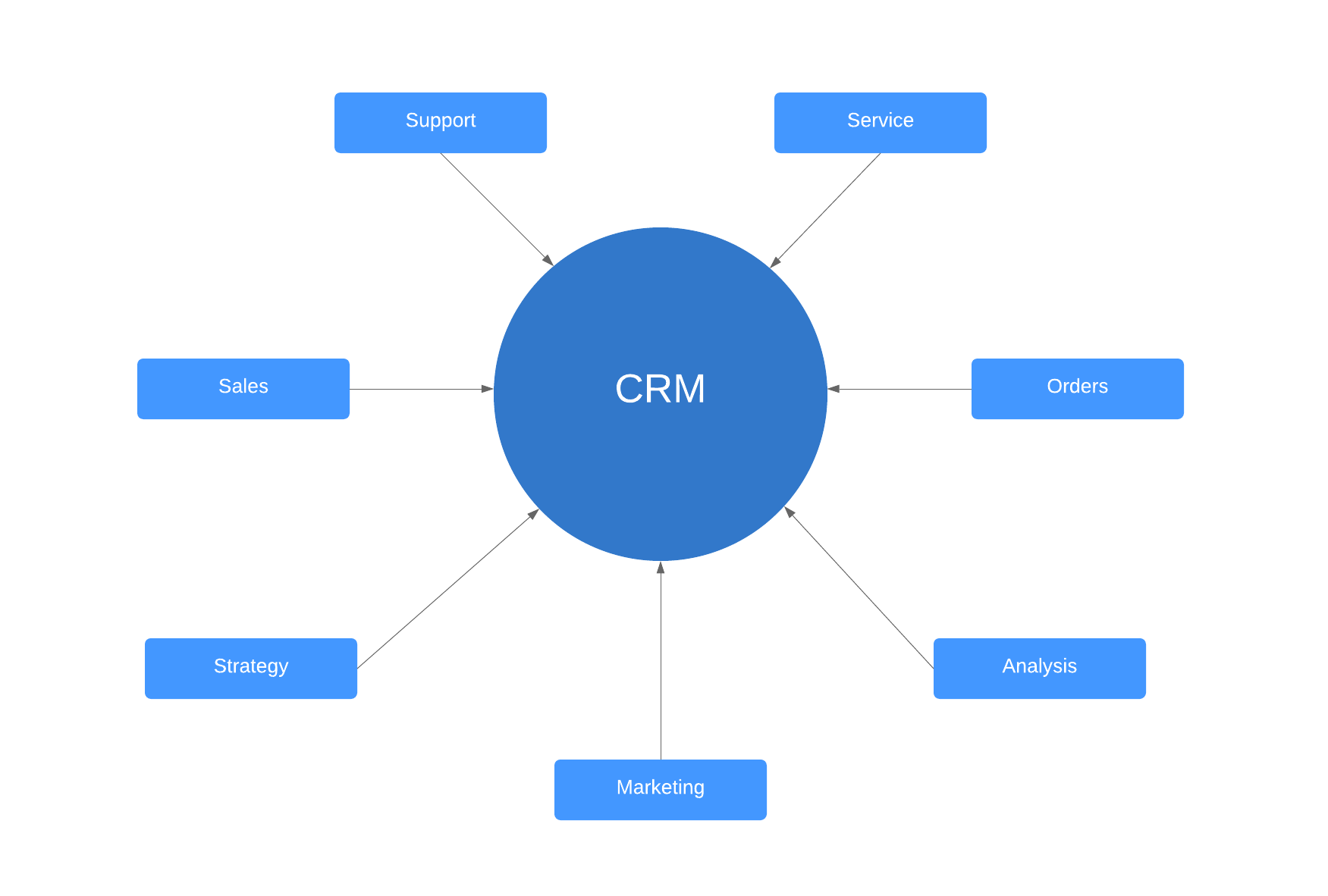
Enterprise CRM solutions refer to customer relationship management software designed specifically for large businesses to manage interactions with customers and potential customers.
Key Features of Enterprise CRM Solutions
- Scalability to handle a large volume of customer data and interactions.
- Customization options to tailor the CRM system to the specific needs of the organization.
- Integration capabilities with other business systems for a seamless flow of information.
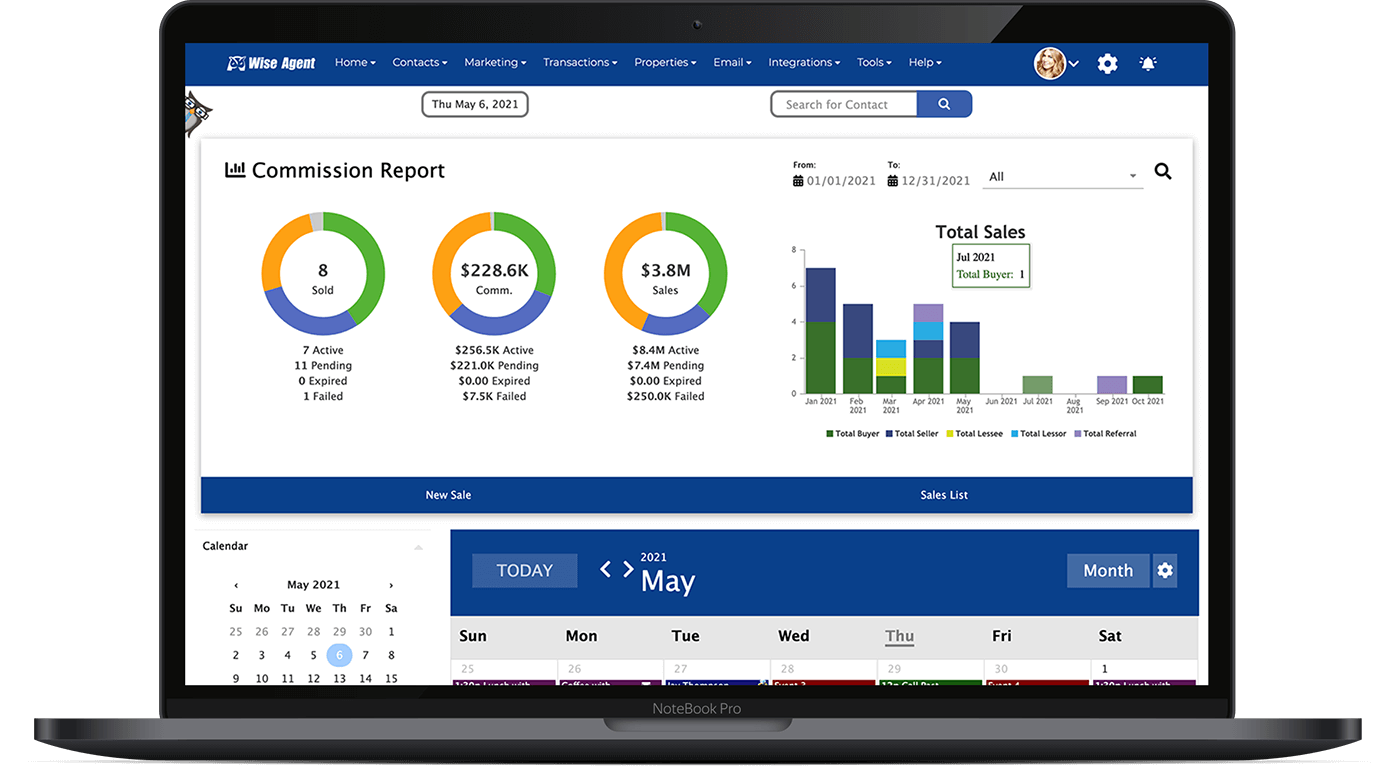
- Advanced analytics and reporting functionalities for data-driven decision-making.
Importance of Using Enterprise CRM Solutions for Large Businesses
Large businesses deal with a high volume of customers and data, making it essential to have a robust CRM system like Enterprise CRM solutions to effectively manage these interactions. The ability to track customer interactions, personalize communication, and analyze data is crucial for maintaining customer relationships and driving business growth.
Implementation Process of Enterprise CRM Solutions
- Assessing the organization’s needs and goals for implementing the CRM system.
- Selecting the right Enterprise CRM solution that aligns with the organization’s requirements.
- Customizing the CRM system to fit the business processes and workflows.
- Training employees on how to use the CRM system effectively.
Successful Companies Utilizing Enterprise CRM Solutions
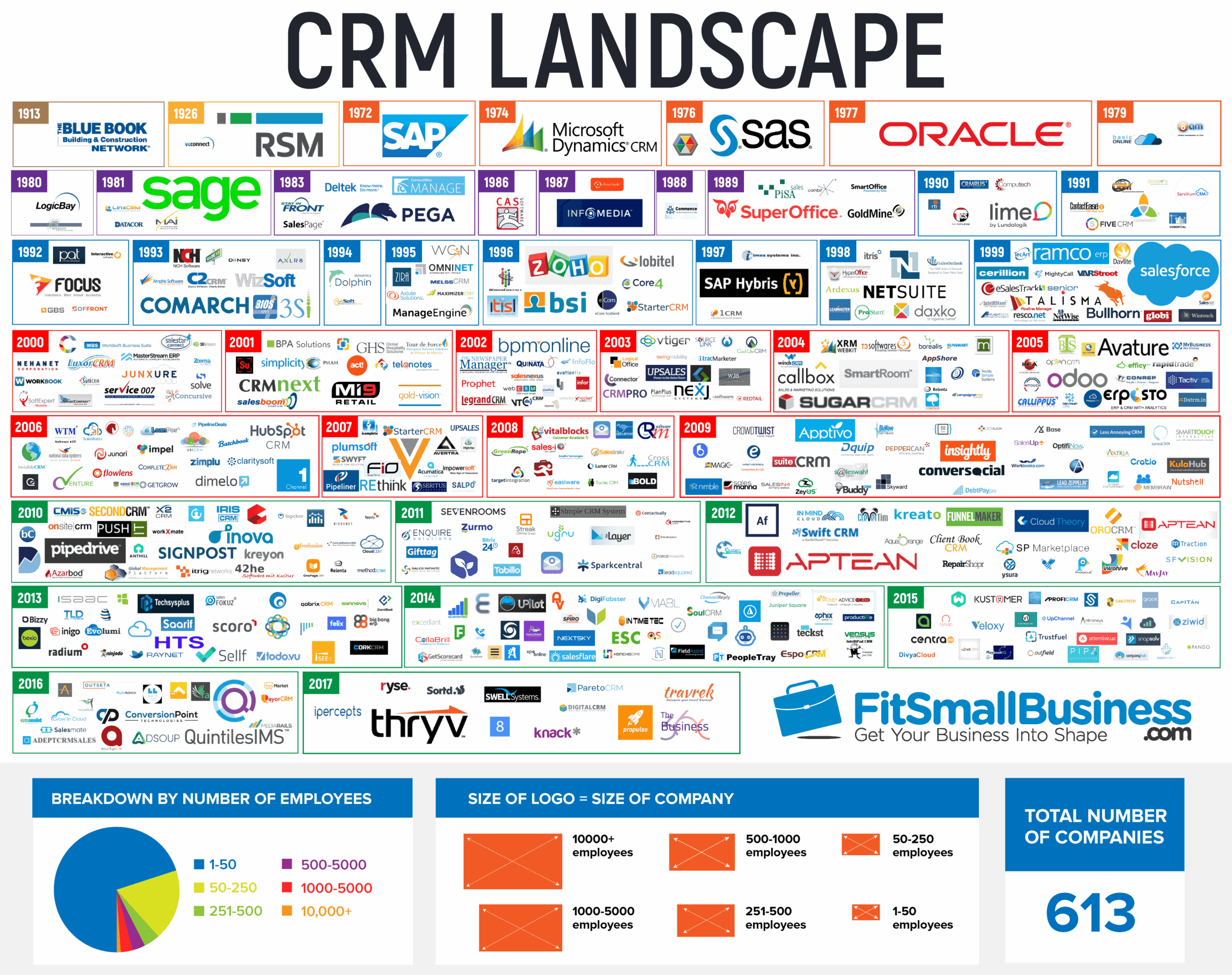
Companies like Salesforce, Oracle, and SAP have successfully implemented Enterprise CRM solutions to streamline their customer interactions, improve customer satisfaction, and drive revenue growth. These companies have seen benefits such as increased efficiency, better customer insights, and improved customer retention rates.
Top Features to Consider
When choosing the best Enterprise CRM solution for your business, it is crucial to consider the key features that will help streamline operations and enhance customer relationships. Let’s explore some of the essential features to look out for:
Customization Options
One important feature to consider is the level of customization the CRM solution offers. The ability to tailor the system to meet the specific needs and workflows of your business can greatly enhance efficiency and productivity.
Integration Capabilities
Another crucial feature is the integration capabilities of the CRM solution. Look for a system that can seamlessly integrate with other software applications used in your organization, such as marketing automation tools or accounting software.
Automation and Workflow Management
Efficient automation and workflow management features can help streamline business operations by automating repetitive tasks, tracking progress, and ensuring that processes are followed consistently.
Analytics and Reporting
The ability to generate detailed analytics and reports is essential for monitoring key performance metrics, gaining insights into customer behavior, and making data-driven decisions to improve business strategies.
Mobile Accessibility
In today’s fast-paced business environment, having mobile accessibility is crucial. Look for a CRM solution that offers mobile apps or responsive design to allow users to access important information and tools on the go.
Integration Capabilities
Integration capabilities play a crucial role in the effectiveness of Enterprise CRM solutions. These capabilities allow seamless communication between different software systems, enhancing efficiency and productivity within an organization.
Common Integrations
- Integration with Email Marketing Platforms: This enables the CRM system to sync customer information, preferences, and interactions with the email marketing platform for targeted campaigns.
- Integration with Accounting Software: Allows for streamlined invoicing, billing, and financial data management.
- Integration with E-commerce Platforms: Syncs customer orders, product information, and inventory data for a comprehensive view of customer interactions.
Improved Efficiency
Seamless integrations between Enterprise CRM solutions and other systems lead to improved efficiency by eliminating manual data entry, reducing errors, and providing a holistic view of customer interactions across various platforms.
Setting up Email Marketing Integration
- Access the CRM system’s settings and locate the integration tab.
- Choose the email marketing platform you wish to integrate with and enter the required credentials.
- Map the fields between the CRM system and the email marketing platform for data synchronization.
- Test the integration by sending a test email campaign from the CRM system.
Configuring Two-way Synchronization
- Identify the key data points to be synchronized between the CRM system and the customer support ticketing system.
- Set up a data mapping process to ensure consistency in data exchange between the two systems.
- Enable bi-directional synchronization to ensure that updates made in either system are reflected in real-time across both platforms.
- Monitor the synchronization process regularly to address any discrepancies or issues.
Pre-built vs. Custom-built Integrations
- Pre-built Integration Connectors: Offer quick setup and integration between popular software systems but may lack flexibility for unique business requirements.
- Custom-built Integrations: Tailored solutions that can address specific business needs and workflows but require more time and resources for development and maintenance.
Customization Options
Customization options play a crucial role in Enterprise CRM solutions as they allow businesses to tailor the software to their specific needs and requirements. This level of flexibility ensures that the CRM system aligns perfectly with the company’s unique processes and workflows, ultimately leading to improved efficiency and productivity.
Importance of Customization
Customization in Enterprise CRM solutions is essential to address the diverse needs of different businesses. By customizing the CRM software, companies can streamline their operations, enhance customer interactions, and gain a competitive edge in the market.
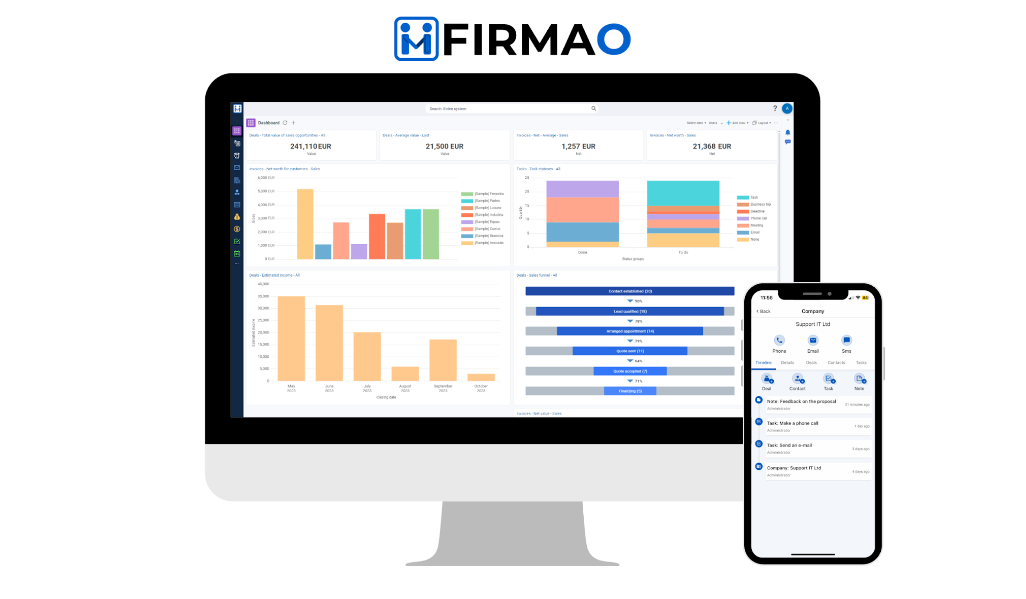
- Customized Dashboards: Businesses can create personalized dashboards that display relevant information and key metrics, enabling users to access critical data at a glance.
- Workflow Automation: Customization allows companies to automate repetitive tasks and workflows, saving time and reducing manual errors.
- Data Fields and Modules: Businesses can add custom fields and modules to capture specific information unique to their industry or business model.
Impact on User Adoption and Satisfaction
Customization significantly impacts user adoption and satisfaction within an organization. When employees can use a CRM system that is tailored to their needs, they are more likely to embrace the software and leverage its full potential.
- Increased Productivity: Customized CRM solutions enhance user experience, making it easier for employees to perform their tasks efficiently.
- Higher User Engagement: When users have the ability to customize their CRM interface, they feel more engaged and invested in the system.
- Improved Data Accuracy: Tailoring the CRM software to match specific data requirements ensures that information is entered correctly and consistently, leading to better data quality.
Scalability and Flexibility
Scalability and flexibility are crucial factors to consider when selecting an Enterprise CRM solution. As businesses grow and evolve, their CRM needs also change. Therefore, it is essential to choose a solution that can scale up to accommodate increasing data and user requirements, while also being flexible enough to adapt to new business processes and strategies.
Adapting to Changing Business Requirements
Scalable and flexible CRM solutions can easily adapt to changing business requirements by allowing for seamless integration of new modules or functionalities. For example, if a company expands its operations to new markets, a scalable CRM system can quickly incorporate additional customer data fields or localization features to support this growth.
Moreover, these solutions can also adjust to fluctuating user numbers and data volumes without compromising performance. This scalability ensures that the CRM system remains efficient and responsive even as the business expands.
Long-term Benefits
Choosing a CRM solution that is scalable and flexible offers long-term benefits for the business. It means that as the company grows, the CRM system can grow with it, providing continued support for evolving customer needs and business processes.
By investing in a scalable and flexible CRM solution from the start, businesses can avoid the need for costly migrations or system replacements down the line. This not only saves money but also ensures a smooth transition as the organization scales up its operations.
Security and Compliance
In the realm of Enterprise CRM solutions, ensuring robust security and compliance features is paramount to safeguard sensitive customer data and maintain trust with clients. Let’s delve into the significance of these aspects.
Importance of Security Measures
Security measures in Enterprise CRM solutions play a crucial role in protecting sensitive customer data from unauthorized access and cyber threats. By implementing encryption methods and access controls, organizations can ensure that data is securely stored and transmitted.
Compliance with Data Protection Regulations
Compliance with data protection regulations such as GDPR and CCPA is essential for organizations handling customer data. Adhering to these regulations not only protects customer privacy but also helps in avoiding hefty fines and legal repercussions.
Encryption Methods for Data Security
- Utilization of AES encryption algorithm to secure data at rest and in transit.
- Implementing SSL/TLS protocols for secure communication over networks.
- Using hashing algorithms like SHA-256 for data integrity verification.
Role of Access Controls
Access controls in CRM systems help in restricting unauthorized access to sensitive customer data. By setting up user roles, privileges, and authentication mechanisms, organizations can ensure that only authorized personnel can access and manipulate data.
Impact of Data Breaches
A data breach in CRM systems can have severe repercussions on customer trust and brand reputation. It can lead to loss of sensitive information, financial damages, and erosion of customer confidence. Therefore, implementing stringent security measures is crucial to prevent such incidents.
Conducting a Security Audit
- Performing regular security audits to identify vulnerabilities and gaps in the CRM system.
- Assessing access controls, encryption methods, and compliance with data protection regulations.
- Engaging third-party security experts to conduct penetration testing and vulnerability assessments.
User Interface and User Experience
User-friendly interfaces play a crucial role in Enterprise CRM solutions as they directly impact user productivity and satisfaction. A well-designed UI/UX can streamline processes, reduce learning curves, and ultimately enhance the overall user experience.
Importance of User-Friendly Interfaces
Intuitive design elements are essential in Enterprise CRM solutions to ensure that users can navigate the system effortlessly and efficiently. Some key reasons why user-friendly interfaces are important include:
- Enhanced productivity: A user-friendly interface can simplify complex workflows, allowing users to complete tasks more quickly and effectively.
- Improved user adoption: Intuitive design elements make it easier for users to understand and engage with the CRM system, leading to higher adoption rates.
- Reduced training time: With a user-friendly interface, new users can quickly grasp how to use the system, reducing the need for extensive training sessions.
Examples of Intuitive Design Elements
Some examples of intuitive design elements that can enhance user experience in Enterprise CRM solutions include:
- Clear and organized layout: Information should be presented in a logical and structured manner to help users easily locate the data they need.
- Consistent navigation: A consistent menu structure and navigation system across the CRM platform can help users move seamlessly between different sections.
- Interactive dashboards: Customizable dashboards that allow users to personalize their view and access key metrics at a glance can improve user engagement.
Increased User Productivity and Satisfaction
A well-designed UI/UX can significantly boost user productivity and satisfaction within an Enterprise CRM solution. By providing a user-friendly interface, organizations can empower their teams to work more efficiently, leading to increased user satisfaction and better overall performance.
Reporting and Analytics
Reporting and analytics play a crucial role in Enterprise CRM solutions by providing businesses with valuable insights derived from data. These insights enable businesses to make informed decisions, identify trends, and track performance effectively.
Types of Reports and Analytics Tools
- Standard Reports: These predefined reports offer basic insights into sales, marketing, and customer service metrics.
- Custom Reports: Businesses can create tailored reports based on specific requirements and key performance indicators.
- Real-time Analytics: Tools that provide instant access to data and insights, allowing for quick decision-making.
- Predictive Analytics: Utilizing historical data to forecast future trends and outcomes, helping businesses anticipate customer needs and behavior.
- Interactive Dashboards: Visual representations of data that facilitate easy monitoring and analysis of key metrics.
Mobile Accessibility
Mobile accessibility plays a crucial role in modern Enterprise CRM solutions, allowing employees to access customer data and manage relationships on-the-go. This flexibility enhances productivity and responsiveness, especially for remote workers and sales teams in the field.
Benefits of Mobile CRM Applications
- Real-time access to customer information
- Increased collaboration among team members
- Improved customer service and faster response times
Key Features of User-friendly CRM Mobile Applications
- Intuitive interface for easy navigation
- Offline access to data for remote locations
- Seamless synchronization with desktop CRM platforms
Customizing a Mobile CRM Application
To customize a mobile CRM application for specific business needs:
- Identify key functionalities required for the mobile platform
- Configure user permissions and access levels
- Create custom fields and workflows tailored to business processes
Security Measures for Mobile CRM Solutions
Implementing robust security measures is essential to protect sensitive customer data in mobile CRM solutions. This can include:
- Encryption of data transmission
- Two-factor authentication for user access
- Remote wipe capabilities for lost or stolen devices
Case Study: Improved Customer Relationships
Company X implemented a mobile CRM solution, enabling their sales team to access customer information in real-time during client meetings. This led to personalized interactions, proactive follow-ups, and ultimately, increased customer satisfaction and loyalty.
Customer Support and Training
Robust customer support and training options are crucial for the successful implementation and utilization of Enterprise CRM solutions. Effective support channels and training resources provided by CRM vendors can greatly enhance user adoption and satisfaction.
Importance of Customer Support and Training
Customer support and training play a vital role in ensuring that users are able to effectively utilize CRM solutions to their full potential. Proactive support can address issues promptly and provide guidance, leading to a smoother user experience.
- 24/7 online chat support
- Comprehensive video tutorials
- Regular webinars and training sessions
Creating a Comprehensive Support Strategy
To create a comprehensive customer support strategy for a new CRM implementation, it is essential to establish clear communication channels, provide timely responses to queries, and offer a variety of support options to cater to different user needs.
Self-Service vs. Personalized Support
While self-service support options empower users to troubleshoot issues independently, personalized support services can offer tailored solutions and guidance to address specific user challenges. A combination of both can provide a well-rounded support experience for CRM users.
Role of Ongoing Training Programs
Ongoing training programs are instrumental in maximizing the value derived from CRM software. Regular training sessions can keep users updated on new features and functionalities, ensuring that they make the most out of the CRM system.
Setting Up a Knowledge Base
Creating a knowledge base for customers to troubleshoot common CRM issues independently can significantly reduce the dependency on support teams. This empowers users to find solutions quickly and efficiently, enhancing their overall experience with the CRM solution.
Feedback Loops in Customer Support
Feedback loops in customer support are essential for continuous improvement in CRM user experience. By actively seeking feedback from users and addressing their concerns, CRM vendors can enhance their support services and refine their software to better meet user needs.
Pricing and Value
In the world of Enterprise CRM solutions, pricing plays a crucial role in determining the value that a business can derive from such software. Understanding the pricing models commonly used by CRM solution providers and evaluating the overall value they offer is essential for making an informed decision.
Pricing Models
- Subscription-Based Pricing: Many Enterprise CRM solutions offer a subscription-based pricing model, where businesses pay a monthly or annual fee for using the software. This model often includes different tiers with varying features and capabilities.
- Per-User Pricing: Some CRM solutions charge based on the number of users accessing the system. This pricing model can be beneficial for businesses with a smaller team or those looking for a more scalable option.
- Custom Pricing: Certain CRM providers offer custom pricing based on the specific needs and requirements of a business. This tailored approach can be advantageous for organizations with unique demands.
Value Proposition
- Feature Set: When comparing CRM solutions, it’s essential to evaluate the features and functionalities offered in relation to the pricing. A solution with a comprehensive feature set that aligns with the business requirements may offer higher value.
- Scalability: The ability of a CRM solution to scale with the growth of a business is a key factor in determining its value. A system that can adapt to changing needs without significant cost implications provides long-term value.
- Integration Capabilities: CRM solutions that seamlessly integrate with other business applications and tools can enhance operational efficiency and provide additional value beyond the core features.
Evaluating Overall Value
- Consider Total Cost of Ownership: Beyond the initial pricing, it’s crucial to factor in the total cost of ownership, including implementation, training, customization, and ongoing support costs, to determine the true value of an Enterprise CRM solution.
- ROI Potential: Assessing the potential return on investment (ROI) that a CRM solution can deliver in terms of increased productivity, efficiency, customer satisfaction, and revenue generation is essential for evaluating its overall value to the business.
- User Feedback and Reviews: Gathering insights from existing users, reading reviews, and seeking recommendations can provide valuable information on the real-world value and effectiveness of a CRM solution.
Case Studies and Success Stories
In this section, we will explore real-world examples of businesses that have successfully implemented Enterprise CRM solutions and delve into the benefits and outcomes they have experienced. These case studies will serve as inspiration for businesses considering CRM adoption and provide a comparative analysis of different CRM solutions based on the success stories presented.
Case Study 1: Company A
Company A, a medium-sized retail chain, implemented an Enterprise CRM solution to streamline customer interactions and improve sales processes. By integrating their CRM with their e-commerce platform, they were able to track customer preferences and buying behavior more effectively. As a result, they saw a 20% increase in customer retention and a 15% boost in overall sales within the first year of implementation.
Case Study 2: Company B
Company B, a large manufacturing company, adopted a customized Enterprise CRM solution to manage their extensive client base and improve communication across departments. The CRM enabled them to centralize customer data, leading to a 30% reduction in response time to customer inquiries and a 25% increase in cross-selling opportunities. This resulted in a significant improvement in customer satisfaction and loyalty.
Key Metrics and KPIs
– Customer Retention Rate: Company A successfully increased customer retention by 20% after implementing the CRM solution.
– Sales Growth: Both Company A and Company B experienced significant growth in sales after implementing their respective CRM solutions.
– Response Time: Company B achieved a 30% reduction in response time to customer inquiries, leading to improved customer satisfaction.
– Cross-selling Opportunities: Company B saw a 25% increase in cross-selling opportunities, resulting in higher revenue generation.
Future Trends in Enterprise CRM
The future of Enterprise CRM is constantly evolving with new technologies and strategies shaping the way businesses interact with their customers. Let’s explore some key trends that are expected to drive innovation in the coming years.
Role of Blockchain Technology
Blockchain technology is revolutionizing data security and transparency in Enterprise CRM systems. By providing a secure and decentralized platform for storing customer information, blockchain ensures that data is tamper-proof and easily auditable. This helps organizations build trust with their customers and comply with data privacy regulations more effectively.
Personalized Customer Experiences
Personalization is becoming increasingly important in large enterprises as they strive to retain and build loyalty with their customers. By leveraging customer data and analytics, Enterprise CRM systems can deliver highly personalized experiences that cater to the unique needs and preferences of each individual. This personalized approach not only enhances customer satisfaction but also drives repeat business and brand advocacy.
Integration of Internet of Things (IoT) Devices
The integration of IoT devices in Enterprise CRM allows for real-time data collection and analysis, enabling organizations to gain deeper insights into customer behavior and preferences. By connecting IoT devices such as wearables, smart appliances, and sensors to CRM systems, businesses can deliver more proactive and contextually relevant interactions with their customers, leading to improved customer engagement and loyalty.
Importance of Omnichannel Communication Strategies
Omnichannel communication strategies are essential in modern Enterprise CRM solutions to provide a seamless and consistent customer experience across all touchpoints. By integrating multiple communication channels such as email, social media, chat, and phone, organizations can engage with customers in a more personalized and timely manner, fostering stronger relationships and driving customer loyalty.
Implementation of Machine Learning Algorithms
Machine learning algorithms are increasingly being used in Enterprise CRM for predictive analytics to optimize operations and enhance customer interactions. By analyzing large volumes of data, machine learning algorithms can identify patterns and trends that help organizations anticipate customer needs, personalize marketing campaigns, and automate routine tasks. This leads to more efficient and effective CRM operations for large organizations.
Wrap-Up
In conclusion, Best Enterprise CRM Solutions provide a powerful toolkit for companies looking to optimize their customer relationship management strategies. By incorporating top features, seamless integrations, and robust security measures, these solutions pave the way for long-term success and growth.
